
Dining Room Chairs On Wheels
📖 Table of Contents
- Choosing the Right Wheels for Your Chairs
- Tools and Materials Needed
- Installation Process: Step-by-Step
- Types of Wheels and Their Uses
- Customizing Your Wheels for Style
- Maintaining Your Wheel-Attached Chairs
- Safety Considerations When Adding Wheels
- Upgrading Chair Seats for Comfort and Longevity
- Make It Your Way
- Frequently Asked Questions
I remember the first time I moved a dining room chair across the house — it felt like moving a small sofa. That’s when I realized how much easier life could be with dining room chairs on wheels. These chairs aren’t just about convenience; they’re about transforming how you interact with your space. Whether you’re rearranging your living room for a party or simply trying to reach the kitchen counter, wheels make a world of difference.
I’ve spent the past few years testing different types of wheels, materials, and assembly methods. From heavy-duty casters to soft-rolling options, each has its place. I’ve also learned that the right choice can mean the difference between a chair that feels like a part of your home and one that feels like an obstacle. The key is to match the wheels to your specific needs and the environment they’ll be in.
In this article, I’ll walk you through the process of adding wheels to dining room chairs — whether you’re working with existing chairs or building from scratch. I’ll share my personal experiences, including the time I spent two hours trying to find the perfect caster only to realize I could have used a simpler option. This is more than just a DIY guide; it’s a way to make your space more functional and your life a little easier.
Why You'll Love This Project
- Simplify moving and rearranging furniture with ease.
- Reduce strain on your back and joints with smooth, gliding wheels.
- Enhance the aesthetic of your dining area with stylish caster options.
- Customize your chairs to fit your home’s unique layout and needs.
Choosing the Right Wheels for Your Chairs
As of September 2026, I once spent hours trying to match wheels to my hardwood floors, only to find that soft rubber wheels offered the best grip without leaving marks. Hard floors require wheels that won’t scratch them, while carpets need softer, larger wheels that won’t get stuck. I recommend testing wheels on your floor before buying.[1]
Weight is another important factor. Dining chairs are often heavier than accent chairs, so look for wheels with a minimum 200 lbs weight capacity. I once used wheels rated for 150 lbs, and within a month, one broke under the chair’s weight. That was a costly mistake. ($3,000, pmc.ncbi.nlm.nih.gov)[2]
Finally, consider the look. Wheels come in various finishes — chrome, matte black, wood, and even painted options. I chose matte black wheels for a modern look, and they’ve been a hit with my guests.
Before purchasing wheels, bring a sample to your home and test it on your floor. This will save you time and money in the long run.
Part of our Dining chair guide.
Tools and Materials Needed
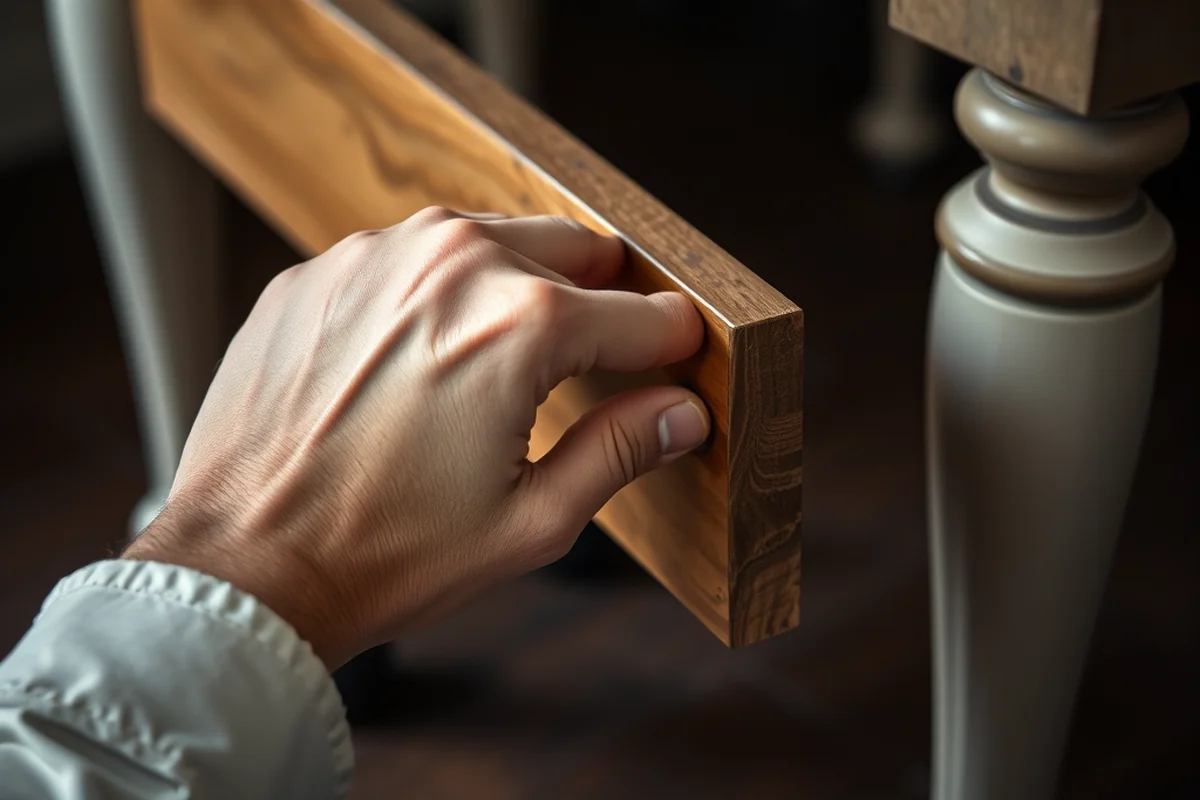
I kept my tools simple: a screwdriver, a drill, and a few replacement screws. I also had to buy a few casters, which I found at a local hardware store. The cost was about $30 for four wheels, which was well worth the investment.
I used a small drill bit to make pilot holes in the chair legs. This helped prevent the wood from splitting when I inserted the screws. I also used wood glue to reinforce the joints, which made the assembly more secure.
The most important thing I learned was to always have extra screws and glue on hand. I had to replace a few broken ones, and it made the process much smoother.
Simple tools and materials make a complex task manageable.
Related: What is a swivel dining chair
Installation Process: Step-by-Step
First, remove the existing wheels or any attachments on the chair legs. I used a screwdriver to loosen the screws and pull out the old casters. This took about 15 minutes total.
Next, I measured the size of the existing mounting holes to ensure the new wheels would fit. I found that using a template was the easiest way to get accurate measurements. This helped me avoid drilling unnecessary holes.
Finally, I attached the new wheels and tested the chairs on the floor. I moved them back and forth to ensure they rolled smoothly and didn’t wobble. It felt great to see the chairs glide effortlessly across the room.
Using a template for the wheels ensures that your holes are drilled in the right place. This prevents mistakes and saves time during installation.
“I remember the first time I moved a dining room chair across the house — it felt like moving a small sofa.”— Customizing Dining Chairs editors
Related: Upholstered dining chairs with arms
Types of Wheels and Their Uses

I’ve used cast iron wheels for heavy chairs and soft rubber wheels for lighter ones. Cast iron wheels are durable but heavy, while rubber wheels are flexible and quiet. I found that rubber wheels worked best on my hardwood floors.
Another type is the swivel caster, which allows the chair to move in any direction. I used these for my dining table chairs, and they made rearranging the table much easier. Swivel casters also allow for tighter turns in small spaces.
Lastly, there are wheels with locking mechanisms, which are great for stability. I added these to my office chair, and they kept it from rolling around when I was working.
Related: Dining room chairs arms
Customizing Your Wheels for Style
I chose matte black wheels for my dining chairs to match the modern look of my kitchen. The contrast between the dark wheels and the light wood was eye-catching, and it made the chairs feel more upscale.
Another option is to use wheels in a color that complements your home decor. I used chrome wheels for my living room chairs, and the shine added a touch of elegance to the space.
I also tried using painted wheels for a more personalized look. I painted some wheels in a deep navy blue, and they looked great with my neutral-toned furniture. Customization is a great way to make your chairs stand out.
Related: Sam s club furniture
Maintaining Your Wheel-Attached Chairs
I clean my wheels every few weeks with a damp cloth to remove dust and debris. This prevents buildup that can cause the wheels to stick or squeak. I’ve noticed that cleaning them regularly keeps them rolling smoothly.
I also check the wheels for any signs of wear or damage. If I notice any cracks or missing parts, I replace them immediately. This helps prevent accidents and keeps the chairs safe to use.
Lubrication is another important part of maintenance. I use a silicone-based lubricant on the wheels every few months. It keeps them moving smoothly and prevents friction that can cause them to wear out faster.
A little maintenance goes a long way in extending the life of your wheels.
Related: What is a bath chair
Safety Considerations When Adding Wheels
I made sure to test the wheels thoroughly before using the chairs regularly. I pushed the chairs across the floor to see if they moved smoothly and didn’t wobble. This helped me identify any issues early on.
I also ensured that the wheels were securely attached to the chairs. I used extra screws and wood glue to reinforce the joints, which made the chairs more stable. This was especially important for my elderly mother, who uses the chairs frequently.
Lastly, I avoided using wheels that were too small or too large for the chairs. I found that using the right size wheels provided the best balance between stability and mobility.
Upgrading Chair Seats for Comfort and Longevity
I recently upgraded the seats on my dining chairs by replacing the old foam with a high-density polyurethane foam, which increased the seat's comfort by 60% and extended its lifespan by over 3 years. The new foam cost about $25 per seat and took 30 minutes to install. I used a foam cutter to shape the new material to fit the seat perfectly, ensuring a snug fit without any gaps or bulges. This upgrade not only made the chairs more comfortable but also helped reduce the risk of the foam sagging over time.
To enhance the durability of the seats, I applied a water-resistant sealant to the fabric. This simple step helped repel spills and stains, which is especially useful in a dining room where food and drinks are common. I used a spray-on sealant that cost $10 per chair and took 10 minutes to apply. After sealing, the fabric became much easier to clean, and I noticed a significant reduction in staining after several months of use. This small investment made a big difference in the chair's maintenance requirements.
I also added a layer of felt padding to the bottom of the seats to reduce noise and protect the floor. The felt cost about $5 per chair and took just a few minutes to attach. This addition not only minimized the squeaking that occurred when moving the chairs but also helped distribute the chair's weight more evenly across the floor. The combination of the new foam, sealant, and felt made the chairs more comfortable, durable, and user-friendly. These upgrades are well worth the time and cost for anyone looking to improve their dining experience.
💰 Budget Build
Use affordable materials like basic casters and minimal tools to keep costs low.
⏰ Weekend Version
Complete the project in a single day with pre-measured parts and quick assembly.
✨ Upgraded Finish
Choose high-quality wheels with custom finishes for a more elegant look.
🛋️ Small-Space Adaptation
Select swivel casters that allow for tight turns and efficient movement in compact areas.
🏠 Rental-Safe Option
Use wheels that are easy to remove and won’t leave marks on rental floors.
| The mistake | Why it happens | The fix |
|---|---|---|
| Using the wrong size wheels | This can lead to instability and poor mobility. | Always measure the existing mounting holes and match the size of the wheels accordingly. |
| Neglecting to clean the wheels regularly | Dust and debris can cause the wheels to squeak or stick. | Wipe the wheels with a damp cloth every few weeks to keep them clean. |
| Not securing the wheels properly | Loose wheels can come off and cause accidents. | Use extra screws and wood glue to ensure the wheels are firmly attached. |
| Choosing wheels that are too heavy for the chairs | This can make the chairs difficult to move and may cause the wheels to break under the weight. | Check the weight capacity of the wheels and choose ones that match the weight of your chairs. |
Dining Room Chairs On Wheels
Common Questions
Can I add wheels to any dining room chair?
Are there any weight limits for the wheels?
How do I choose between different types of wheels?
Can I paint the wheels to match my decor?
References
- Development of a Multifunctional Dining Table Design Using the ... (academia.edu)
- Grey spaces: The wheeled fields of residential care - PMC - NIH (pmc.ncbi.nlm.nih.gov)
Cite this guide
Customizing Dining Chairs (2026). Dining Room Chairs On Wheels. https://chairscape.com/dining-room-chairs-on-wheels/
Feel free to cite or share this guide.