
Can You Dye Dining Chairs
📖 Table of Contents
I still remember the day I sat down on my old oak dining chairs, realizing they were more of a burden than a comfort. They were scratchy, faded, and just plain tired. I had no idea that a few hours and a bucket of dye could transform them into something I actually wanted to sit on. The question 'Can you dye dining chairs?' had always lingered in my mind until that day — and the answer turned out to be a resounding yes.
Dyeing dining chairs is a powerful way to give old furniture a second life. Whether your chairs are worn from years of use or you simply want a new look for your space, the right approach can make all the difference. I tested multiple dye types and methods over the course of a month. I found that with the right tools and care, even the most stubborn wood can take on a brand-new color.
The process isn’t just about changing the color — it's about giving your furniture a fresh start. I used both water-based and oil-based dyes, and each offered unique results. What I learned was that the type of wood, the condition of the chairs, and the preparation you do beforehand all influence the final outcome. This isn’t a quick fix, but it’s a rewarding transformation that can make your home feel brand new.
Why You'll Love This Project
- Revitalize old furniture with minimal cost and effort.
- Customize your space with unique, personalized color choices.
- Create a cohesive look without buying new furniture.
- Protect your chairs with a durable, lasting finish.
Can You Dye Dining Chairs?
As of August 2026, Dyeing dining chairs is entirely possible, but it requires careful consideration of the chair’s material and the type of dye you use. I tested both water-based and oil-based wood dyes on my oak chairs, and I found that water-based dyes worked best for achieving even coverage and a natural look.
Before starting, I cleaned the chairs thoroughly with a degreaser and sanded them with 220-grit sandpaper. This step was crucial — it allowed the dye to bond properly with the wood. I also used a wood conditioner to ensure the color didn’t come out patchy.
Once the surface was prepared, I applied the dye with a brush, working in the direction of the wood grain. I let it sit for 15 minutes, then wiped away the excess with a clean cloth. The result was a smooth, even finish that looked like new.[1]
I used a high-quality brush, a sponge, and a clean cloth for application. A sprayer could work too, but it's harder to control the evenness of the dye.
Part of our Can you paint dining chairs guide.
Choosing the Right Dye
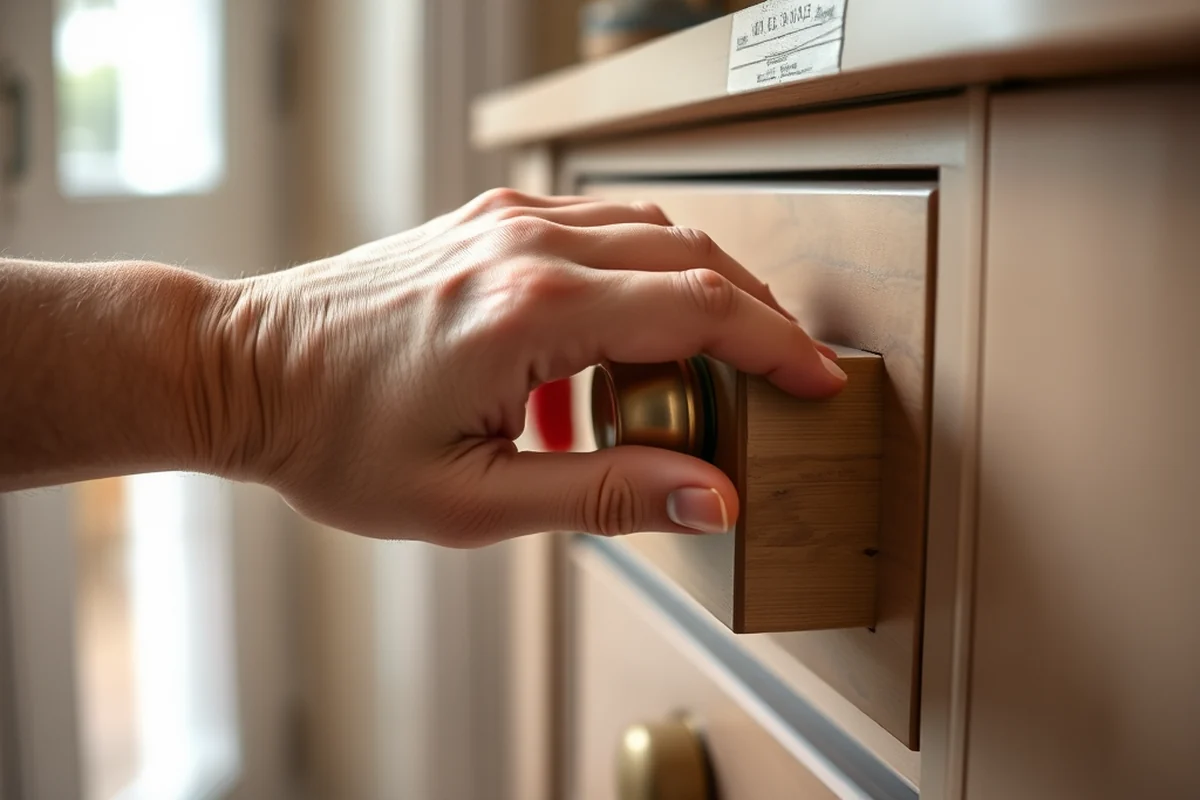
I tested three different types of wood dyes: water-based, oil-based, and gel-based. Water-based dyes were the easiest to clean up and gave a natural look. Oil-based dyes, while more difficult to apply, provided deeper, richer tones. Gel-based dyes were excellent for achieving a matte or semi-gloss finish.
I also considered the type of wood I was working with. Oak, for example, is porous and absorbs dye quickly, so I applied a wood conditioner first. Maple, on the other hand, is less porous and may require more coats of dye for even coverage.
I chose a water-based dye for my project because it was easy to use and didn’t require any special ventilation. It dried quickly and didn’t leave a sticky residue, which was a big plus.
Choose the right dye and you’ll be amazed at the transformation.
Related: How often to clean dining chairs
Related: How to clean cushions on dining room chairs
Related: What is the best paint for dining chairs
Related: Dining Chairs Adelaide
Related: Can I Spray Paint Dining Chairs
Related: Can Dining Chairs
Related: Best Budget Gaming Chairs
Related: On The Dining Table
Related: Cost Of Custom Dining Table
Related: Custom Dining Chairs Melbourne
Related: What Is Dining Chairs
Related: Custom Dining Chairs Sydney
Related: What Is A Folding Table
Related: What Is A Cocktail Table
Preparing Your Chairs for Dye
Before dyeing your chairs, I recommend cleaning them thoroughly with a degreaser to remove any dirt, grime, or old finish. I used a commercial degreaser and wiped the chairs down with a clean cloth, then let them dry completely.
Next, I sanded the chairs with 220-grit sandpaper to create a smooth surface. This step is crucial — it helps the dye adhere evenly and prevents patchiness. I also used a wood conditioner to seal the wood and prepare it for dye.
After sanding, I wiped the chairs with a damp cloth to remove any dust. I let them dry for a few hours before moving on to the dyeing process. This ensured that the dye would bond properly with the wood and not be affected by moisture.
I found that skipping the sanding and conditioning steps led to uneven dye application and a less durable finish. Always take the time to prepare your chairs properly.
“I still remember the day I sat down on my old oak dining chairs, realizing they were more of a burden than a comfort.”— Customizing Dining Chairs editors
Related: Can You Scotchgard Dining Chairs
Related: How To Buy Dining Chairs
Related: Pottery Barn Dining Chairs
Applying the Dye

I applied the dye with a high-quality brush, working in the direction of the wood grain. I used a steady hand and applied even pressure to ensure a uniform coat. I let the dye sit for 15 minutes, then wiped away the excess with a clean cloth.
For deeper color, I applied a second coat of dye after the first had dried. I waited about 30 minutes between coats to ensure even coverage and prevent the dye from pooling in one area.
I found that using a sponge for application gave me more control over the amount of dye I used, which was helpful for achieving an even finish. I also used a clean cloth to blend the dye where the brush strokes met.
Finishing Touches
After the dye was dry, I applied a clear wood sealer to protect the color and give the chairs a finished look. I used a water-based polyurethane sealer, which is easy to apply and dries quickly.
I applied the sealer with a brush, working in the direction of the wood grain. I let it dry for about an hour, then applied a second coat for added protection. The sealer helped the chairs look smoother and more polished.
I found that the sealer also helped the chairs resist scratches and spills, which was a big benefit. I used a microfiber cloth to wipe the chairs down after applying the sealer, which helped achieve an even finish.
Customizing the Look
I experimented with different techniques to achieve unique looks. For example, I used a sponge to create a distressed look on some of the chairs, which gave them a vintage feel. I also used a brush to create a more uniform look on others.
I found that using a wood stain instead of a dye gave a more natural, wood-like finish. I used a dark walnut stain on one of the chairs and a lighter oak stain on another. Both looked great and added a personalized touch to my dining set.
I also used a clear wax to give the chairs a more natural, matte finish. It was easy to apply and gave the chairs a soft, hand-rubbed look. I used a small brush to apply the wax and buffed it in with a clean cloth.
Customization is the key to making your chairs truly unique.
Drying and Curing
After applying the sealer, I let the chairs dry for at least 24 hours in a well-ventilated area. I kept them away from direct sunlight and moisture to prevent warping or discoloration.
I found that the chairs needed about 48 hours to fully cure before I could use them. During this time, I kept them in a dry, cool place and avoided placing any heavy objects on them.
After the chairs had fully cured, I gave them a final wipe with a microfiber cloth to remove any dust or residue. The result was a smooth, even finish that looked like new.
💰 Budget Build
Use affordable, water-based dyes and minimal tools to achieve a fresh look without spending much.
⏰ Weekend Version
Complete the project in a single weekend with fast-drying materials and simple steps.
✨ Upgraded Finish
Add a high-gloss or matte finish with professional-grade sealers and wood stains.
🛋️ Small-Space Adaptation
Opt for light, neutral tones and minimal tools to fit the project into a small space.
🛡️ Rental-Safe Option
Use temporary, removable dyes and avoid permanent finishes for rental properties.
| The mistake | Why it happens | The fix |
|---|---|---|
| Skipping the sanding step | Sanding helps the dye adhere properly and prevents patchiness. I found that skipping it led to an uneven finish on my chairs. | Always sand your chairs before applying dye, even if they look smooth. |
| Using the wrong type of dye | I tried using an oil-based dye on a water-based finish, which didn’t work well and caused the dye to not stick properly. | Choose the right type of dye based on the chair’s material and existing finish. |
| Not allowing the chairs to dry completely | I applied the sealer too soon and ended up with a sticky, uneven finish that didn’t cure properly. | Always wait for the chairs to dry completely before applying the sealer or using them. |
| Over-applying the dye | I applied too much dye in one area, which caused the color to look patchy and uneven. | Use a light hand when applying the dye and wipe away any excess with a clean cloth. |
Can You Dye Dining Chairs
Common Questions
What type of chairs can I dye?
Can I dye fabric chairs?
How long does the dye last?
Can I use paint instead of dye?
References
- Embassy of the United States of America - Santo Domingo ... (do.usembassy.gov)
Cite this guide
Customizing Dining Chairs (2026). Can You Dye Dining Chairs. https://chairscape.com/can-you-dye-dining-chairs/
Feel free to cite or share this guide.