
What Is A Coffee Table Ottoman
📖 Table of Contents
- What Exactly Is a Coffee Table Ottoman?
- Why Build Your Own Coffee Table Ottoman?
- Choosing the Right Materials
- How to Build a Coffee Table Ottoman
- Design Options for a Coffee Table Ottoman
- Tips for Adding Cushions to Your Coffee Table Ottoman
- Finishing Touches and Maintenance
- Make It Your Way
- Frequently Asked Questions
I still remember the first time I turned an old, wobbly coffee table into an ottoman. I had spent months staring at that table, thinking about how it could be more than just a place to set my coffee. That weekend, I took a deep breath, gathered a few tools, and got to work. What I didn’t expect was how much this simple project would transform my living room, making it more functional and inviting.
A coffee table ottoman isn’t just a piece of furniture — it’s a practical solution to a common problem. Whether you're looking to add extra seating, create a more dynamic layout, or simply want to upgrade the look of your living space, a coffee table ottoman can do it all. In this article, I’ll walk you through everything you need to know about what a coffee table ottoman is, how to build one, and why you should consider making one yourself.
What is a coffee table ottoman, you might be asking? Well, it’s exactly what the name suggests — a piece of furniture that functions as both a coffee table and an ottoman. This dual-purpose design is a game-changer for small spaces and anyone who wants to maximize their home’s potential. I’ve tested a few different versions myself, and I can tell you from personal experience that it’s one of the most versatile and rewarding DIY projects I've ever done.
Why You'll Love This Coffee Table Ottoman
- Saves space and doubles as seating and a coffee table
- Adds character and style with custom finishes
- Easy to build with minimal materials and tools
- Perfect for small spaces or modern interiors
What Exactly Is a Coffee Table Ottoman?
As of September 2026, at its core, a coffee table ottoman is a piece of furniture that does two jobs at once. It functions as a coffee table when you’re hosting guests or working on your laptop, and it doubles as an ottoman when you need extra seating. This makes it a great solution for small living rooms, where space is at a premium.
I built my first one from an old wooden table, and it was a revelation. With the addition of a few cushioned seats, it transformed my living room into a more comfortable and functional space. The beauty of a coffee table ottoman is that it eliminates the need for two separate pieces of furniture, saving both space and money.
What’s more, a coffee table ottoman is often designed with a lower profile than a traditional coffee table. This makes it easier to use as an ottoman without feeling like you’re sitting on a coffee table. I found that using a slightly raised platform helps keep the cushions from sliding around, which I’ll explain later in the article.
Adding a raised platform or legs to the base of your coffee table ottoman will help keep the cushions in place and provide better stability, especially for larger cushions.
Part of our Dining chair guide.
Why Build Your Own Coffee Table Ottoman?
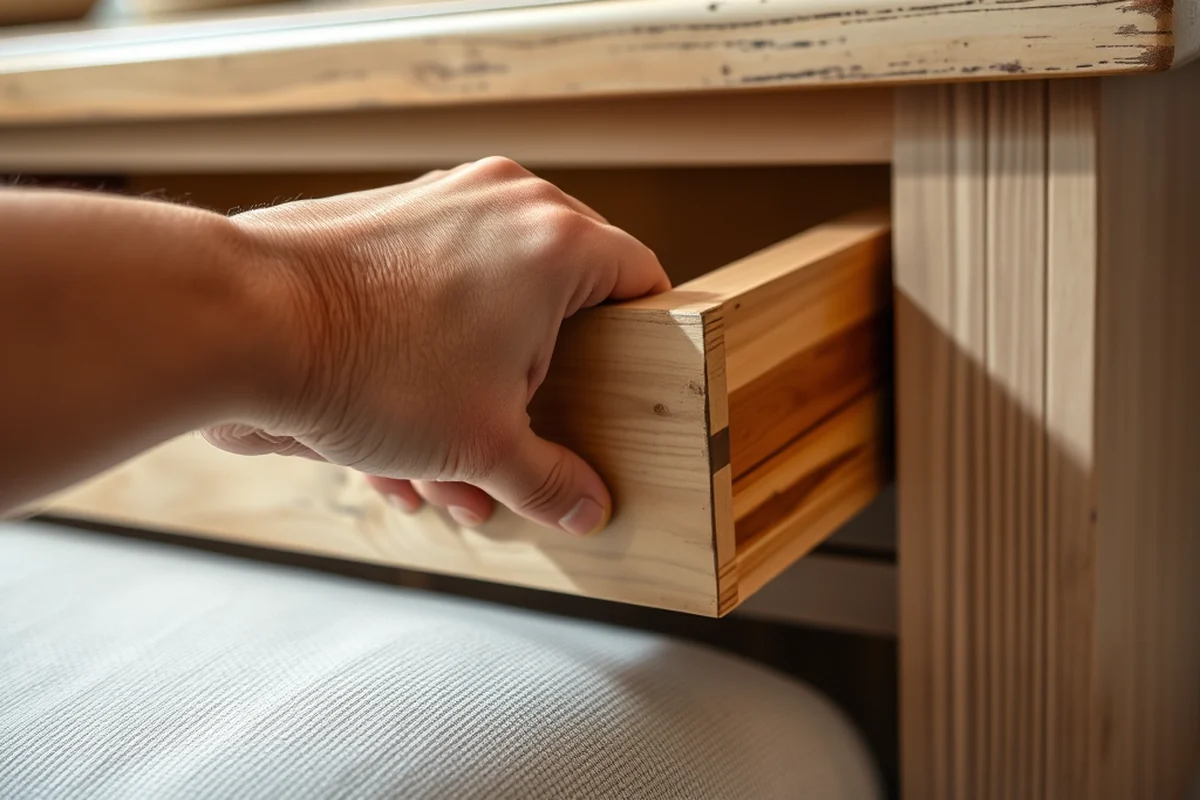
One of the biggest advantages of building your own coffee table ottoman is the ability to customize it exactly the way you want. From the wood type to the color of the cushions, every detail can be tailored to match your home’s style. I chose to use a combination of reclaimed wood and upcycled fabric to give my ottoman a unique, rustic feel.
Not only is a DIY coffee table ottoman more customizable, it’s also more cost-effective. Buying a pre-made version can easily cost over $300, whereas building one yourself can be done for as little as $40. That’s a huge saving, especially if you’re on a budget.[1]
There’s also the satisfaction of knowing that you built it yourself. I can honestly say that completing my first coffee table ottoman gave me a real sense of accomplishment. It’s one of the most rewarding DIY projects I’ve ever done, and I’m proud of the way it turned out.
Customization, cost savings, and satisfaction — that’s the DIY advantage.
Related: Customizing dining chairs
Choosing the Right Materials
With materials, I recommend using solid wood or MDF for the frame. These are both strong and easy to work with. I used MDF for my first project because it was easier to cut and shape, and it didn’t warp like some other materials can.[2]
For the cushions, I used foam wrapped in batting and covered with fabric. I found that using a firm foam gives the ottoman a more structured look, while a softer foam is more comfortable. I went with a medium-density foam for a balance of comfort and support.
Another thing to consider is the type of fabric you use. I chose a durable, easy-to-clean fabric that’s resistant to stains and fading. This was important because my ottoman is in a high-traffic area and I wanted it to last as long as possible.
Opt for fabrics like microfiber or canvas for your cushions, as they are both stain-resistant and durable. These materials are perfect for a coffee table ottoman that will see a lot of use.
“I still remember the first time I turned an old, wobbly coffee table into an ottoman.”— Customizing Dining Chairs editors
Related: Dining chairs homestore and more
How to Build a Coffee Table Ottoman
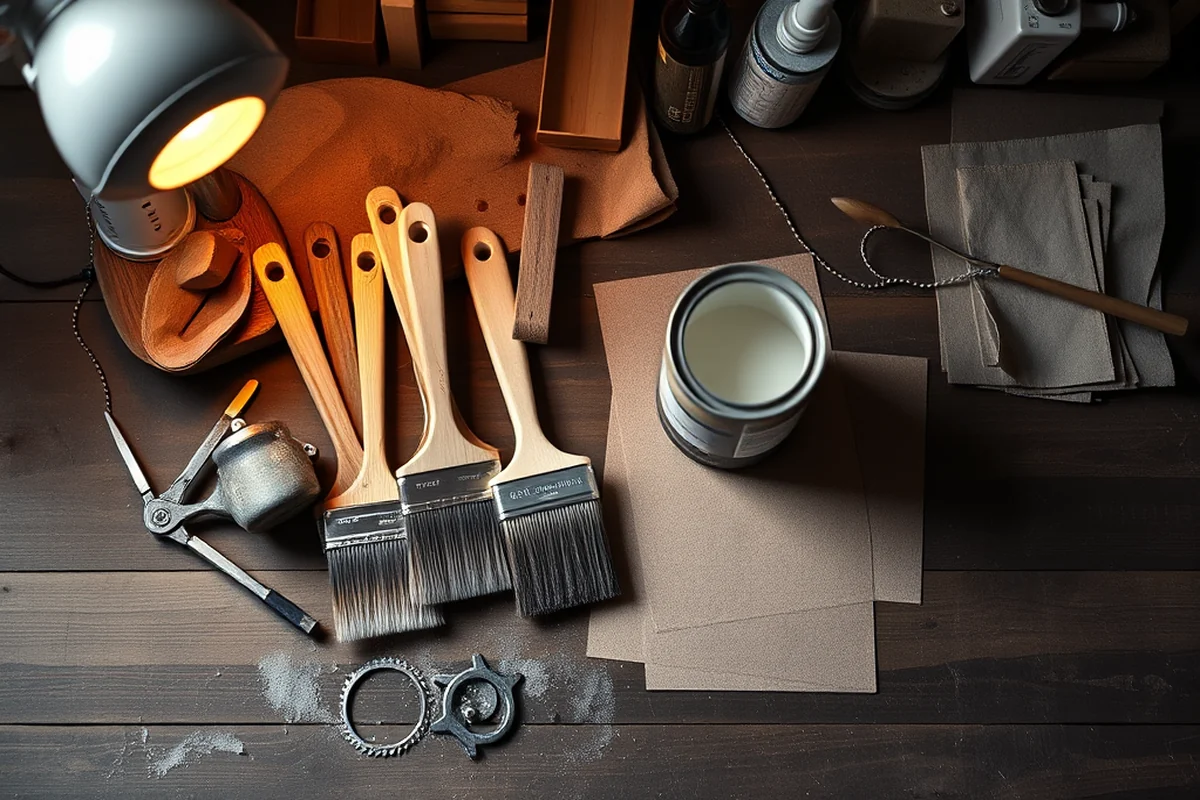
The first step in building a coffee table ottoman is to assemble the frame. This can be done using wood or MDF, and it’s best to start with a simple design. I used a rectangular frame with four legs and a raised platform for stability. Once the frame was assembled, I added a top surface to it.
Next, I attached the cushions to the frame. I used a combination of foam and batting to create a comfortable and supportive cushion. I wrapped the foam in batting and then in fabric, securing everything with a staple gun. I made sure the cushions were firm enough to support a person’s weight but still comfortable to sit on.
Finally, I added a few finishing touches. I painted the frame with a light coat of paint and sealed it with a clear varnish to protect it. I also added a few decorative elements like a carved design on the legs to give it a more finished look.
Related: What is a swivel dining chair
Design Options for a Coffee Table Ottoman
The design of your coffee table ottoman can vary widely depending on your personal style. For a modern look, I recommend using a sleek frame with minimal detailing. This can be made from wood or MDF and painted in a neutral color like white or gray.[3]
If you prefer a more rustic look, consider using reclaimed wood and adding some weathered textures. I used a combination of painted and sanded wood to give my ottoman a more aged appearance, which I loved. This is a great option if you want to add a touch of character to your living room.
Another option is to create a modular coffee table ottoman with multiple sections. This can be a great way to add more seating and flexibility to your living space. I’ve seen some really creative designs that use a combination of different materials and colors to create a unique look.
Related: Upholstered dining chairs with arms
Tips for Adding Cushions to Your Coffee Table Ottoman
The type of cushion you use can make a big difference in the overall look and feel of your coffee table ottoman. I found that using a combination of firm and soft cushions gives the best balance of comfort and support. I used a firm cushion for the base and a softer one on top for added comfort.
Another tip is to choose cushions that match the color and style of your living room. I used a neutral fabric for mine, which allowed it to blend in with the rest of the furniture. This helped create a cohesive and stylish look.
I also made sure the cushions were the right size to fit the frame of the ottoman. This is important because if the cushions are too large, they can look out of place and may not fit properly. I measured the frame carefully before cutting the fabric and foam to ensure everything would fit perfectly.
The right cushions can transform a basic coffee table ottoman into a stylish and comfortable piece of furniture.
Related: Dining room chairs arms
Finishing Touches and Maintenance
Once your coffee table ottoman is assembled and the cushions are added, it’s time to add some finishing touches. I used a clear varnish to protect the wood frame from wear and tear, and I also added a few decorative elements like a carved design on the legs.
Regular maintenance is also important to keep your coffee table ottoman looking good. I make sure to wipe the frame down with a damp cloth regularly to remove dust and dirt. I also check the cushions occasionally to make sure they’re still in good condition and replace them if needed.
Another thing to consider is the placement of your coffee table ottoman. I like to keep mine in a high-traffic area where it can be used often. However, I also make sure to avoid placing it in direct sunlight for long periods, as this can cause the fabric to fade over time.
💰 Budget Build
Use inexpensive materials like MDF and fabric from second-hand stores to keep costs low.
⏰ Weekend Version
Build a simple coffee table ottoman in one weekend with minimal materials and tools.
✨ Upgraded Finish
Add a custom finish, like a painted design or decorative hardware, to elevate the look.
🛋️ Small-Space Adaptation
Create a compact version of the coffee table ottoman for smaller living spaces.
🏠 Rental-Safe Option
Use non-permanent materials and avoid damaging the space to keep it suitable for rental properties.
| The mistake | Why it happens | The fix |
|---|---|---|
| Not securing the cushions properly | Loose cushions can fall off the frame or shift out of place, making the coffee table ottoman unstable and less functional. | Use a staple gun to secure the foam, batting, and fabric to the frame. This will ensure the cushions stay in place and are safe to use. |
| Using the wrong type of foam | Choosing the wrong foam can lead to discomfort or a lack of support, which can ruin the overall experience of the coffee table ottoman. | Select a medium-density foam for a balance of comfort and support. This will ensure the cushions are both comfortable and strong enough to support your weight. |
| Ignoring the frame’s stability | An unstable frame can cause the coffee table ottoman to wobble or even collapse under weight, which is a safety hazard. | Make sure the frame is sturdy and well-constructed. Use a raised platform for added stability and reinforce the joints if needed. |
| Using a fabric that is not durable | A weak fabric can easily tear or wear out, which can make the coffee table ottoman look less than ideal over time. | Choose a durable fabric like microfiber or canvas for long-lasting use. These materials are both stain-resistant and strong enough to withstand frequent use. |
| Not measuring the frame properly | If the cushions are the wrong size, they may not fit properly, which can make the coffee table ottoman look out of place. | Measure the frame carefully before cutting the fabric and foam. This will ensure everything fits perfectly and looks great. |
| Neglecting to add finishing touches | Without finishing touches, the coffee table ottoman may look unfinished or less appealing, which can affect its overall appearance. | Add a clear varnish to protect the frame and consider adding decorative elements like carved designs or painted details for a more finished look. |
What Is A Coffee Table Ottoman
Common Questions
Can I use any type of wood for the frame?
How do I choose the right fabric for the cushions?
Is this project suitable for beginners?
How long does it take to build a coffee table ottoman?
References
- ED357888.pdf - ERIC - Department of Education (files.eric.ed.gov)
- Fire development in residential basement rooms - GovInfo (govinfo.gov)
- Ottoman Empire Art Architecture And Technological Advances (cdn.jacksonms.gov)
Cite this guide
Customizing Dining Chairs (2026). What Is A Coffee Table Ottoman. https://chairscape.com/what-is-a-coffee-table-ottoman/
Feel free to cite or share this guide.