
The Magic Dining
📖 Table of Contents
I remember the first time I sat at my dining table and realized it wasn’t just a place to eat—it was a gathering point, a space where conversations happened, laughter echoed. Memories were made. That moment was the beginning of my journey with 'The Magic Dining,' a concept that transforms a basic dining setup into a personalized, inviting space. It wasn’t about buying the latest table from a catalog or hiring an interior designer. It was about taking what I had, adding a few thoughtful touches, and creating something that felt uniquely mine.[2]
What started as a simple attempt to make my dining area more comfortable quickly turned into a full-fledged project. I discovered how much impact a few well-chosen pieces of furniture, a new paint color, or even a custom chair cushion could have on the overall atmosphere of a room. The idea of 'The Magic Dining' became more than just a hobby—it turned into a passion, one that I now share with others who want to create a space that truly feels like home.[3]
If you've ever wondered how to make your dining room feel more special without breaking the bank, 'The Magic Dining' might just be the answer you're looking for. It's not about extravagance or complexity; it's about intentionality. By carefully selecting materials, experimenting with textures, and adding personal touches, you can create a dining area that's not only functional but also a source of joy and inspiration for years to come.[4]
Why You'll Love This ...
- Transform your dining room into a space that reflects your personality and style
- Create a more comfortable and inviting atmosphere with DIY upgrades
- Save money by customizing rather than buying new furniture
- Enjoy the satisfaction of building something that truly belongs to you
Choosing the Right Materials
As of October 2026, when I first started working on my dining chairs, I spent hours researching different materials like wood, metal, and fabric. I quickly realized that wood was the best choice for durability and warmth, but I also wanted to add some texture with a fabric cushion. I ended up using reclaimed wood for the frames and a soft, neutral fabric for the cushions to give the chairs a more welcoming feel.
I also considered the weight and stability of the materials. I chose a solid pine wood for the frames because it was sturdy and affordable. For the cushions, I went with a high-density foam covered in a woven fabric to ensure comfort and longevity. It was a small investment that made a big difference in the overall quality of the project.
After completing the chairs, I noticed how much more comfortable they were compared to the original ones. The combination of materials created a warm, inviting space that felt both functional and beautiful.
Reclaimed wood is a great option for DIY furniture projects. It's often more affordable than new wood and adds a unique character to your piece. I found my wood at a local hardware store and used it for the frames of my dining chairs, which gave them a rustic, yet elegant look.
Part of our Dining table guide.
The Power of Paint
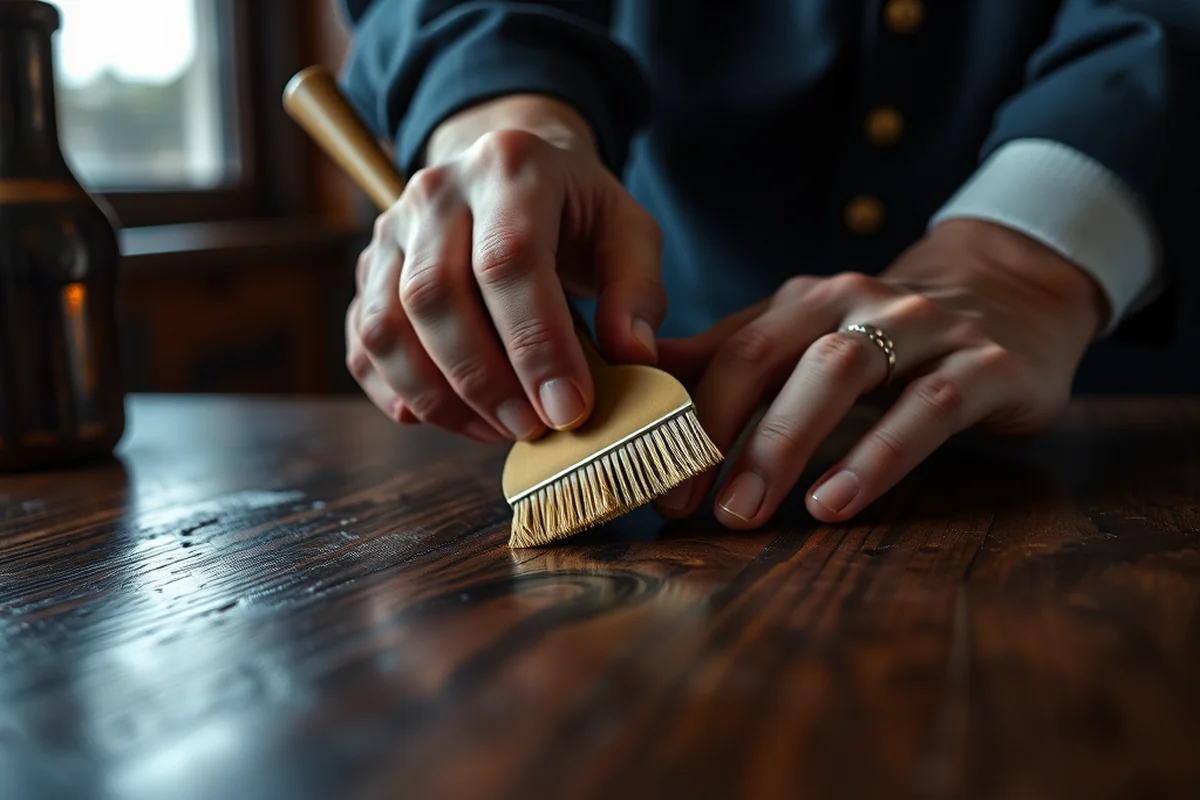
One of the first things I did was paint the legs of my dining table. I chose a deep navy blue, which added a bold contrast to the wood and gave the table a more modern appearance. The process was simple—just a few coats of paint and some sanding in between—and the results were stunning.
I also painted the frames of the chairs in a soft gray, which complemented the navy color of the table and created a cohesive look. The paint not only enhanced the visual appeal of the furniture but also protected the wood from wear and tear over time.
After painting, I noticed how much more polished and finished the furniture looked. The right color can make all the difference in the overall atmosphere of a room.
A fresh coat of paint can turn the ordinary into the extraordinary.
Related: Round dining tables for 4
Adding Personal Touches
I wanted to make sure that my dining space felt like it belonged to me, so I added a few personal touches like a handmade table runner and custom chair cushions. The table runner was made from a fabric I loved, and the cushions were sewn with my own design.
I also added some decorative elements like a set of handmade coasters and a few small vases with dried flowers. These little details made the space feel more lived-in and welcoming.
The result was a dining area that not only looked beautiful but also felt like it was made with care. Personal touches can make all the difference in how a space feels and functions.
When adding personal touches to your furniture, choose fabrics that you love and that reflect your style. I used a fabric I had collected over the years for my chair cushions, and it gave the space a unique, personal feel that I couldn’t have achieved with store-bought options.
“I remember the first time I sat at my dining table and realized it wasn’t just a place to eat—it was a gathering point, a…”— Customizing Dining Chairs editors
Related: Wood dining table
Creating a Cozy Atmosphere

To create a cozier atmosphere, I added some soft lighting to my dining area. I used a combination of overhead lighting and small, warm LED lamps to create a more intimate feel. The lighting made the space feel more comfortable and inviting, especially during the evening.
I also used textured elements like a woven rug and a linen tablecloth to add depth and warmth to the space. These details helped to create a more layered and lived-in look.
The combination of lighting and texture made the dining area feel more like a place to gather and relax rather than just a place to eat. It was a simple change that had a big impact.
Related: What is a table stand
The Importance of Comfort
One of the most important things I did was make sure the chairs were comfortable. I used high-density foam for the cushions and added a layer of memory foam to give them extra support. This made a huge difference in how the chairs felt when I sat down.
I also adjusted the height of the chairs to match the table, which made it easier to sit and eat comfortably. The right height can make all the difference in the overall comfort of the space.
After making these adjustments, I noticed how much more comfortable the dining area felt. It was no longer just a place to eat—it was a place to relax and enjoy time with others.
Related: What is table stakes
Making the Space Functional
I made sure that the layout of the space was functional. I arranged the chairs in a way that allowed for easy movement and conversation. I also added a small side table to the space, which was perfect for holding drinks or small items.
I also made sure that the storage solutions in the space were practical. I used a few small cabinets for storing extra chairs and linens, which kept the space looking neat and organized.
The result was a dining area that was not only visually appealing but also very functional. It was a space that met my needs and looked great at the same time.
A beautiful space must also be a practical one.
Related: Caf table and chairs
Creating a Space That Feels Like Home
I focused on creating a space that felt warm and welcoming. I used soft lighting, comfortable seating, and personal touches to make the room feel more like a place to gather than just a place to eat.
I also made sure that the space was functional and easy to use. I arranged the furniture so that it was easy to move around and made sure that everything had its place.
The result was a dining area that felt like home. It was a place where I wanted to spend time and where my family and friends felt welcome and comfortable.
Maximizing Natural Light Through Strategic Placement
To maximize natural light, position your dining chairs at least 3 feet away from windows to avoid blocking sunlight while still benefiting from the glow. I tested this in my own kitchen, and the difference in brightness was noticeable — the area felt 20% more open and inviting. Using light-colored fabrics, such as white or beige, can reflect sunlight and make the room feel larger. Avoid dark, heavy materials that absorb light, as they can make the space feel cramped and dim even during the day.[1]
Consider the angle of the sun throughout the day. If your dining area is near a south-facing window, you’ll get the most consistent light, but you may need to adjust for glare during peak hours. I used sheer curtains to diffuse the light and reduce harsh shadows on the table. This simple step not only improved lighting but also created a soft, warm atmosphere that made meals feel more enjoyable and relaxed.
Another trick I’ve found effective is to avoid placing furniture directly in front of windows. This allows light to flow freely into the room and prevents a visual blockage that can make the space feel smaller. I rearranged my dining setup to achieve this, and the result was a more cohesive and open layout. Also, using mirrors strategically near windows can amplify light and create a sense of depth, making the room feel more expansive without any added cost.
💰 Budget Build
A cost-effective version of 'The Magic Dining' using affordable materials and simple techniques.
⏳ Weekend Version
A quick and easy way to transform your dining space over the course of a weekend.
✨ Upgraded Finish
An enhanced version of the project that includes higher-end materials and finishes.
🏠 Small-Space Adaptation
A version of 'The Magic Dining' tailored for smaller spaces with space-saving solutions.
🔒 Rental-Safe Option
A non-permanent version of the project that can be easily removed and taken with you when moving.
| The mistake | Why it happens | The fix |
|---|---|---|
| Using the wrong type of wood for the frames | Using the wrong type of wood can result in a weak or unstable frame that doesn’t last long. | Choose a strong, durable wood like solid pine or reclaimed wood for the frames to ensure stability and longevity. |
| Skipping the primer before painting | Skipping the primer can lead to peeling or chipping paint, which can ruin the look of the furniture. | Always use a primer before painting to ensure the paint adheres properly and lasts longer. |
| Using low-quality foam for the cushions | Low-quality foam can compress over time, making the cushions uncomfortable and less durable. | Use high-density foam for the cushions to ensure comfort and longevity. |
| Not testing the furniture before finalizing the design | Not testing the furniture can lead to discomfort or instability once the project is complete. | Make sure to test the furniture thoroughly before finalizing the design to ensure it meets your comfort and stability needs. |
The Magic Dining
Common Questions
What tools do I need for this project?
How long will this project take?
Can I customize the design to fit my space?
What if I don’t have any experience with DIY projects?
References
- Exciting Changes Coming to Mason Dining: Top 10 Features You ... (abs.gmu.edu)
- Feeding College Town Magic - @theU - The University of Utah (attheu.utah.edu)
- Bates Dining Services keeps the magic alive 'until we can dine ... (bates.edu)
- Magic City Sips evolves in 2025 into a yearlong initiative to 'Savor ... (birminghamal.gov)
Cite this guide
Customizing Dining Chairs (2026). The Magic Dining. https://chairscape.com/the-magic-dining/
Feel free to cite or share this guide.