
Fine Dining Table Setting
📖 Table of Contents
There’s something deeply satisfying about the way light catches on a well-dressed dining table. It’s not just the food or the conversation that matters—it’s the details. The way the plates sit just so, the faint shimmer of a polished table, the quiet confidence that everything is exactly where it should be. I remember the first time I set a fine dining table setting for a dinner party with friends. I had never done it before. I’m not even a decorator by trade, but something about the process felt like a ritual, a way of honoring the meal and the people gathered around it. It wasn’t until I actually did it that I realized how much of an impact the right setup can have on the mood and experience of a gathering.
Fine dining table setting is more than aesthetics—it's about creating a space that feels intentional, elevated, and inviting. Over the years, I’ve learned that it’s not about spending a fortune or having a designer eye. It's about knowing what works and what doesn’t, and being willing to experiment and adjust. Whether you’re preparing for a special dinner or simply want your everyday meals to feel more refined, there are techniques and choices that can transform your table from ordinary to extraordinary. The key is to start with the basics and build from there, layering in textures, colors, and details that speak to your style and the occasion.
One of the best parts about setting a fine dining table setting is that it’s a canvas for your creativity. You can go bold with patterns, keep it minimalist, or mix and match for a curated look. I’ve tried everything from minimalist white linens to rich, deep red tablecloths, and each time, the result has been different but equally satisfying. It’s also a great way to reuse and repurpose items you already own, which is both budget-friendly and sustainable. With a little time, a few tools, and the right mindset, anyone can create a dining table that feels like a masterpiece, even if they’ve never done it before.[1]
Why You'll Love This Fine Dining Table Setting Guide
- Transform your dining space with minimal effort and cost
- Create a welcoming and elegant atmosphere for any occasion
- Learn how to layer textures and colors for a personalized look
- Discover how to repurpose your existing home decor for a curated feel
Choosing the Right Tableware
As of October 2026, the first step in any fine dining table setting is choosing the right tableware. This includes plates, glasses, and cutlery. I’ve found that investing in high-quality, durable pieces makes a huge difference in both appearance and longevity. For example, I used a set of ceramic plates I bought on clearance, and they look just as good as the more expensive ones I’ve seen in stores. The key is to choose pieces that are uniform in size, color, and design. I once tried mixing different styles and it looked cluttered, but after sticking to one consistent theme, the whole table came together beautifully.[2]
I also like to mix and match different sets for a more curated look. For instance, I have a few sets of glassware that I use interchangeably, and it adds a nice touch of variety without looking messy. When I first started, I worried about matching everything perfectly, but I learned that a few mismatched pieces can actually add character. The real trick is to ensure that the pieces are complementary in color and style, even if they’re not identical.
Another thing to consider is the material. Porcelain and bone china are elegant but can be fragile. I prefer using stoneware or ceramic, which is more durable and still looks great. I once had a set of porcelain plates that I loved, but I found out they were too delicate for daily use. Now I use my stoneware set for regular meals and save the porcelain for special occasions. This way, I get the best of both worlds without worrying about breakage.
To ensure your plates and glassware are aligned, use a measuring tape to check the spacing between each piece. This ensures a neat, polished look.
Part of our Dining table guide.
Layering Textures and Colors
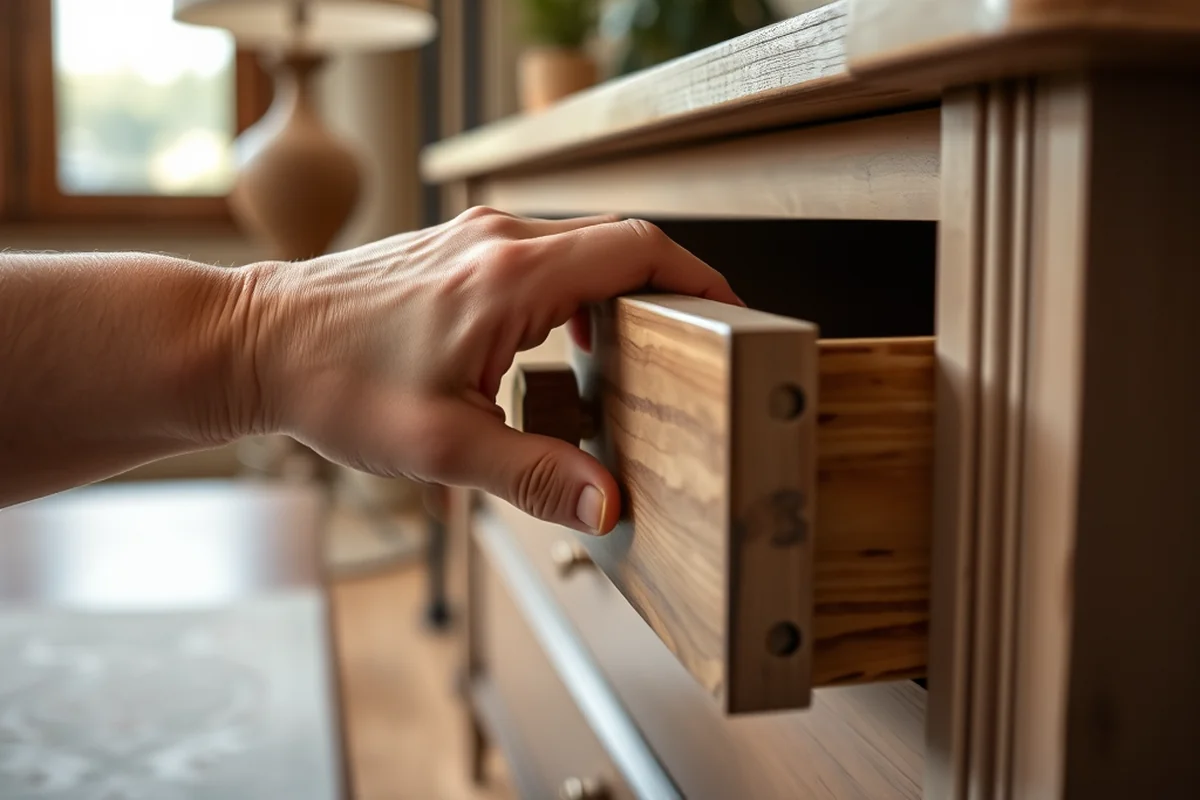
Layering textures and colors is one of the most effective ways to create a fine dining table setting that feels rich and inviting. I’ve found that mixing different fabrics, like linen and cotton, adds depth and interest. For example, I once used a white linen tablecloth as the base and layered a patterned runners on top. The contrast made the table look more dynamic and elegant. It’s a simple trick, but it can make a huge difference in the overall look.
With colors, I like to stick to a cohesive palette. This doesn’t mean everything has to be the same color, but they should work together. I’ve used combinations like navy blue and gold for a classic look, or soft pastels for a more modern feel. The key is to choose colors that complement each other and create a sense of harmony. I once tried using too many colors and it looked chaotic, but after simplifying to two or three main colors, the table looked much more balanced.
Textures are also key. I like to mix smooth surfaces with more organic ones, like a woven basket or a rustic wooden tray. These elements add visual interest and help to anchor the table in a specific style. I’ve found that adding a few textured elements can make the space feel more lived-in and personal, which is especially important for everyday use.
A fine dining table setting is all about balance and harmony, not perfection.
Related: For dining table decor
Adding the Right Amount of Detail
Adding the right amount of detail is crucial to achieving a fine dining table setting that feels curated and intentional. A centerpiece is one of the easiest and most effective ways to do this. I’ve used everything from a simple bowl of fruit to a candle arrangement, and each time, it made the table feel more special. I once used a small ceramic vase with a single flower, and it was surprisingly elegant. The key is to choose something that’s not too overwhelming but still adds visual interest.
Table runners are another great detail that can elevate the look of your table. I’ve used them to define the space and add a layer of texture. For example, I used a red felt runner on a white tablecloth, and it created a striking contrast that drew the eye to the center of the table. I’ve also used runners with patterns, and they added a nice touch of personality. The trick is to choose a runner that complements the rest of the tableware and doesn’t clash.
I’ve also found that small details like napkin folds and placemats can make a big difference. A simple square or triangle fold adds a touch of elegance, and using a matching placemat helps to keep the table organized. I once used a set of mismatched placemats and it looked haphazard, but after switching to a uniform set, the table felt more cohesive. These small touches add up to create a space that feels intentionally designed.
A simple napkin holder can help keep your napkins neatly folded and in place, adding a refined touch to your table setting.
“There’s something deeply satisfying about the way light catches on a well-dressed dining table.”— Customizing Dining Chairs editors
Related: What is table in chart
Lighting and Ambiance
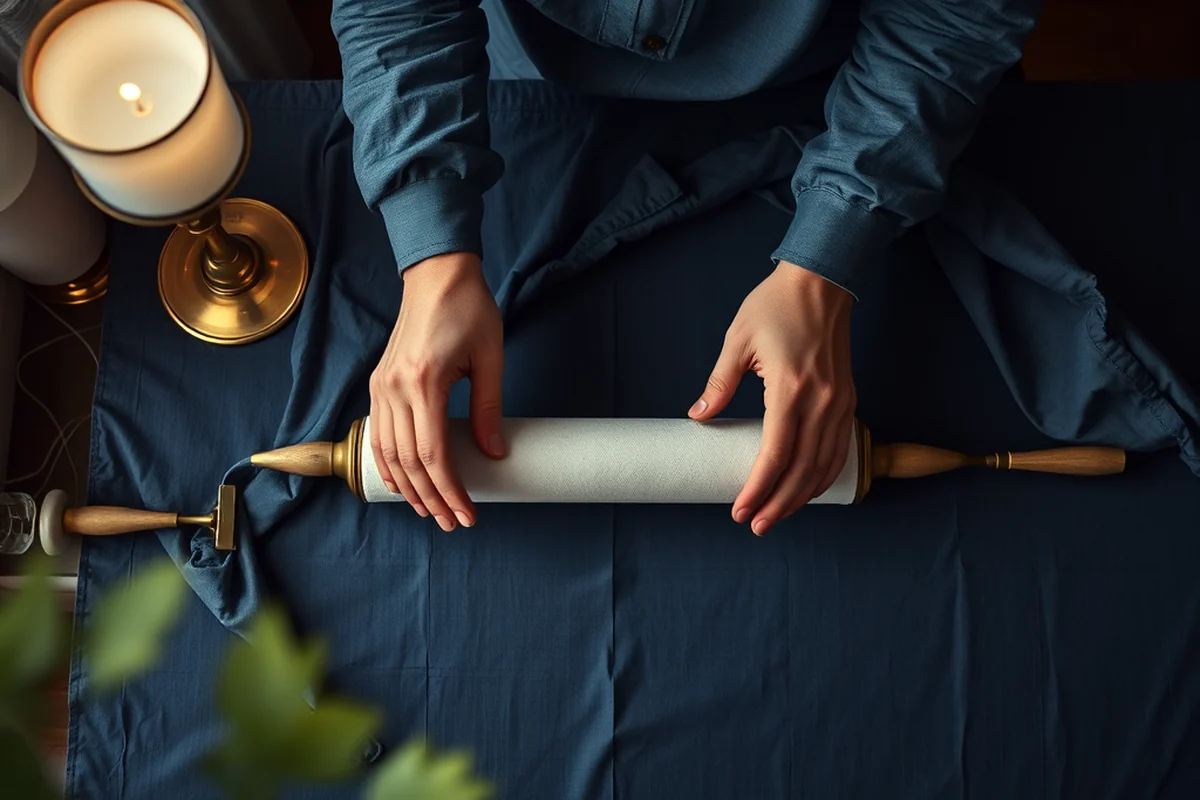
Lighting is one of the most overlooked yet impactful elements of a fine dining table setting. I’ve learned that the right amount of light can make the difference between a table that feels functional and one that feels special. I’ve used both overhead lighting and candles for different effects. For example, I once used a chandelier above the table for a more formal look, and it created a warm, elegant glow. When I used candles, it gave the table a more intimate and cozy feel, especially during dinner parties.
I’ve also found that layering different types of lighting works well. I’ve used a combination of overhead lights, table lamps, and candles for a more dynamic effect. This creates a soft, ambient light that feels welcoming and comfortable. I once used a single overhead light and it was too harsh, but after adding a few candles and a table lamp, the space felt much more inviting. The key is to find a balance that suits the mood of the occasion.
Another thing I’ve noticed is that the color temperature of the lights matters. Warm, golden lights create a more intimate atmosphere, while cooler, white lights feel more modern and functional. I’ve used warm lights for dinner parties and cooler ones for everyday use. This subtle difference can make a big impact on the overall feel of the table.
Related: What is dining room table
Maintaining a Consistent Style
Maintaining a consistent style is essential for achieving a fine dining table setting that feels intentional and elegant. I’ve found that mixing too many different styles can make the table look cluttered and unrefined. For example, I once tried using a modern glass vase with a rustic wooden tray, and it didn’t look right. After simplifying and sticking to one style, the table looked much more cohesive.
I’ve also learned that the key to consistency is to choose a few core elements and build around them. This could be a specific color palette, like navy and gold, or a certain type of fabric, like linen or cotton. I’ve used a set of white plates and a patterned runner, and it created a nice balance between simplicity and texture. The trick is to ensure that everything works together and doesn’t compete for attention.
I’ve also found that consistency doesn’t mean everything has to be the same. It just means that the elements should complement each other. For instance, using a few different shades of the same color or mixing in a few different textures that still work together can create a refined look. I’ve used a combination of ceramic and glassware and it still looked cohesive. The key is to choose pieces that are harmonious and not too different from one another.
Related: Wooden dining table and chairs
Personalizing Your Table Setting
Personalizing your table setting is a great way to make it feel more special and unique. I’ve found that adding personal touches, like family heirlooms or handmade items, adds a nice sense of history and character. For example, I used an old plate that belonged to my grandmother, and it made the table feel more meaningful. It’s a simple way to add a personal element without changing the overall look.
I’ve also used photographs and artwork as part of my table setting. For example, I once used a small framed photo of my family as a centerpiece, and it created a nice focal point that drew the eye. I’ve also used a few small pieces of art that I’ve collected over the years, and they add a nice touch of personality to the table. The key is to choose items that are meaningful to you and that still fit with the overall style.
Another way to personalize your table is to use fabrics and patterns that reflect your taste. I’ve used a few different textiles, like a striped table runner or a floral napkin, and they added a nice touch of individuality. I’ve also found that mixing different patterns can be a fun way to create a more dynamic look. The key is to ensure that the pieces still work together and don’t clash.
Your fine dining table setting should reflect who you are, not just what’s in style.
Related: Round kitchen table and chairs
Creating a Welcoming Atmosphere
Creating a welcoming atmosphere is just as important as the aesthetics with a fine dining table setting. I’ve found that the goal is to make the space feel inviting and comfortable, not overly formal or rigid. For example, I once used a mix of modern and rustic elements, and it created a warm, relaxed feel that made people feel at ease. It’s a subtle but important difference that can make a big impact on the overall experience.
I’ve also learned that the key to a welcoming atmosphere is to avoid over-decorating. Too many elements can make the table feel cluttered and overwhelming. I’ve tried using too many decorative items and it looked messy, but after simplifying, the table felt more balanced. It’s about finding a nice middle ground where the space feels curated but still open and inviting.
Another thing I’ve noticed is that the way the table is set can influence how people interact with the space. I’ve used a more relaxed setup for casual dinners and a more formal one for special occasions. The key is to adjust the level of formality based on the occasion. Whether it’s a casual lunch or a formal dinner, the goal is to make the space feel right for the moment.
💰 Budget Build
Create a stunning fine dining table setting without breaking the bank using affordable materials and creative styling.
⏰ Weekend Version
Quickly set up a beautiful table setting with minimal effort, perfect for last-minute guests or casual dinners.
✨ Upgraded Finish
Elevate your table setting with high-end materials and finishes that add a touch of luxury and sophistication.
🏠 Small-Space Adaptation
Design a fine dining table setting that works well in compact spaces, using space-saving tips and smart styling.
🛡️ Rental-Safe Option
Set up a table that’s both elegant and rental-friendly, using durable, easy-to-clean materials that won’t damage rented furniture.
| The mistake | Why it happens | The fix |
|---|---|---|
| Overusing decorative elements | Too many decorative items can make a table look cluttered and overwhelm the space. | Stick to a few key pieces that complement each other and avoid adding too much detail at once. |
| Ignoring the color palette | Using too many different colors can make a table feel chaotic and unbalanced. | Choose a cohesive color palette and ensure all elements work together in harmony. |
| Using mismatched tableware | Mismatched pieces can make a table look unrefined and disorganized. | Use a consistent set of tableware or ensure that any mismatched pieces are complementary in design and color. |
| Forgetting about lighting | Poor lighting can make a table feel harsh or uninviting, even if all the other details are perfect. | Use warm, ambient lighting and layer different types of light to create a balanced, inviting atmosphere. |
Fine Dining Table Setting
Common Questions
What should I do if I don’t have matching tableware?
How can I make my table setting feel more elegant without spending a lot of money?
What’s the best way to keep my table setting organized and easy to clean?
Can I use the same table setting for both casual and formal dinners?
References
Cite this guide
Customizing Dining Chairs (2026). Fine Dining Table Setting. https://chairscape.com/fine-dining-table-setting/
Feel free to cite or share this guide.