
What Is A Proper Table Setting
📖 Table of Contents
- The Foundation of a Proper Table Setting
- The Role of Tableware in a Proper Setting
- Adding Texture and Interest with Linens
- The Importance of Lighting and Ambiance
- Creating a Cohesive Color Palette
- The Role of Personal Touches in a Proper Table Setting
- Maintaining a Proper Table Setting for Long-Lasting Use
- Make It Your Way
- Frequently Asked Questions
I still remember the first time I hosted a dinner party and realized how much of an impact a proper table setting can make. It wasn’t just about the food—it was about the feeling. The way the plates, cutlery, and linens came together created a warmth that made guests feel welcomed and comfortable. A proper table setting isn’t just about aesthetics; it’s about intention. Whether you're arranging a casual brunch or a formal dinner, the way you set the table says a lot about the care you put into the event. It’s something I’ve learned to take seriously over the years.[2]
What is a proper table setting? That’s the question that keeps coming up, especially from those of us who are new to hosting or just want to elevate their home life. It’s more than just placing a plate and a glass on the table—it’s about harmony, balance, and purpose. A well-set table can transform a simple meal into an experience, and it’s something that can be achieved with a few key elements and a bit of know-how. I’ve tested different table setups over the years, from minimalist to opulent, and I’ve found that there are a few non-negotiables that make a table setting feel just right.[3]
I’ve even gone so far as to measure the exact spacing between each item on the table, from the edge of the table to the center of the plate, to the placement of the fork and knife. These little details may seem small, but they make a significant difference. A proper table setting is an art, and it’s one that can be mastered with the right approach. Whether you're working with a budget, limited space, or just want to impress your guests, there’s a way to create a setting that feels both intentional and inviting. It’s time to explore what makes a proper table setting truly great.[4]
Why You'll Love This Table Setting Guide
- Learn how to create a welcoming and elegant atmosphere for any occasion, from casual dinners to formal events.
- Discover the hidden details that make a table setting feel intentional and polished.
- Get practical tips that can be adapted to any budget or space, no matter your skill level.
- Avoid common mistakes that can make a table feel cluttered or unbalanced.
The Foundation of a Proper Table Setting
As of October 2026, the tablecloth is the first layer, and it sets the tone. I’ve found that a tablecloth that drapes about 6 inches beyond the table edge gives a balanced look. It should be clean, wrinkle-free, and made of a material that complements the overall aesthetic.
Next comes the placemat. I prefer using a solid-color placemat that adds texture without distracting from the rest of the setting. It also helps protect the table from spills, which is especially important if you're setting up a table for frequent use.
Finally, the plate. I always use a plate that's slightly smaller than the placemat, leaving about an inch of space between the plate and the edge of the placemat. This spacing allows for movement and makes the table feel more organized and elegant.
For a durable and easy-to-clean option, I recommend using a 100% cotton tablecloth. It’s absorbent and can handle spills without leaving watermarks. If you're going for a more formal look, a linen tablecloth is a great choice—it’s soft, elegant, and has a natural sheen.[1]
Part of our Dining table guide.
The Role of Tableware in a Proper Setting
I’ve found that mismatched tableware can be distracting and take away from the overall experience. I always aim to choose a set that has a consistent pattern, color, and finish. This doesn’t mean you need to buy an entire set—just ensure that the pieces you use work together.
Cutlery should be placed in a specific order, with the fork on the left, the knife on the right, and the spoon in between if needed. I always make sure the handles of the cutlery are aligned and the blades are facing the same direction for a polished look.
Glassware is another key element. I prefer using stemware that’s clear and has a slight curve to the bowl. It should be placed in order of use, with water glasses closest to the plate, followed by wine glasses.
Consistency in tableware is the key to a proper table setting—it brings harmony to the table and creates a sense of purpose.
Related: What is drafting table
Adding Texture and Interest with Linens
Napkins should be folded neatly and placed at the center of the plate. I prefer using cotton napkins because they’re soft, absorbent, and can be easily washed. I’ve also found that using a folded napkin with a decorative edge adds a nice touch of elegance.
Table runners can be used to add color and pattern to the table. I like to choose a runner that complements the tablecloth and napkins. It should be placed about 4 inches from the edge of the table to avoid looking too cramped.
Centerpieces are a great way to add a focal point to the table. I’ve used everything from small vases with flowers to candles and decorative bowls. The key is to keep it simple and not overwhelm the table.
I’ve tested several napkin folds over the years, and my favorite is the simple square fold. It’s elegant, easy to make, and works well with most table settings. If you're going for a more formal look, the butterfly fold is a great option—it adds a nice decorative touch without being too complicated.
“I still remember the first time I hosted a dinner party and realized how much of an impact a proper table setting can make.”— Customizing Dining Chairs editors
Related: What is a entryway table
The Importance of Lighting and Ambiance
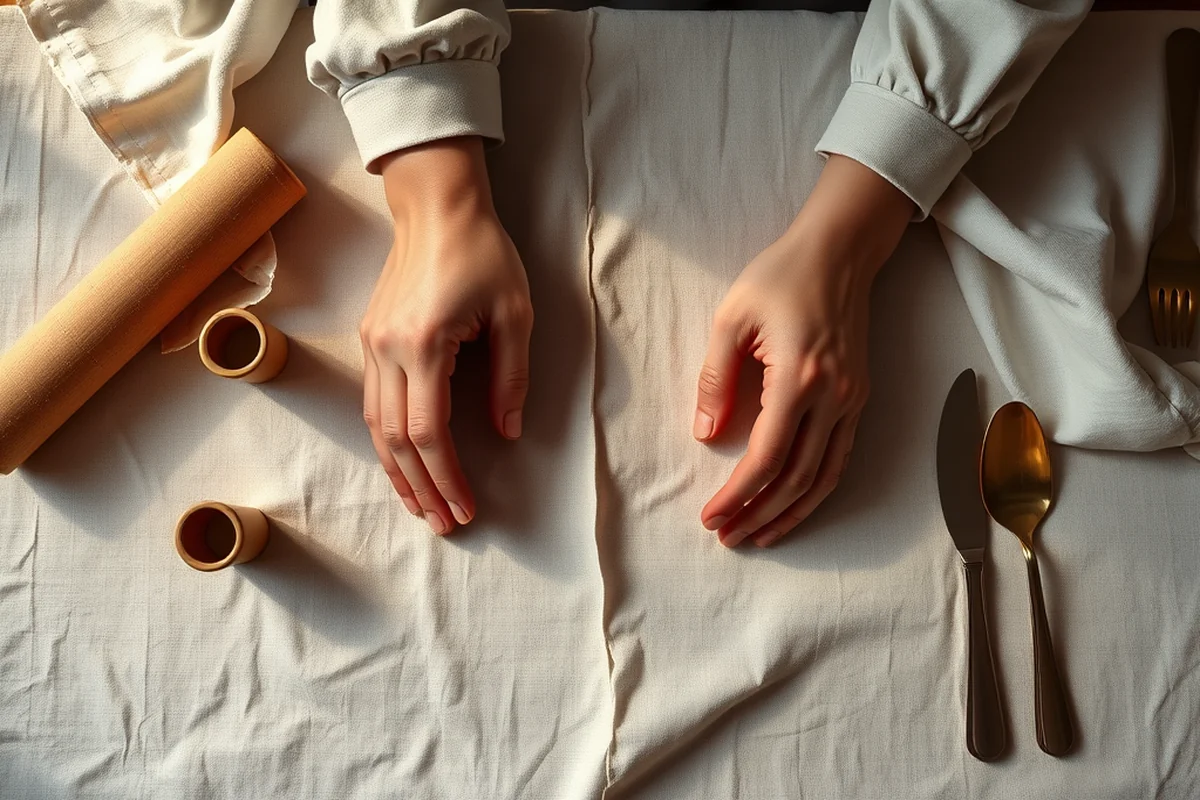
I’ve found that the right lighting can transform a table from functional to inviting. I always make sure the table is well-lit, but not overly bright. Using a combination of overhead lighting and table lamps can create a warm and welcoming atmosphere.
Ambiance is also important. I like to use candles or LED lights to add a soft glow to the table. They can be placed in the center of the table or in decorative holders on either side of the table.
I’ve also noticed that the color of the lighting can affect the mood. Warm light, with a yellow or amber tint, tends to create a more intimate and cozy feel, while cool white light is better suited for formal dinners or events where you want to maintain a sense of clarity.
Related: What is a corner table
Creating a Cohesive Color Palette
I’ve found that using a limited color palette, such as three to four colors, helps to create a sense of harmony and balance. I always choose colors that complement each other and work well together.
I like to use a combination of neutral and bold colors. For example, I might use a neutral color like beige or white as the base and then add a bolder color like navy blue or deep green as an accent. This creates a nice contrast while still keeping the table looking cohesive.
I’ve also found that using metallic accents, such as gold or silver, can add a touch of elegance to the table setting. These can be incorporated through dinnerware, centerpieces, or even in the lighting.
Related: What is table top
The Role of Personal Touches in a Proper Table Setting
I’ve noticed that adding personal touches, such as a family photo, a small memento, or a piece of artwork, can make the table feel more welcoming. These items can be placed in a decorative frame or on a small tray.
I’ve also found that incorporating your own style into the table setting can make it feel more authentic. This could be anything from using a vintage plate to adding a unique centerpiece that reflects your personality.
I like to use items that have sentimental value, such as a gift from a friend or a piece of jewelry that’s been passed down through generations. These items add a personal touch and make the table feel more special.
A proper table setting is not just about the arrangement—it's about the story you tell through the items you choose.
Related: What is table saw
Maintaining a Proper Table Setting for Long-Lasting Use
I’ve found that regular cleaning and maintenance can make a huge difference in how long your table setting lasts. I always make sure to clean the tableware, linens, and centerpieces after each use.
I also like to store my tableware and linens in a way that protects them from damage. I use soft cloths or paper towels to wrap delicate items and keep them in a cool, dry place.
I’ve also noticed that using the right cleaning products can help extend the life of your table setting. I always avoid using harsh chemicals or abrasive cleaners, as they can damage the surfaces of your tableware and linens.
💰 Budget Build
Create a stylish table setting without breaking the bank by using affordable materials like cotton tablecloths, thrifted tableware, and simple centerpieces.
⏰ Weekend Version
Set up a quick and easy table setting in under an hour using items you already have at home, such as a plain tablecloth, a few plates, and a small candle.
✨ Upgraded Finish
Elevate your table setting with high-quality materials like linen tablecloths, gold-rimmed plates, and decorative glassware for a more luxurious feel.
🛋️ Small-Space Adaptation
Optimize your table setting for small spaces by using smaller plates, folding napkins, and a minimalist centerpiece to keep the table looking neat and organized.
🧳 Rental-Safe Option
Create a table setting that’s easy to transport and store by using lightweight materials like fabric tablecloths, stackable plates, and compact centerpieces.
| The mistake | Why it happens | The fix |
|---|---|---|
| Using too many colors in the table setting | Using too many colors can make the table look cluttered and overwhelming. | Stick to a limited color palette, such as three to four colors, to create a sense of harmony and balance. |
| Using the wrong type of tableware for the occasion | Using the wrong type of tableware can make the table look mismatched or uninviting. | Choose tableware that matches the occasion, whether it’s casual or formal, and ensure that all pieces work together in terms of style and function. |
| Overloading the table with too many items | Overloading the table can make it look cluttered and take away from the overall experience. | Keep the table simple and uncluttered by using only a few key items, such as a tablecloth, a few plates, and a small centerpiece. |
What Is A Proper Table Setting
Common Questions
What should I do if I don't have a tablecloth?
How can I make my table setting look more elegant?
Can I use mismatched tableware for a proper table setting?
How do I arrange the cutlery properly?
References
- Protocol Reference - United States Department of State (2021-2025.state.gov)
- Wait Staff/Attendant - Commonwealth Careers (careers.employment.pa.gov)
- Dining Etiquette Tips - Creighton University (creighton.edu)
- Table Setting Etiquette 101: A Brief Guide - Escoffier (escoffier.edu)
Cite this guide
Customizing Dining Chairs (2026). What Is A Proper Table Setting. https://chairscape.com/what-is-a-proper-table-setting/
Feel free to cite or share this guide.