
Round Dining Tables For 4
📖 Table of Contents
I'll never forget the first time I sat down at a round dining table for 4 — the way the light caught the wood grain, the way the conversation flowed effortlessly around the table. It wasn't just about the size or shape, but the way the space felt. That table became the heart of our home, a place where laughter, meals, and memories were made. For anyone looking to create a similar space, round dining tables for 4 are a fantastic choice, offering a balance of practicality and charm.
As someone who loves working with my hands, I've experimented with different styles of tables over the years. Round tables, in particular, have a way of making a room feel more open and inviting. Whether you're building one from scratch or looking for the perfect pre-made option, there's a lot to consider. From materials to dimensions, every detail contributes to the final experience. That's why I've spent the last few months diving deep into the world of round dining tables for 4.
What I found is that these tables are more than just functional furniture — they're a design statement. They fit seamlessly into both modern and traditional spaces, and their circular shape encourages conversation without the rigid lines of square or rectangular tables. If you're looking to create a warm, welcoming space for your family or guests, round dining tables for 4 are the perfect starting point.
Why You'll Love This Round Dining Table for 4
- Encourages open and inclusive conversation
- Fits well in both small and large spaces
- Adds a touch of elegance and style to any room
- Easy to clean and maintain with the right materials
Choosing the Right Materials
As of October 2026, when building a round dining table for 4, materials like wood, metal, and glass are popular choices. I've worked with solid wood, which adds warmth and character, and found that it's both durable and easy to customize. For a more modern look, metal frames paired with tempered glass are a great option. Each material has its pros and cons, and the choice often depends on your budget and aesthetic preferences.
I once built a table with a solid oak top and a metal base. The wood was a bit expensive, but it aged beautifully and gave the table a timeless feel. On the other hand, I tried using MDF for a budget-friendly project — it was smooth and easy to work with, but didn't hold up as well to scratches and spills over time. Your choice of material will impact both the look and longevity of your table.
If you're unsure where to start, consider visiting a local hardware store and testing different materials. You can feel the weight, see how they hold up to moisture, and get a better sense of what will work best for your space. Keep in mind that some materials may require special tools or techniques to work with, so do your research beforehand.[1]
Visit a hardware store and run your hands over different wood types and metal finishes. This will help you understand how each material feels and performs in real life.
Part of our Dining table guide.
Measuring and Planning the Layout
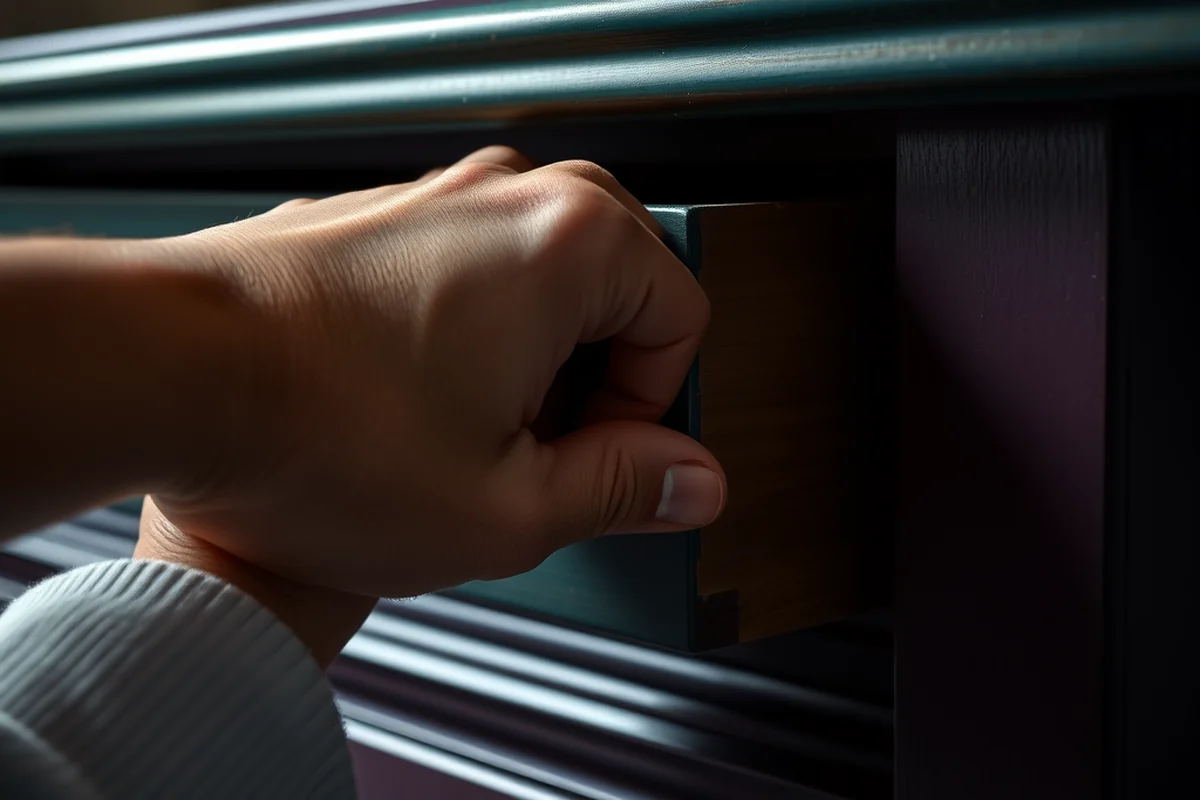
Before you start building or buying a table, take precise measurements of your dining area. I've learned the hard way that rushing this step can lead to a table that doesn't fit or feels too cramped. A round table for 4 should ideally have a diameter of at least 48 inches to allow for comfortable seating.[2]
I once bought a table that was too small for my space — it felt crowded and made the room feel even smaller. The lesson? Always measure twice, and then measure again. If possible, sketch out a layout of your dining area and visualize where the table would sit. This can help you avoid common mistakes and ensure the table complements your room's flow.
Another tip is to consider the height of the table. Standard dining tables are around 30 inches tall, but you can adjust this based on your chairs and personal comfort. I've found that a slightly lower table can make a big difference in comfort, especially for those with shorter limbs.[3]
Measure twice, build once — your table will thank you.
Related: What is drafting table
Designing for Function and Style
The design of your table should reflect your personal style while also meeting your functional needs. I've built tables with built-in storage, which is a lifesaver for keeping essentials like coasters and napkins within reach. Others have opted for minimalist designs that focus on clean lines and neutral colors, creating a timeless look.
I once designed a table with a hidden drawer under the base — it was a small addition, but it made the table feel more organized and functional. On the other hand, I tried a table with too many decorative elements, and it ended up feeling cluttered and overwhelming. Less is often more with design.
Consider the placement of the table in your home as well. If you have a small space, a round table is a great choice — it uses space more efficiently and creates a more open feel. If you're working with a larger room, you can go bigger and add more details to the design.
Consider adding features like built-in storage or adjustable height to make your table more functional and versatile.
“I'll never forget the first time I sat down at a round dining table for 4 — the way the light caught the wood grain…”— Customizing Dining Chairs editors
Related: What is a entryway table
Painting and Finishing Techniques
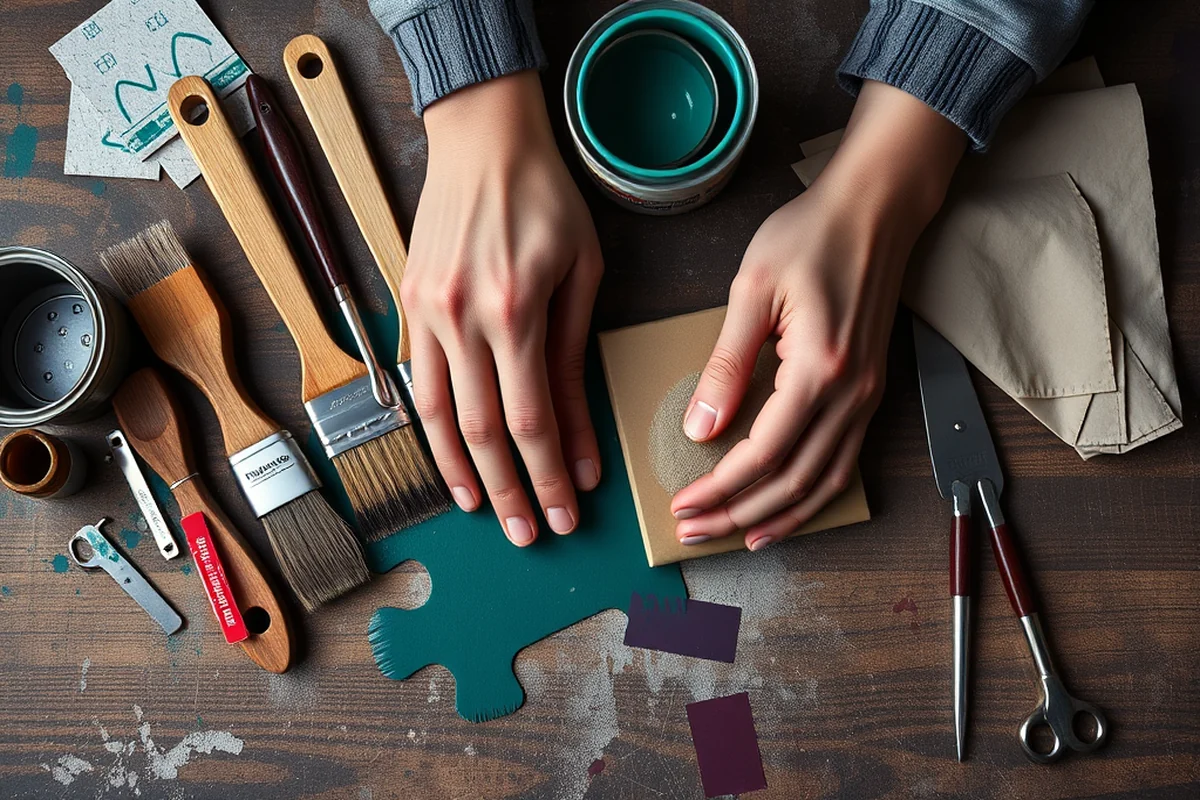
If you're painting your table, it's important to choose the right type of paint and finish. I've found that using a high-quality primer and paint designed for wood surfaces gives the best results. For a smooth, even finish, I recommend sanding the surface thoroughly before painting.
I once painted a table with a glossy finish, and it looked amazing — but it was also very difficult to clean. I switched to a matte finish for my next project, and it was much easier to maintain. If you're using a paint that's not specifically designed for tables, you may end up with a finish that chips or peels over time.
Another tip is to apply multiple thin coats of paint rather than one thick coat. This helps prevent drips and ensures a more even finish. After painting, I always apply a clear coat for added protection — it helps the table last longer and look better over time.
Related: What is a corner table
Adding Unique Decorative Elements
Adding decorative elements like carved legs, inlays, or unique hardware can make your table stand out. I've seen tables with intricate carvings that added a touch of elegance, and others with bold, modern hardware that made a strong statement. These details can elevate a simple table into something truly special.
I once added a set of carved legs to a table I was building — it was a labor of love, but the final result was worth it. The legs gave the table a more sophisticated look and made it feel more like a piece of art than just furniture. On the other hand, I tried adding too many decorative elements to another table, and it ended up feeling too busy and overwhelming.
When choosing decorative elements, it's important to consider the overall style of your home. If you're going for a modern look, keep things simple and clean. If you're aiming for a more traditional or rustic feel, go for intricate details and natural materials.
Related: What is table top
Ensuring Stability and Safety
When building or buying a table, it's important to ensure that it's stable and safe. A wobbly table can be a real nuisance, and in the worst case, it can be dangerous. I've found that using quality hardware, like screws and bolts, is key to keeping the table secure.
I once built a table using cheap screws — it looked fine at first, but after a few weeks, the table started to wobble and eventually came apart. Lesson learned: always use the right hardware and make sure everything is tightened properly. If you're building your own table, take the time to reinforce the joints and ensure that everything is properly aligned.
If you're buying a pre-made table, check for stability before you bring it home. Try moving it around, see if it wobbles or feels unstable. A good table should feel solid and secure underfoot. If it doesn't, it's worth returning or looking for a different option.
A stable table is a happy table.
Related: What is table saw
Maintaining Your Table Over Time
Once your table is built or purchased, it's important to take care of it to ensure it lasts. I've found that using coasters and table pads can help protect the surface from scratches and heat damage. If you're using a painted or finished table, it's also a good idea to avoid placing hot dishes or heavy objects directly on the surface.
I once left a hot pan on a painted table without a coaster, and it left a permanent mark that I couldn't remove. Since then, I've made it a habit to use coasters and table pads — it's a small change that makes a big difference. If you're using a natural wood table, regular polishing and cleaning can help keep it looking its best.
Another tip is to avoid using harsh cleaning products on your table — they can strip away the finish or damage the surface. Instead, use a mild soap and water solution for cleaning, and always dry the table thoroughly after cleaning. With a little care and attention, your table can last for years and continue to bring joy to your home.
💰 Budget Build
Create a stylish round dining table for 4 with minimal cost using affordable materials like MDF and basic tools.
⏳ Weekend Version
Build a simple round dining table for 4 in just one weekend using pre-cut materials and basic hardware.
✨ Upgraded Finish
Add a professional look to your round dining table for 4 with high-quality paint, wood stain, and decorative hardware.
🛋️ Small-Space Adaptation
Design a compact round dining table for 4 that fits perfectly in small apartments or cozy living areas.
🏠 Rental-Safe Option
Build a portable and easy-to-clean round dining table for 4 that's perfect for rental homes or temporary living spaces.
| The mistake | Why it happens | The fix |
|---|---|---|
| Using the wrong type of paint or finish | This can lead to a table that chips, peels, or is difficult to clean over time. | Choose a high-quality paint or finish designed for wood surfaces and apply multiple thin coats for better results. |
| Skipping the measuring step | This can result in a table that doesn't fit well in your space or feels too cramped. | Always measure your dining area carefully and sketch out a layout before choosing or building a table. |
| Using cheap hardware | Cheap hardware can lead to a wobbly or unstable table that may break over time. | Invest in quality hardware and make sure all joints are properly reinforced and tightened. |
| Adding too many decorative elements | This can make the table feel cluttered and overwhelming, especially in smaller spaces. | Choose a few key decorative elements that complement your style rather than overwhelming the design. |
Round Dining Tables For 4
Common Questions
What is the ideal size for a round dining table for 4?
Can I build a round dining table for 4 with minimal tools?
What materials are best for a round dining table for 4?
How can I make my round dining table for 4 more stylish?
References
- Winter 2024-2025 Visitor Tracking Report (outside.vermont.gov)
- Mass Ave Planning Study - the City of Cambridge (cambridgema.gov)
- The Clubhouse at Durand Eastman Park Golf Course - Monroe County (monroecounty.gov)
Cite this guide
Customizing Dining Chairs (2026). Round Dining Tables For 4. https://chairscape.com/round-dining-tables-for-4/
Feel free to cite or share this guide.