
Dining Chairs Japandi
📖 Table of Contents
- What is Japandi and Why It Works for Dining Chairs
- The Best Tools for Building Japandi Dining Chairs
- How to Apply the Perfect Finish for Japandi Chairs
- Customizing Your Dining Chair for the Japandi Style
- Building Your Chair Step by Step
- Why Japandi Dining Chairs Are a Great Investment
- How to Maintain Your Japandi Dining Chair
- Make It Your Way
- Frequently Asked Questions
I still remember the first time I saw a dining chair with that perfect Japandi aesthetic — clean, minimalist lines, natural wood tones, and a subtle, almost imperceptible touch of modernity. It was like a breath of fresh air in my cluttered, overly decorated living room. That moment sparked a curiosity in me that has led me to experiment with building and customizing dining chairs that channel that same Japandi vibe. Japandi, a blend of Japanese and Scandinavian design, is all about simplicity, functionality, and a deep respect for natural materials. It's the kind of style that feels calm and inviting, like a quiet conversation with the room itself.[3]
Building dining chairs in the Japandi style is more than just a DIY project; it's an exercise in mindfulness. Every choice — from the type of wood to the color of the stain — becomes a deliberate decision that reflects your values and your taste. I've spent hours in my garage, sanding down wood and selecting just the right finish to bring out the grain in a chair that would look at home in a Tokyo apartment or a Nordic cabin. It's not just about looking good; it's about feeling good when you sit down at the table.
What I've learned is that Japandi dining chairs are not only beautiful, but they're also highly functional. They're built to last, made with materials that are both durable and sustainable. I've built several chairs over the past year, and each one has taught me something new — whether it's the importance of a solid frame or the right way to apply a water-based stain. If you're looking to create a dining area that feels both modern and timeless, Japandi is the way to go. And the best part? You can do it yourself, without breaking the bank.
Why You'll Love This Project
- Create a unique, stylish piece that reflects your personal taste and values
- Enjoy the satisfaction of building something with your own hands
- Customize your chair to match your existing decor
- Save money compared to buying a high-end, pre-made dining chair
What is Japandi and Why It Works for Dining Chairs
As of August 2026, Japandi design is a marriage of Japanese and Scandinavian aesthetics, focusing on simplicity, functionality, and the use of natural materials. It's not about being overly ornate or flashy — it's about creating a space that feels calm, balanced, and intentional. When applied to dining chairs, this philosophy results in pieces that are both elegant and highly functional. I've found that the best Japandi dining chairs have a slight curvature in the backrest, subtle wooden detailing, and a finish that enhances the natural grain of the wood.[1]
One of the key aspects of Japandi is its use of neutral colors and natural materials. Think warm wood tones, muted pastels, and the occasional pop of color in the form of a metal accent or a fabric cushion. I've built several chairs using white oak and applied a light, water-based stain to bring out the grain. The result was a chair that looked modern but also had a warmth that made it feel like it belonged in any home.
Japandi dining chairs are also designed with comfort in mind. They're built to be sturdy, with a slight curve in the seat and backrest that supports the body in a natural way. I've noticed that even after long meals, the chairs don't feel uncomfortable — which is something you can't always say about mass-produced dining chairs.
White oak, maple, and ash are excellent choices for Japandi dining chairs. They're durable and have a natural grain that looks great when finished with a light, water-based stain.
Part of our Dining chair guide.
The Best Tools for Building Japandi Dining Chairs
You don't need an entire workshop to build a Japandi dining chair. A few essential tools — like a hand saw, a sander, and a clamping system — will get the job done. I've used these tools for all my projects, and they've never let me down. The key is to have the right tools for the right job — and for a chair like this, precision is key.
A hand saw is essential for cutting the wood to size. I use a combination square to make sure every cut is straight and accurate. A sander is also crucial for smoothing out the wood and preparing it for staining. I've found that using a combination of coarse and fine sandpaper gives the best finish.
Clamps are another important tool. They help keep the pieces in place while you're assembling the chair. I've had to use them quite a bit, especially when attaching the legs and the backrest. It's a simple tool, but it makes a big difference in the final result.
The right tools make all the difference in the final product.
Related: Dining chairs argos
Related: Dining chairs boucle
Related: Dining chairs kmart
Related: Dining chairs ebay
Related: What is boucle dining chair
Related: Dining Chairs Boho
Related: How Much Clearance For Dining Table Chairs
Related: Reupholster Dining Chairs How To
Related: How To Buy Dining Chairs
Related: What Is Fine Dining
Related: What Is Polywood Chairs
Related: Outdoor Table And Chairs
Related: What Is Aa Dining
Related: Dining Chairs With Metal Legs
Related: On The Dining Table
Related: Custom Dining Chairs Uk
Related: What Is A Farmhouse Dining Table
Related: Cracker Barrel Rocking Chairs
Related: What Is A Entryway Table
Related: Upholstered Dining Chairs And Bench
Related: Custom Dining Chairs Toronto
Related: Custom Dining Chairs Perth
How to Apply the Perfect Finish for Japandi Chairs
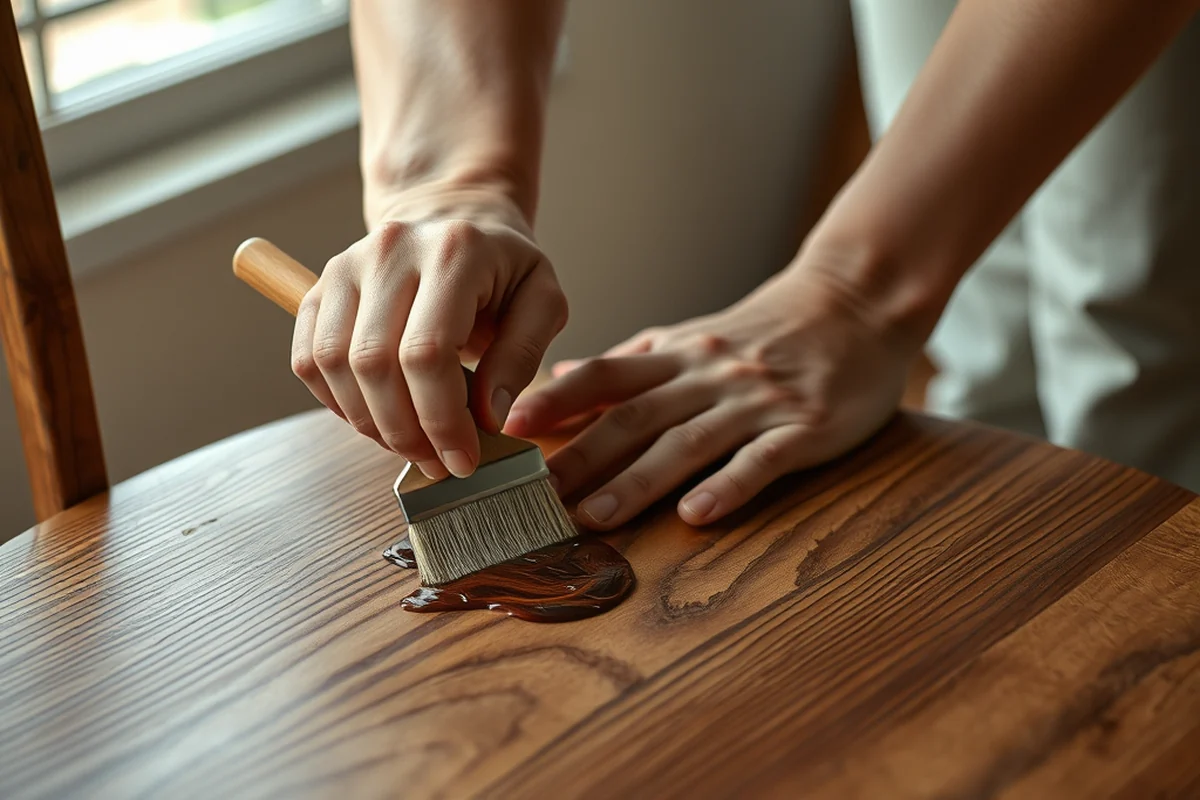
The finish is one of the most important aspects of building a Japandi dining chair. It needs to be subtle, natural, and enhance the wood rather than cover it up. I've used a water-based stain on all my chairs, and it's worked like a charm. It's easy to apply, dries quickly, and doesn't emit strong fumes.
After applying the stain, I always use a clear top coat to protect the wood. I've found that using a water-based polyurethane gives the best results. It adds a slight sheen to the wood without making it look too shiny. I've also experimented with matte finishes, but I found that the slight sheen looks more natural in the end.
One thing I've learned is that applying multiple thin coats of stain is better than applying one thick coat. It gives a more even finish and prevents the wood from looking too dark or too light. I've used this technique on all my chairs, and it's worked well every time.
Applying multiple thin coats of stain will give you a more even and natural finish. It's better than applying one thick coat, which can lead to uneven results.
“I still remember the first time I saw a dining chair with that perfect Japandi aesthetic — clean, minimalist lines, natural wood tones, and a…”— Customizing Dining Chairs editors
Related: At Dining Table
Related: Glass Top Of Dining Table
Customizing Your Dining Chair for the Japandi Style

One of the best things about building a Japandi dining chair is that you can customize it to fit your space and style. I've built chairs with different types of legs — some with a minimalist, straight leg, and others with a more traditional, turned leg. Both styles work well in a Japandi space, but the choice is up to you.
Another way to customize your chair is by adding subtle details, like a metal accent or a fabric cushion. I've used a few pieces of brushed brass to add a touch of modernity to a chair that otherwise looked very natural. It's a small detail, but it makes a big difference in the overall look.
I've also experimented with different types of fabric for cushions. Linen and cotton are both excellent choices for Japandi chairs, as they have a natural texture and a soft, organic feel. I've found that using a neutral color for the fabric works best, as it keeps the chair looking clean and uncluttered.
Building Your Chair Step by Step
The first step is to cut all the pieces to size. I've used a hand saw and a combination square for this part of the process. It's important to be precise — even a small mistake can throw off the whole chair. I've made a few mistakes in the past, but with practice, I've gotten better at it.
Next, I sand down all the pieces to prepare them for staining. I use a combination of coarse and fine sandpaper to smooth out the wood. I've found that this step is essential, as it helps the stain adhere properly and creates a smooth surface.
After the wood is ready, I assemble the chair. I use wood glue and clamps to hold everything in place. Once the glue dries, I apply the finish and let it cure. It's a simple process, but it takes time and patience.
Why Japandi Dining Chairs Are a Great Investment
One of the biggest advantages of Japandi dining chairs is their durability. They're made with high-quality materials and built to last, so you won't have to replace them as often as you might with mass-produced chairs. I've built several chairs over the past few years, and none of them have shown any signs of wear or damage.
Another benefit is that they're highly customizable. You can choose the type of wood, the finish, and even the details — like the legs or the cushions. This means you can create a chair that's unique to your space and your style.
Finally, Japandi dining chairs are versatile. They can fit into a wide range种 of spaces, from a modern kitchen to a rustic farmhouse. I've used them in a variety of settings, and they always seem to blend in seamlessly.
Japandi dining chairs are a great investment — both in terms of style and durability.
How to Maintain Your Japandi Dining Chair
Once your chair is built and finished, the maintenance is relatively simple. I've found that wiping it down with a damp cloth and a mild cleaner is enough to keep it looking its best. I avoid using harsh chemicals or abrasive cleaners, as they can damage the finish.
I also make sure to avoid exposing the chair to direct sunlight or extreme heat, as this can cause the wood to warp or crack over time. I've had to deal with this issue before, and it's not fun — but it's preventable with a little care.
Finally, I recommend using a water-resistant top coat to protect the chair from spills and stains. I've used a water-based polyurethane for this, and it's worked well for me. It adds an extra layer of protection without changing the look of the chair.[2]
💰 Budget Build
Build a Japandi dining chair using reclaimed wood and basic tools for under $40.
⏰ Weekend Version
Finish a Japandi dining chair in one weekend with simple steps and minimal tools.
✨ Upgraded Finish
Add a custom finish or accent details to make your chair stand out in a Japandi space.
🏠 Small-Space Adaptation
Design a compact Japandi dining chair that fits perfectly in a small kitchen or apartment.
🧳 Rental-Safe Option
Create a Japandi dining chair that's easy to disassemble and transport for rental or temporary use.
| The mistake | Why it happens | The fix |
|---|---|---|
| Using a dark stain that doesn't match the Japandi aesthetic | Dark stains can make the chair look too bold and take away from the minimalist feel of Japandi design. | Choose a light or natural stain that enhances the wood grain without overpowering the design. |
| Not using clamps during assembly | This can lead to misalignment and weak joints, making the chair unstable. | Use clamps to hold the pieces in place while the glue dries for a stronger, more accurate result. |
| Applying too much stain in one coat | This can lead to uneven results and a blotchy finish that doesn't look natural. | Apply multiple thin coats of stain instead of one thick coat for an even and natural finish. |
| Using harsh chemicals for cleaning | These can damage the finish and cause the wood to warp or crack over time. | Use a mild cleaner and a damp cloth to clean the chair — avoid any abrasive or chemical-based products. |
Dining Chairs Japandi
Common Questions
What type of wood is best for a Japandi dining chair?
How long does it take to build a Japandi dining chair?
What tools are needed for this project?
Can I customize my Japandi dining chair?
Cite this guide
Customizing Dining Chairs (2026). Dining Chairs Japandi. https://chairscape.com/dining-chairs-japandi/
Feel free to cite or share this guide.
References
- COMMUNITY BOARD No. 1 | NYC.gov (nyc.gov)
- (PDF) Food culture in Japan - Academia.edu (academia.edu)
- The Influence of Zen on Contemporary Aesthetics in Decorative Arts ... (digitalcommons.sia.edu)