
What Is A Side Table
📖 Table of Contents
The first time I placed a side table in my living room, I didn't realize how much it would change the way I used that space. It was just a small wooden table, but it became a hub for my morning coffee, my keys, and even a place to rest my phone while I cooked. I hadn't even thought about what a side table actually was — just something that looked good next to a couch. But as I started to use it more, I realized its role in home design was much more nuanced than I had imagined. A side table isn't just a functional object; it's a design choice that affects the whole room's flow, aesthetics, and even your daily habits.
When I first bought my first side table, I didn't know how to choose one that fit my space or my style. I ended up with something too tall and too narrow, which made the room feel cluttered and unbalanced. I learned quickly that size, shape, and material all matter — and that a side table is more than just a place to put things. It's a statement. It's a surface that can be used for decoration, for storage, and for practicality. Whether you're building one from scratch or shopping for an existing one, understanding what a side table is and how to use it can make a huge difference in your home's comfort and style.
Over the past few years, I've built, bought, and even sold several side tables, and each one taught me something new. Some were too flimsy, others too bulky, and a few just didn't match the tone of the room. But through trial and error, I've come to appreciate the subtle details that make a side table work well: the right height, the durability of the wood, the way it sits next to your furniture. If you're looking to buy or build a side table, knowing what it is and how it functions can help you make a smarter, more confident choice — one that will last for years and enhance the look of your home.[1]
Why You'll Love This Article
- Understand the true definition and purpose of a side table in home design.
- Learn how to choose the right size, material, and style for your space.
- Discover the many ways a side table can be used beyond just placing items on it.
- Get practical tips for building or buying a side table that fits your lifestyle.
What Exactly Is a Side Table?
As of September 2026, a side table is a small, often low table placed next to a piece of furniture like a sofa or bed, used for storage, decoration, and convenience. It's one of the most underappreciated pieces of furniture in a home, yet it plays a critical role in both functionality and aesthetics. Unlike a coffee table, which is usually the focal point of a living room, a side table is more about accessibility. I've found that the right side table can transform a cramped corner into a stylish and organized spot, just by providing a surface to place items like lamps, books, or even a cup of tea.
The key thing to understand is that a side table is not just a place to put things. It's a design element that should complement the room's overall style. In my living room, I have two side tables flanking my sofa — one on each side. They're the same height, made of solid wood, and have a minimalist design that matches the rest of the furniture. This balance makes the room feel more cohesive and intentional. If the side tables were too different in size or style, the room would feel off-center and unbalanced.
In most homes, side tables serve multiple purposes. They can act as a surface for a lamp, a place to rest a drink, or even a small storage unit for items like remotes, magazines, or keys. In my bedroom, I have a side table next to my bed with a drawer for storing my phone, charger. Jewelry — it's a lifesaver when I need to grab something without turning on the lights. The right side table can elevate the look of a room while making everyday life a little easier.
A good rule of thumb is to match the height of your side table to the seat height of your sofa or chair. This ensures a seamless and proportional look.
Part of our Dining table guide.
Where to Place a Side Table
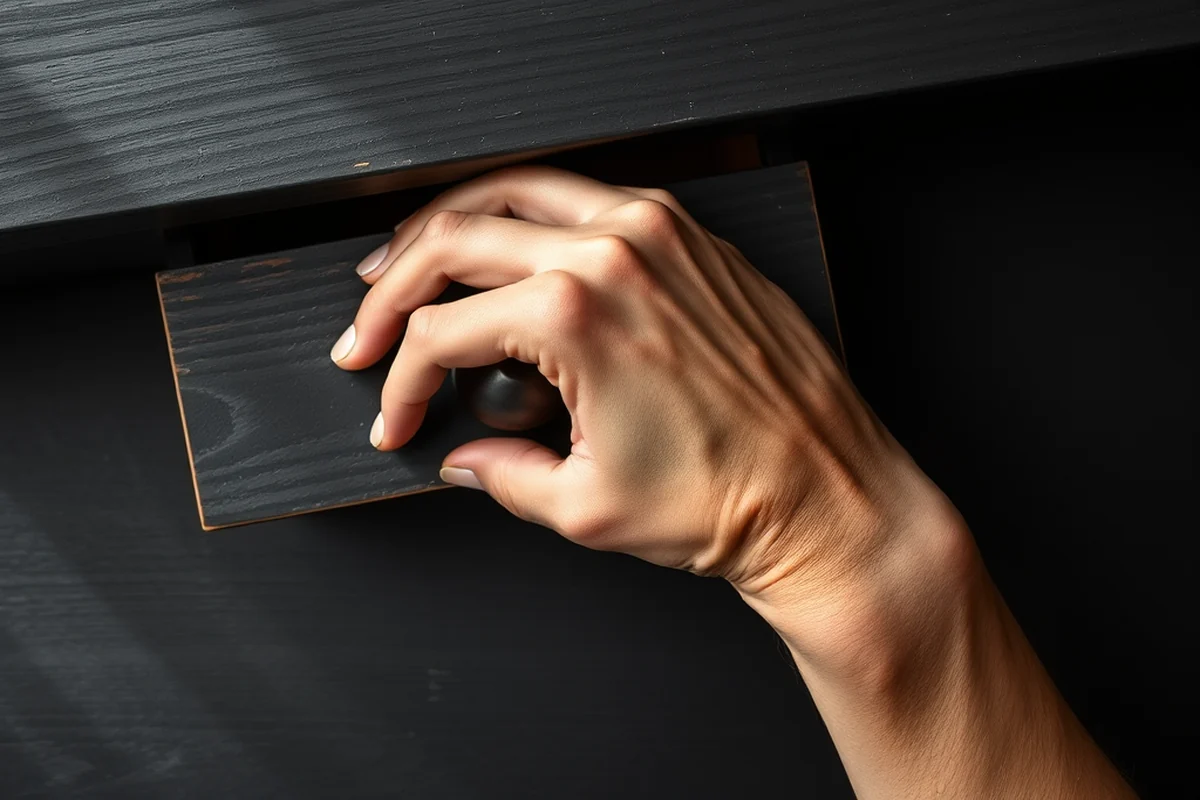
Side tables are best placed next to seating areas like sofas, armchairs, or beds for maximum utility and visual balance. I've noticed that in many homes, people place their side tables too far from the furniture or in awkward corners, which makes them feel like an afterthought. Instead, the ideal placement is right next to the furniture — just enough distance to be useful but close enough to feel connected to the space.
When I moved into my current apartment, I had a small living room with a long sofa that didn't have much room for a coffee table. But I realized that two side tables on either end of the sofa would work perfectly. They allowed me to keep my drinks, books, and even my laptop on the table, while still keeping the floor space open. It made the room feel more functional and less cluttered.
In a bedroom, placing a side table next to the bed is common and practical. I've found that having one on the left and right sides of the bed (if the bed is large) is helpful for nightlights, glasses, and a water glass. This arrangement is especially useful for couples, as it allows both people to have a surface that's within reach. It's all about finding a spot that works for your lifestyle and doesn't disrupt the flow of the room.
Placement is everything when it comes to side tables — they need to be where you can use them, but not where they disrupt the room's harmony.
Related: Customized glass dining table
Related: What dining room tables
Related: How much clearance for dining table chairs
Materials and Styles to Consider
Side tables can be made from a variety of materials, including wood, metal, glass, and even concrete, each offering different aesthetics and durability. In my home, I have a wooden side table on my living room sofa that I built myself — it's made from reclaimed oak, which gives it a rustic, natural look. I also have a metal side table in my bedroom, which has a sleek, modern design that complements my minimalist decor.
Wood is a popular choice for side tables because it's versatile and can be stained or painted to match any room. I've found that solid wood is more durable than particle board, which can sag or break over time. If you're on a budget, a side table made from engineered wood can be a cost-effective option. Metal and glass are also great choices, especially for modern or contemporary spaces. Glass side tables are often used for their ability to reflect light and give a sense of openness, but they can be more fragile and harder to clean.
Concrete and other industrial materials are becoming more popular in modern home design. I've seen several concrete side tables in furniture stores, and they have a very unique, edgy look. However, they can be heavy and expensive. If you're considering a concrete table, make sure it's well-sealed to prevent water damage and stains. Each material has its own pros and cons, so it's important to choose one that fits both your style and your practical needs.
A wooden side table might be perfect for a rustic living room, while a glass or metal one could work better in a modern or industrial space.
“The first time I placed a side table in my living room, I didn't realize how much it would change the way I used that…”— Customizing Dining Chairs editors
Related: Customized foldable dining table
Related: Best dining room chairs for round table
How to Choose the Right Size
The size of a side table should be proportional to the furniture it's placed next to and the available space in the room. I've learned the hard way that a side table that's too large can feel overwhelming, while one that's too small can look out of place. In my living room, I have a sofa that's about 8 feet long. I chose two side tables that are each around 20 inches wide — this gives them enough surface space without making them feel too bulky.[2]
In a smaller room, it's important to choose a side table that's more compact. I once tried to place a large, round side table next to my small armchair, and it made the room feel cramped. It didn't look good and was almost impossible to use. So, I switched to a smaller, rectangular table that fit better and looked more balanced. In larger rooms, the table can be bigger, but it should still be in proportion with the other furniture.
Height is another important factor. A side table that's too short can look like it's floating, while one that's too tall can feel out of place. The general rule is to match the side table's height to the seat height of the furniture it's placed next to. This creates a more cohesive and visually pleasing look, and it also makes the table easier to use. I've found that the right size and height make a huge difference in how the table functions and how it looks in the room.
The Practical Uses of a Side Table
Side tables are incredibly useful for holding items like lamps, books, drinks, and electronics, making them a functional addition to any room. I've found that in my living room, having a side table next to my sofa has been a game-changer. It allows me to keep my lamp, my remote, and even my phone within easy reach. This simple addition has made my evenings more comfortable and my daily life more efficient.
In my bedroom, my side table serves as a place to keep my phone, my glasses, and even a small water glass. I've noticed that having a surface next to my bed has made it much easier to get up at night without fumbling around in the dark. It's also been helpful for my partner and me to have a spot where we can both keep our own items, rather than having to share a drawer or a shelf.
In a home office, a side table can be used to hold a laptop, a notebook, or even a small plant. It's a great way to add a touch of personality to the space while also keeping everything within reach. The practical uses of a side table are endless — it's not just an accessory; it's a piece of furniture that can make your life easier and your space more organized.
The Aesthetic Role of a Side Table
A side table can enhance the aesthetic of a room by adding color, texture, and visual interest to the space. I've noticed that the right side table can completely transform the look of a room, even if the rest of the furniture stays the same. In my living room, I have two side tables that are made from different materials — one is wooden with a natural finish, and the other is a sleek metal table. Together, they add a nice contrast to the room and make it feel more dynamic.
In a room with a lot of neutral colors, a side table with a bold color or unique design can be a great way to add a pop of personality. I've seen some people use side tables with bright colors or interesting textures, like rattan or woven materials, to make their space feel more vibrant. This can be especially effective in a small room, where a little extra visual interest can make a big difference.
Even a simple side table can make a room feel more complete. In my home office, I have a small side table that's painted in a soft blue — it adds a subtle touch of color without overwhelming the space. It's a small detail, but it makes the room feel more intentional and thoughtfully designed. A side table isn't just a place to put things; it's a piece of furniture that can help you create the look and feel of your home.
Don't underestimate the power of a side table — it can turn a plain room into a space that feels complete and intentional.
How to Build or Buy the Right Side Table
Building or buying a side table is an excellent way to add a personalized touch to your home, but it's important to choose the right option for your needs. If you're looking for a quick and affordable solution, buying a pre-made side table from a store like IKEA or Target can be a great option. These tables are usually well-made, come in a variety of styles, and are often priced reasonably. I've bought a few from these stores, and they've all been sturdy and functional.
If you're interested in building your own side table, it can be a fun and rewarding project. I built my first one a few years ago using some reclaimed wood and a few basic tools — it took about a weekend and cost me around $40 for the materials. The process was straightforward, and the finished product was a great addition to my living room. If you're new to DIY, a simple side table can be a great starting point, as it's relatively easy to build and doesn't require any advanced skills.
When choosing between buying and building, consider your budget, time, and level of experience. Building a side table can be a great way to save money and customize the design, but it requires some effort and patience. On the other hand, buying a pre-made table is a quicker option that can still give you the quality and style you're looking for. Either way, choosing the right side table can make a big difference in the look and function of your home.
💰 Budget Build
A quick and affordable side table made from inexpensive materials like MDF or particle board.
🛠️ Weekend Version
A simple build that can be completed in one weekend, perfect for beginners and those with limited time.
✨ Upgraded Finish
A side table with a polished or stained finish that adds a touch of luxury and style to any room.
🏠 Small-Space Adaptation
A compact and space-saving side table ideal for apartments or smaller homes with limited square footage.
🔒 Rental-Safe Option
A portable and easily removable side table that's perfect for renters who want to add style without damaging the space.
| The mistake | Why it happens | The fix |
|---|---|---|
| Choosing a side table that's too large for the space. | A side table that's too large can make the room feel cluttered and out of balance. | Choose a side table that's proportionate to the furniture and the space in the room. |
| Using a side table in the wrong location. | Placing a side table in an awkward spot can make it less useful and disrupt the flow of the room. | Place the side table next to seating areas like sofas, armchairs, or beds for maximum utility and visual balance. |
| Ignoring the height of the side table. | A side table that's too short or too tall can look out of place and be less functional. | Match the height of the side table to the seat height of the furniture it's placed next to for a balanced look. |
| Choosing the wrong material for the space. | A material that doesn't fit the style or practical needs of the room can make the side table feel out of place or less durable. | Choose a material that complements the room's style and is suitable for the intended use. |
What Is A Side Table
Common Questions
How do I choose the right size side table for my room?
What are some common materials used for side tables?
Can I build my own side table?
What are the benefits of a side table in a bedroom?
References
- The Fed - The International Role of the U.S. Dollar – 2025 Edition (federalreserve.gov)
- Wooden Bedroom Furniture From China (usitc.gov)
Cite this guide
Customizing Dining Chairs (2026). What Is A Side Table. https://chairscape.com/what-is-a-side-table/
Feel free to cite or share this guide.