
What Is A Dining Room Hutch
📖 Table of Contents
- What Exactly Is A Dining Room Hutch?
- How to Choose the Right Dining Room Hutch for Your Space
- How to Build a Simple Dining Room Hutch
- The Different Styles of Dining Room Hutches
- How to Use a Dining Room Hutch in Different Spaces
- How to Customize Your Dining Room Hutch
- Tips for Maintaining Your Dining Room Hutch
- Make It Your Way
- Frequently Asked Questions
The first time I saw a dining room hutch, I didn’t know what it was — I just knew it looked like a piece of furniture that didn’t belong in the dining room. It was tall, had drawers, and sat awkwardly next to the table like it was waiting for a purpose. But after a friend explained what it was, I realized that this was one of the most versatile pieces of furniture I had ever encountered. A dining room hutch is more than just a cabinet; it’s a storage solution, a style statement, and a functional space-saver all in one. The name alone — 'hutch' — feels old-fashioned, but the truth is, this furniture piece has been around for centuries and is still just as relevant today.[1]
What exactly is a dining room hutch? Let me break it down for you. It’s a tall cabinet with open shelves, usually with a few drawers underneath and sometimes even a small table top on top. These pieces are often made of wood and come in a variety of styles, from rustic farmhouse to sleek modern. I remember the first hutch I ever built — it was a simple pine version that I picked up at a local hardware store for less than $100. It took me just one weekend to put it together, and now it sits in my living room, doubling as a storage unit and a display case for my favorite books and artwork.
But the real magic of a dining room hutch lies in how it can transform a space. I used to have a small dining area that felt cluttered and cramped, and the addition of a hutch changed everything. It gave me extra storage for dishes and tableware, and it also created a clean, organized look that made the room feel bigger and more open. Now, when I invite people over for dinner, they always comment on how much better the room looks. A dining room hutch isn’t just a piece of furniture — it’s a design element that can make a big difference in how a room feels and functions.
Why You'll Love This Dining Room Hutch Guide
- Understand the purpose and design of a dining room hutch
- Discover how to choose the right hutch for your space
- Learn to build or repurpose a hutch for DIYers
- Get inspired by different variations of hutch designs
What Exactly Is A Dining Room Hutch?
As of September 2026, at its core, a dining room hutch is a tall cabinet with open shelves, drawers, and sometimes a small table top on top. It’s a piece of furniture that’s been around for decades and continues to be a staple in both traditional and modern homes. I’ve seen hutch designs that are simple and minimalist, as well as ones that are ornate and detailed. One of the most common features is the open shelving — this allows for easy access to items like dishes, cookbooks. Decorative objects, while also showcasing them in a way that adds visual interest to the room.
Hutches are often made from wood, but they can also be constructed from other materials like metal or even glass. I’ve even seen some people use repurposed materials like old doors or reclaimed wood to build custom hutch units. The beauty of a hutch is that it can be tailored to fit the specific needs of a room, whether that means adding extra storage space or creating a display area for a collection of books or art.
One of the most appealing things about a hutch is that it doesn’t take up too much floor space. Unlike a regular cabinet, which is often placed against a wall, a hutch is freestanding and can be moved around as needed. This makes it ideal for small spaces where every inch of room counts. I’ve used mine to store extra dishes and utensils, and it’s also become a central point in my living room where I display my favorite books and photo albums.
When selecting a hutch, consider the material. Wood is durable and easy to work with, while metal can add a modern edge. For a rustic look, try reclaimed wood or even upcycled materials.
Part of our Dining room guide.
How to Choose the Right Dining Room Hutch for Your Space
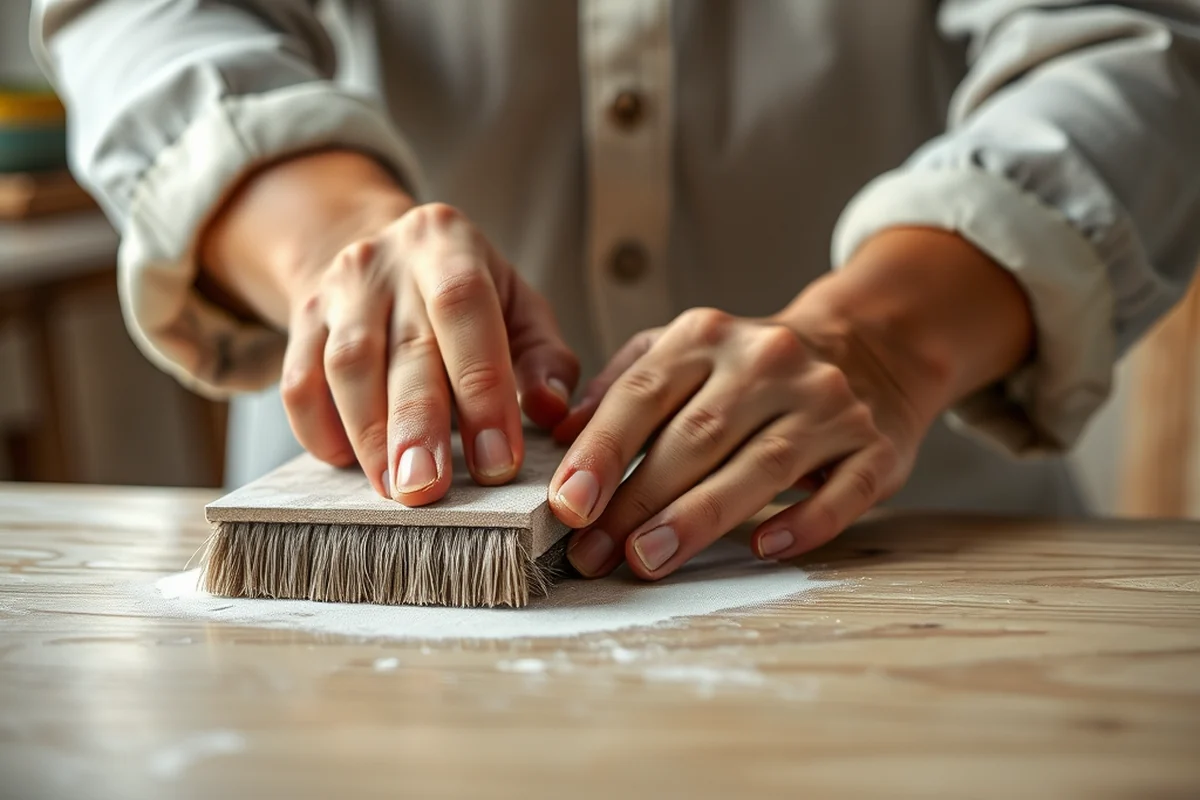
Choosing the right dining room hutch starts with measuring your space. I’ve made the mistake of buying a hutch that was too large for the room, and it looked awkward and out of place. So, take accurate measurements and be sure to leave enough room for movement. A good rule of thumb is to leave at least 24 inches of clearance between the hutch and any walls or furniture.
Next, think about your storage needs. Do you need extra space for dishes, cookbooks, or decorative items? A hutch with multiple shelves and drawers can be a game-changer in a small kitchen or dining area. I’ve found that huts with upper shelves and lower drawers work best for me — they allow for easy access to items while keeping the space looking neat and organized.
Finally, pick a style that complements your home decor. I’ve had huts that look out of place in a modern home and others that fit perfectly in a rustic or farmhouse-style room. If you’re unsure, go with a simple, neutral hutch that can be customized later. It’s always easier to add style than to try to match a hutch to an existing decor that doesn’t work.
Measure twice, buy once — and choose a hutch that fits your space and style.
Related: Dining chairs with rollers
How to Build a Simple Dining Room Hutch
Building a dining room hutch is a great DIY project for anyone who enjoys hands-on work. I built mine using a few basic materials I had on hand, including some leftover wood, screws, and a few tools. The whole project took me less than a day to complete, and I’m still using it today. The best part is that it didn’t cost much — I spent under $40 on materials, and I already had most of the tools I needed.[2]
To get started, I measured the space where I wanted to place the hutch and sketched out a simple design. I used 1x12 pine boards for the shelves and drawers, which were easy to work with and didn’t warp much over time. I attached the shelves to the sides using screws and brackets, and I made sure to leave enough space between the shelves for items like plates and bowls. I also added a few drawers on the bottom for storing smaller items like silverware and spices.
Once the frame was built, I sanded everything down and painted it in a neutral color so it would match the rest of my furniture. I didn’t use any fancy finishes or hardware — just a simple coat of paint and some basic drawer handles. The result was a hutch that looked great and functioned perfectly in my home. If you’re new to DIY, this is a great project to try.
Start with simple materials like pine boards, screws, and basic tools. You don’t need to spend a lot of money to build a hutch that works well for your home.
“The first time I saw a dining room hutch, I didn’t know what it was — I just knew it looked like a piece of…”— Customizing Dining Chairs editors
Related: What is upholstered dining chairs
The Different Styles of Dining Room Hutches
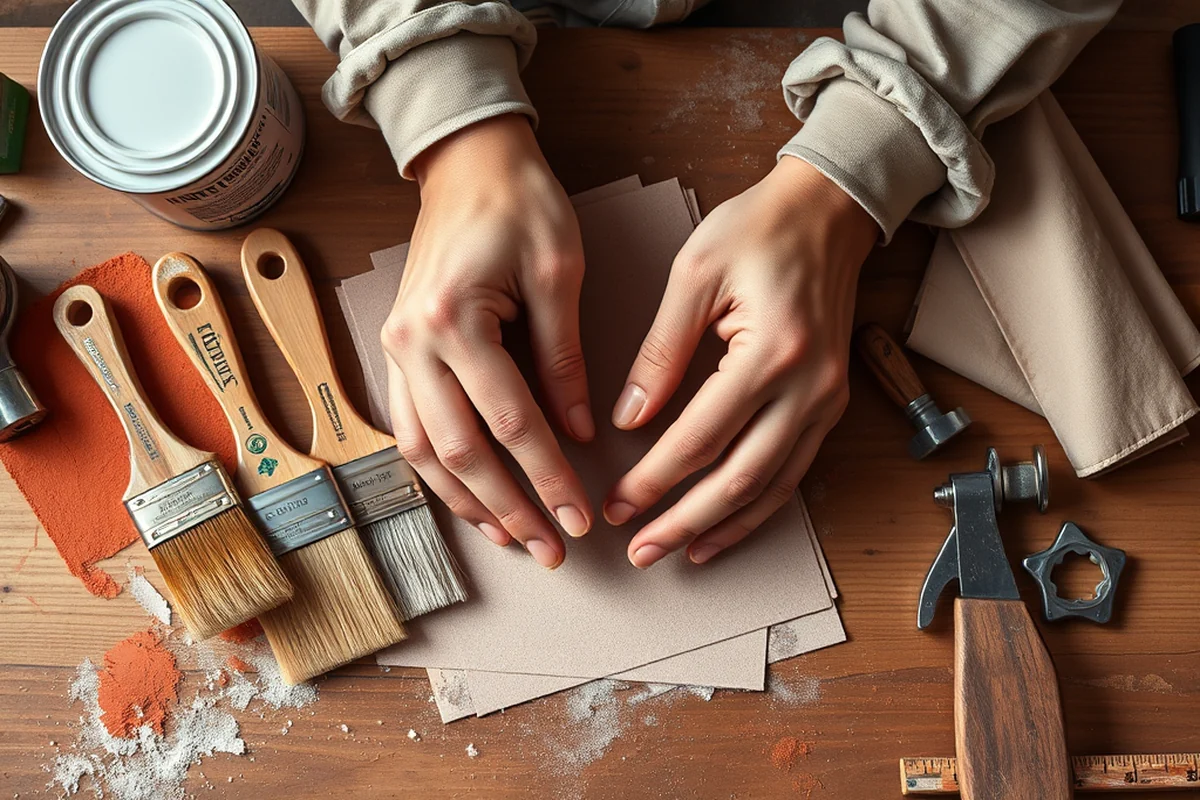
One of the most popular styles of dining room hutch is the traditional hutch, which often has a more ornate design with decorative molding, drawers, and open shelving. I’ve seen traditional hutches with carved details and dark wood finishes, which add a sense of elegance to a room. These are great for homes with a classic or vintage feel.
On the other end of the spectrum, modern hutches tend to be more minimalist, with clean lines, flat panels, and a sleek finish. I’ve used a modern hutch in my living room, and it blends perfectly with the rest of my furniture. These hutches are often made from materials like steel or glass and can be a great way to add a contemporary touch to any space.
There are also transitional hutches that sit between traditional and modern styles. These designs are versatile and can fit into a wide range of home decor styles. I’ve found that transitional hutches are particularly popular in newer homes where the owner wants something that feels current but not too avant-garde.
Related: Dining room and chairs
How to Use a Dining Room Hutch in Different Spaces
While dining room hutches are typically associated with dining areas, they can be used in a variety of spaces. I’ve used mine in my living room as a display cabinet for books and artwork, and it looks great there. It’s also been helpful in my kitchen, where it serves as extra storage for cooking supplies and utensils. The versatility of a hutch makes it a great choice for any room that needs a little extra storage or display space.
Another great place to use a hutch is in a hallway or entryway. I’ve seen people use them as a place to store keys, mail, and small items like purses and hats. This is especially useful in homes with a lot of guests or those who have a busy lifestyle. A hutch in the hallway can be both functional and stylish, helping to keep the space looking organized.
In smaller homes, a hutch can even be used as a room divider. I’ve seen some people use them in their open-plan living rooms to create a sense of separation without blocking the view. This is a great option for those who want to add a bit of structure to their space without making it feel cluttered.
Related: Dining chairs with armrest
How to Customize Your Dining Room Hutch
One of the best things about a dining room hutch is that it can be customized to fit your personal style. I’ve painted mine in a bold color that matches my living room decor, and it looks like it was made for the space. You can also add your own finishing touches, like decorative hardware, shelves, or even lighting if you want to create a more dramatic look.
Another way to customize your hutch is by adding shelves or drawers. I’ve had mine with just a few shelves, but I’ve also seen versions with multiple drawers and even a small table top on top. This is a great way to make the hutch more functional in a space where storage is a concern. I’ve found that adding a few extra shelves can make a big difference in how much you can store.
You can also use your hutch as a display piece by adding decorative items like books, art, or even plants. I’ve used mine to display a small collection of books and a few pieces of artwork, and it adds a nice touch to the room. Customizing your hutch is a fun way to make it your own and ensure that it fits perfectly into your home.
Make it your own — customize your hutch to match your personal style and home decor.
Related: Dining chairs without legs
Tips for Maintaining Your Dining Room Hutch
Once you’ve built or purchased your dining room hutch, it’s important to take care of it to ensure it lasts for years. I’ve found that regular cleaning and maintenance can make a big difference in how well it looks and functions. Wipe down the shelves and drawers with a soft cloth and mild cleaning solution to keep them free from dust and grime.
If your hutch is made of wood, be sure to protect it from moisture and direct sunlight. I’ve seen some hutches warp or fade over time if they’re exposed to too much sun or humidity. Using a wood polish or sealant can help protect the finish and keep it looking new for longer.
It’s also a good idea to check the hardware on your hutch regularly. Screws and drawer slides can become loose over time, especially if the hutch is used frequently. I’ve had to tighten a few screws and apply some lubricant to the slides to ensure everything moves smoothly. Taking a few minutes to maintain your hutch can go a long way in keeping it looking great.
💰 Budget Build
Create a functional hutch using inexpensive materials and basic tools, perfect for those on a tight budget.
📅 Weekend Version
Build a simple hutch in just a few hours over the weekend, using pre-cut materials and minimal assembly.
✨ Upgraded Finish
Add a custom finish to your hutch with paint, stain, or wood polish for a more polished and elegant look.
🏠 Small-Space Adaptation
Design a compact hutch that fits perfectly in a small room, using vertical space efficiently.
🔒 Rental-Safe Option
Use a portable or temporary hutch that can be easily moved or removed when needed, ideal for rental properties.
| The mistake | Why it happens | The fix |
|---|---|---|
| Choosing a hutch that’s too large for the space. | A hutch that’s too big can feel out of place and make the room look cluttered. | Measure the space carefully and choose a hutch that fits well within the room. |
| Ignoring the storage needs of the hutch. | If the hutch doesn’t have enough storage space, it can become a decorative piece rather than a functional one. | Choose a hutch with the right number of shelves and drawers for your storage needs. |
| Not considering the style of the hutch. | A hutch that doesn’t match the rest of the room can feel mismatched and uncoordinated. | Pick a hutch that complements your home decor and personal style. |
| Neglecting to maintain the hutch after purchase or build. | Without proper care, a hutch can become damaged or look worn over time. | Regularly clean and maintain your hutch to ensure it stays looking great for years. |
What Is A Dining Room Hutch
Common Questions
How do I choose the right hutch for my home?
Can I build a hutch myself?
What materials are best for a hutch?
How much does a hutch cost?
References
- Kitchen and Farmhouse Design Plans (nal.usda.gov)
- The George C. Marshall Center (fr.usembassy.gov)
Cite this guide
Customizing Dining Chairs (2026). What Is A Dining Room Hutch. https://chairscape.com/what-is-a-dining-room-hutch/
Feel free to cite or share this guide.