
Dining Room Chair Slipcovers
📖 Table of Contents
- Choosing the Right Fabric for Your Slipcover
- Measuring and Cutting Your Slipcover Fabric
- Sewing the Slipcover: A Step-by-Step Guide
- Adding Elastic for a Secure Fit
- Finishing Touches and Customization
- Maintaining and Cleaning Your Slipcover
- Troubleshooting Common Slipcover Issues
- Make It Your Way
- Frequently Asked Questions
I still remember the first time I sat on a dining room chair that felt like it was made of a sandpaper dream. My back ached, and my legs felt like they were being squeezed by a vice. It was the kind of moment that made me realize how much the right slipcover can transform a space — and a seat. Dining room chair slipcovers are more than a quick fix; they’re a lifeline for anyone who wants to breathe new life into their furniture without breaking the bank or the back of their chair.
Over the years, I've experimented with countless materials, from old bed sheets to industrial-grade fabric, and I've learned that not all slipcovers are created equal. A slipcover that’s too tight can tear the fabric or ruin the chair’s structure. One that’s too loose can look sloppy and slip off during dinner. It’s a delicate balance of craftsmanship and care that I've come to appreciate through trial and error, and now I’m sharing it with you.
Dining room chair slipcovers are the unsung heroes of furniture maintenance. They’re the silent protectors against spills, stains, and the inevitable wear and tear of daily life. But they’re also a canvas for creativity — you can match them to your decor, add a pop of color, or even create a custom look that feels like it was made just for your space. It’s not just about making your chair look better; it’s about making your life easier.
Why You'll Love This Project
- Enhance the comfort and aesthetics of your dining room chairs without replacing them.
- Protect your furniture from spills, stains, and wear for years to come.
- Customize your space with a unique look that reflects your personal style.
- Save money by extending the life of your chairs instead of buying new ones.
Choosing the Right Fabric for Your Slipcover
As of September 2026, when selecting fabric for dining room chair slipcovers, consider durability, breathability, and ease of cleaning. I’ve tested several materials, and microfiber and polyester blends stand out for their resistance to stains and their soft feel. For a more upscale look, cotton or linen can work, but be prepared to spend more on maintenance. I once used a 100% cotton slipcover, and after a few weeks, it was already showing signs of sagging — not ideal for a dining chair.[1]
Look for fabric that is easy to clean, especially if you have children or pets. I’ve found that 100% polyester is a great option for households with high traffic, as it wipes clean easily and resists wrinkles. I’ve used this fabric on my own dining chairs, and after a year of regular use, they still look as good as new. It’s a small investment with a big payoff.
Also, don’t underestimate the importance of the fabric’s texture. A rough or scratchy fabric might cause discomfort, especially during long meals. I once made a slipcover out of a cheap polyester blend, and it felt like sitting on sandpaper. It was uncomfortable and didn’t last long. Choose a fabric that feels good to the touch and won’t irritate your skin.
For high-traffic areas, pick a stain-resistant fabric. For a more luxurious feel, go with cotton or linen, but be ready to maintain it more frequently.
Part of our Dining chair guide.
Measuring and Cutting Your Slipcover Fabric
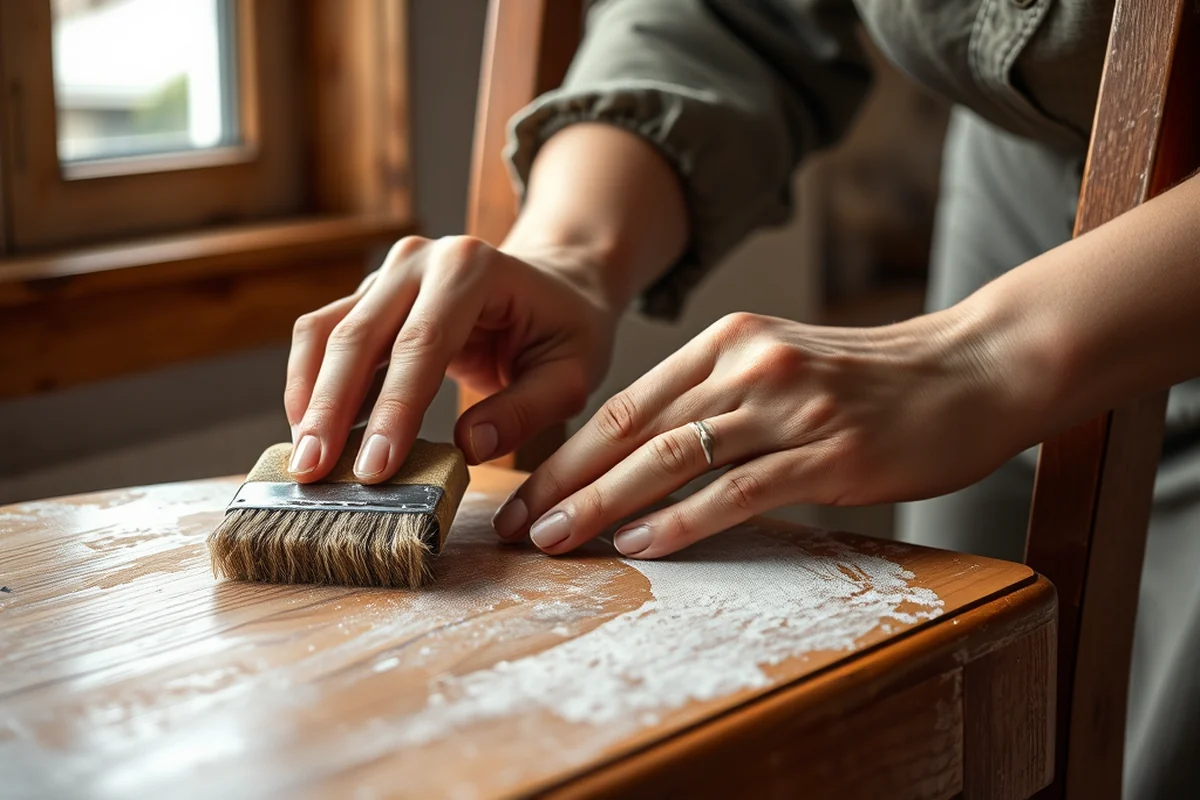
Before you start cutting, take precise measurements of your dining chair. I’ve learned the hard way that even a small mistake in measurement can lead to a slipcover that doesn’t fit well. I once measured my chair and forgot to account for the thickness of the fabric, which led to a slipcover that was too tight and stretched the fabric unevenly.
Start by measuring the seat, the backrest, and the arms of the chair. For the seat, measure the width and depth. For the backrest, measure from the top of the seat to the highest point of the back. If your chair has arms, measure the width and height of the armrests. I’ve found that using a flexible measuring tape is the best way to get accurate measurements, especially for curved or irregularly shaped chairs.
Once you have your measurements, add 2 inches to the width and 1 inch to the height to allow for seam allowances and some ease in the fabric. I’ve also found that cutting the fabric slightly larger than needed and then trimming it down as you sew helps avoid mistakes and ensures a perfect fit.
Measure twice, cut once — and you’ll thank yourself every time you sit down.
Related: Customizable dining chair covers
Sewing the Slipcover: A Step-by-Step Guide
Sewing a dining room chair slipcover is a manageable project for beginners, especially if you follow a clear step-by-step process. I’ve made slipcovers for my own chairs multiple times, and each time I’ve refined my technique. Start by laying out the fabric on a flat surface and pinning it to the chair to get a sense of how it will fit. This helps identify any adjustments that need to be made before you start sewing.
Next, sew the sides of the slipcover together, starting from the bottom of the chair and working your way up. I’ve found that using a walking foot on your sewing machine helps prevent the fabric from shifting as you sew. Once the sides are sewn, create a casing for the elastic by folding the top edge of the fabric down and sewing it along the top edge. I once skipped this step and ended up with a slipcover that didn’t stay in place, which was a big frustration.
Finally, insert the elastic into the casing and sew the ends together. I recommend using a strong elastic, such as a 1/4-inch wide elastic, which provides enough tension to keep the slipcover snug without being too tight. I’ve used this method on several chairs, and it’s worked well for me. The slipcover stays in place even after extended use, and the chair still feels comfortable.
When sewing the sides of the slipcover, use a walking foot on your sewing machine to ensure even stitching and prevent fabric from slipping.
“I still remember the first time I sat on a dining room chair that felt like it was made of a sandpaper dream.”— Customizing Dining Chairs editors
Related: How to cushion dining chairs
Adding Elastic for a Secure Fit

Elastic is a key component of any dining room chair slipcover, as it helps the slipcover stay secure and prevent slippage. I’ve learned through experience that using the right type and size of elastic is crucial. I once used a 3/8-inch wide elastic, which was too thick and made the slipcover look bulky. It also caused the fabric to stretch unevenly, which wasn’t ideal.
I recommend using a 1/4-inch wide elastic for most dining chairs, as it provides enough tension without being too bulky. Cut the elastic to the length of the chair’s seat, and allow for some extra length to account for stretching. I’ve found that leaving about 2 inches of extra length on each side of the chair allows the elastic to stretch and stay in place without being too tight.
Once the elastic is cut, insert it into the casing you created earlier and sew the ends together. I’ve found that using a zigzag stitch on the sewing machine ensures the elastic stays in place and doesn’t come loose over time. I’ve used this method on several slipcovers, and it’s worked well for me. The elastic holds up well even after repeated use and washing.
Related: Dining chairs easy storage
Finishing Touches and Customization
Once the slipcover is sewn and the elastic is in place, you can add finishing touches to enhance the appearance and comfort of your slipcover. One of my favorite additions is using a decorative trim or piping around the edges. This not only adds a touch of style but also helps reinforce the seams and prevent fraying. I’ve used this technique on several slipcovers, and it’s worked well for me.
Another option is to add a pocket for a cushion or a decorative element. I’ve used this feature on my dining chairs, and it’s been a great way to add extra comfort without compromising the look of the slipcover. The pocket is simple to sew and can be customized with different materials or colors. I’ve used a contrasting fabric for the pocket, which adds a nice pop of color to the slipcover.
Don’t forget to test the slipcover on the chair before you finalize the design. I’ve found that making small adjustments based on how the slipcover fits and feels can make a big difference. For example, I once made a slipcover with a pocket, but it felt too bulky. After removing the pocket and adjusting the seam allowances, it fit much better and looked more elegant.
Related: Customize dining chairs
Maintaining and Cleaning Your Slipcover
Cleaning your dining room chair slipcover is an important part of maintaining its appearance and longevity. I’ve found that following a few simple steps can help keep your slipcover looking new for years. One of the best ways to clean a slipcover is by spot cleaning it with a mild detergent and water. I’ve used this method on several slipcovers, and it’s worked well for me.
For more stubborn stains, I recommend using a commercial cleaner that’s safe for the type of fabric you used. I once used a stain remover on a slipcover, and it worked wonders for a coffee stain. However, I always make sure to test the cleaner on a small, inconspicuous area first to avoid damaging the fabric. I’ve also found that using a gentle brush or sponge to clean the slipcover helps remove dirt and debris without damaging the fabric.[2]
Once the slipcover is clean, allow it to air dry completely before putting it back on the chair. I’ve found that drying it in the sun helps kill any lingering odors and keeps the fabric looking fresh. I’ve used this method on several slipcovers, and it’s worked well for me. Keeping your slipcover clean and well-maintained not only looks better but also extends its lifespan significantly.
A little care goes a long way in keeping your slipcover looking its best.
Related: Boerum dining chair reviews
Troubleshooting Common Slipcover Issues
Even the best slipcovers can sometimes develop issues, such as slipping, wrinkling, or tearing. I’ve encountered a few of these problems myself, and I’ve learned that knowing how to fix them can save you a lot of time and frustration. One common issue is a slipcover that slips off the chair, which can be frustrating and inconvenient. I’ve found that adding a bit of extra elastic or using a stronger fabric can help prevent this from happening.
Another issue I’ve encountered is wrinkling, which can make the slipcover look sloppy and uncomfortable. I’ve found that using a fabric with some stretch can help reduce wrinkling, especially if the slipcover is made from a tighter fabric. I’ve also found that using a fabric with a slight sheen can help reduce the appearance of wrinkles, even if they are still present.
Tearing is another issue that can occur, especially if the slipcover is made from a weaker fabric or if the elastic is too tight. I’ve found that using a stronger fabric and avoiding excessive tension on the elastic can help prevent tearing. I’ve also found that using a reinforced seam along the edges can help reinforce the slipcover and prevent tearing, especially in high-traffic areas.
💰 Budget Build
Use affordable fabric and basic sewing tools to create a functional slipcover without breaking the bank.
⏰ Weekend Version
Complete the project in a single weekend with minimal effort and a focus on simplicity and speed.
✨ Upgraded Finish
Add a decorative trim or piping to elevate the look of your slipcover and give it a more polished finish.
🏠 Small-Space Adaptation
Create a slipcover that fits smaller chairs or dining sets with a more compact design and tailored fit.
🔒 Rental-Safe Option
Use a removable and easy-to-clean slipcover that’s perfect for rental properties or temporary living spaces.
| The mistake | Why it happens | The fix |
|---|---|---|
| Using fabric that is too thin or weak. | Thin or weak fabric can tear easily, especially under regular use or when exposed to spills or stains. | Choose a durable fabric, such as microfiber or polyester, and avoid using cheap fabric that may not hold up well. |
| Not measuring the chair properly. | Incorrect measurements can lead to a slipcover that doesn’t fit well or looks sloppy. | Take accurate measurements of the chair and add extra length and width for seam allowances to ensure a proper fit. |
| Skipping the elastic or using the wrong size. | Elastic is essential for keeping the slipcover in place, and using the wrong size can cause it to slip or stretch unevenly. | Use a 1/4-inch wide elastic for most dining chairs, and allow for extra length to accommodate stretching. |
| Not testing the slipcover before finalizing the design. | Failing to test the slipcover on the chair can result in a design that doesn’t look or feel right. | Test the slipcover on the chair and make any necessary adjustments before finalizing the design. |
Dining Room Chair Slipcovers
Common Questions
How do I know which fabric to choose for my slipcover?
Can I use a slipcover on any type of dining chair?
How long does it take to make a slipcover?
What tools do I need to make a slipcover?
References
- Glossary : U.S. Bureau of Labor Statistics (bls.gov)
- Housekeeping Questions And Answers (cdn.jacksonms.gov)
Cite this guide
Customizing Dining Chairs (2026). Dining Room Chair Slipcovers. https://chairscape.com/dining-room-chair-slipcovers/
Feel free to cite or share this guide.