
Can You Reupholster Dining Chairs
📖 Table of Contents
- The Basics of Reupholstering Dining Chairs
- Choosing the Right Materials
- The Importance of Proper Cushioning
- The Step-by-Step Process of Reupholstering
- Adding the Final Touches
- Tips for a Successful Reupholstering Project
- The Benefits of Reupholstering Dining Chairs
- Make It Your Way
- Frequently Asked Questions
I still remember the moment I sat down in my first dining chair after reupholstering it — the softness of the fabric, the way the cushion hugged my body. The quiet satisfaction of knowing I had done it all myself. That chair had been a sad relic of a long-forgotten furniture store, but with a little patience and a few tools, I transformed it into something that felt brand new. The question of 'can you reupholster dining chairs' has always been on my mind, and after experimenting with different fabrics and techniques, I can confidently say yes, you absolutely can. Reupholstering isn't just about making your chairs look better; it's about giving them a second life and making your home feel more personal.[3]
I've tried many different methods over the years, from using leftover fabric from a past project to buying new upholstery material from a local store. Each time, I've learned something new — like how important it is to measure accurately or how much difference the right cushioning can make. Reupholstering dining chairs can be a surprisingly simple DIY project, especially if you're working with a chair that already has a frame in good condition. If you're wondering whether you can tackle this yourself, the answer is a resounding yes — as long as you're willing to take the time to learn the process and follow the steps carefully.[4]
For those of you who are new to reupholstering, the process might seem intimidating at first, but it's actually quite manageable. I've found that the key to success is preparation — taking the time to disassemble the chair, measure everything properly, and choose the right materials. The question 'can you reupholster dining chairs' is one that I've asked myself many times. Every time I've answered it with a firm 'yes' — because with the right tools, materials, and a bit of patience, you can absolutely transform your dining room without breaking the bank.
Why You'll Love This DIY Project
- Transforming outdated chairs into stylish, personalized pieces
- Saving money instead of buying brand new furniture
- Adding comfort and durability to your dining room
- Gaining a sense of accomplishment and creativity
The Basics of Reupholstering Dining Chairs
As of August 2026, before you begin reupholstering, it's important to take apart your chair completely. This means removing any fabric, foam, or padding that's currently on the frame. I've found that using a small screwdriver and a pair of pliers makes this process much easier. Once everything is off, take precise measurements of the seat, backrest, and any additional parts like armrests. This is a crucial step because having accurate measurements will ensure that your new upholstery fits perfectly.
After taking measurements, it's time to choose your fabric and padding. I've used everything from leftover pieces of fabric to purchased upholstery fabric, and both can work well depending on your budget and aesthetic preferences. I've found that choosing a fabric with some stretch can make the fitting process easier, especially if you're working with a chair that has curves or complex shapes.
Once you've selected your fabric and padding, it's time to cut and sew the pieces. I've used a basic sewing machine for most of my projects, but I've also hand-sewn some pieces for a more custom look. This is where patience really comes in — taking the time to make sure your seams are even and your fabric is taut will make a big difference in the final result.
When marking your fabric for cutting, use a fabric marker instead of a regular pen. This will give you clearer lines to follow, especially if you're working with a fabric that has a pattern or texture.
Part of our Dining chair guide.
Choosing the Right Materials
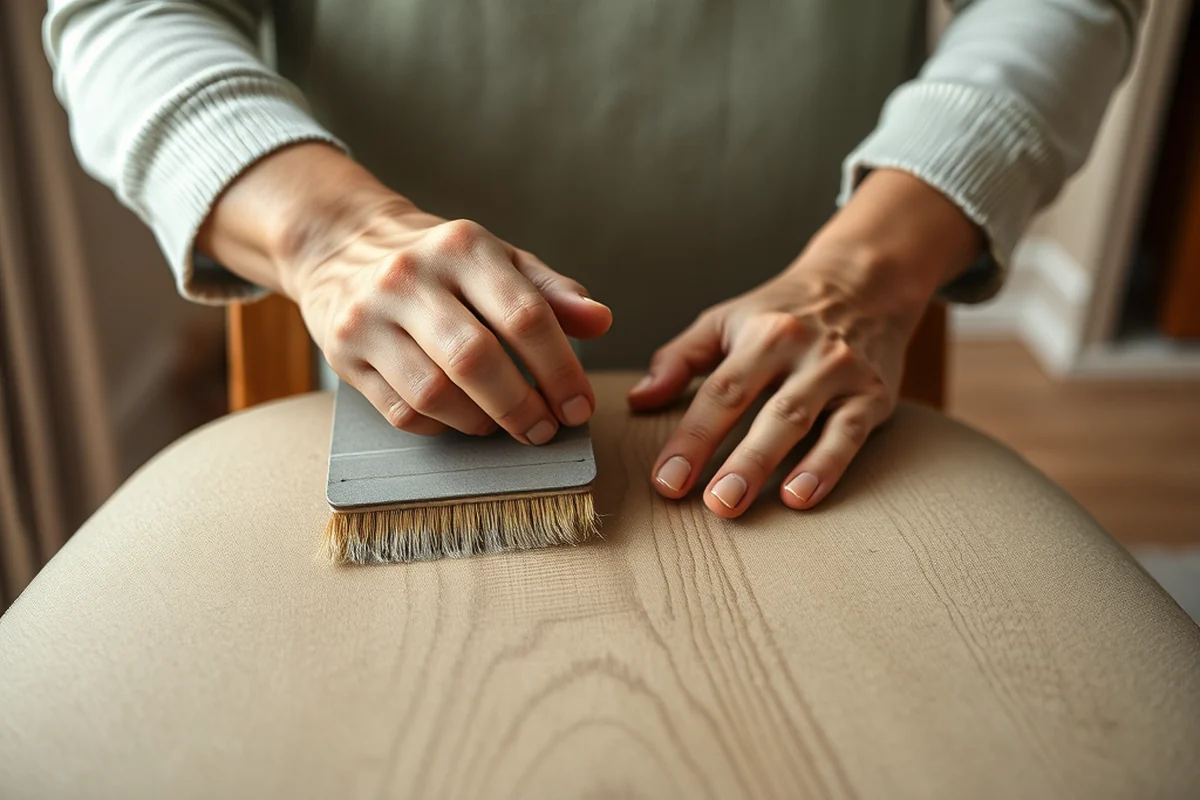
With fabric, I've found that cotton and polyester blends are excellent choices for dining chairs because they are durable and easy to clean. I've also used velvet and microfiber for a more luxurious feel, but these materials require more care. It's important to consider how often the chairs will be used — if you're reupholstering chairs for a dining room that gets a lot of traffic, a more durable fabric is a must.
For padding, I've used foam and batting in my projects. Foam provides firm support, which is great for dining chairs, while batting adds softness. I've found that using a combination of foam and batting gives the best of both worlds — firm support with a comfortable feel. I've also used memory foam in some of my projects, and it's been a game-changer for comfort.
Another factor to consider is the color and pattern of your fabric. I've found that neutral colors like beige, gray, and white are versatile and easy to match with other decor. If you're looking to make a bold statement, a patterned fabric can be a great choice — just make sure it's not too busy, or it might look cluttered in your dining room.
Choose a fabric that's both beautiful and functional — your dining chairs will thank you.
Related: Dining chairs easy storage
Related: Dining chairs kmart
Related: Dining chairs without upholstery
Related: Dining chairs set for 4
Related: What is standard dining chair height
Related: Custom Dining Chairs Melbourne
Related: Reupholster Dining Chairs Diy
Related: Can You Scotchgard Dining Chairs
Related: Can Dining Chairs
Related: Disney Dining Plan
Related: Modern Dining Chairs
Related: What Is In Table Tennis
Related: Dining Chairs Near Me Cheap
Related: Affordable Dining Options
Related: What Is A Booth Seating
Related: Bar Table And Chairs
The Importance of Proper Cushioning
I've learned the hard way that without proper cushioning, your dining chairs can feel uncomfortable and even cause back pain over time. I've used foam pads that are 1.5 inches thick in most of my projects, and I've found that this thickness provides the right amount of support. If you're working with a chair that already has some padding, you can reuse it if it's in good condition — just be sure to clean it thoroughly before using it again.
Another thing to consider is the type of cushioning material you use. I've found that memory foam is an excellent choice for cushioning because it conforms to the shape of your body and provides even support. However, memory foam can be a bit more expensive than regular foam, so it's a matter of budget. I've also used batting in some of my projects to add extra softness — just be sure to secure it properly so it doesn't shift around.
Proper cushioning also helps to prevent the fabric from sagging over time. I've found that using a combination of foam and batting gives the best results — the foam provides structure, while the batting adds comfort. This is especially important for dining chairs, which are often used for long meals or gatherings.
To keep your padding in place, use upholstery tape to secure the edges of the foam and batting. This will prevent them from shifting around and ensure that your cushions remain firm and comfortable.
“I still remember the moment I sat down in my first dining chair after reupholstering it — the softness of the fabric, the way the…”— Customizing Dining Chairs editors
Related: Reupholster Dining Chairs How To
Related: Personalised Dining Chairs
The Step-by-Step Process of Reupholstering
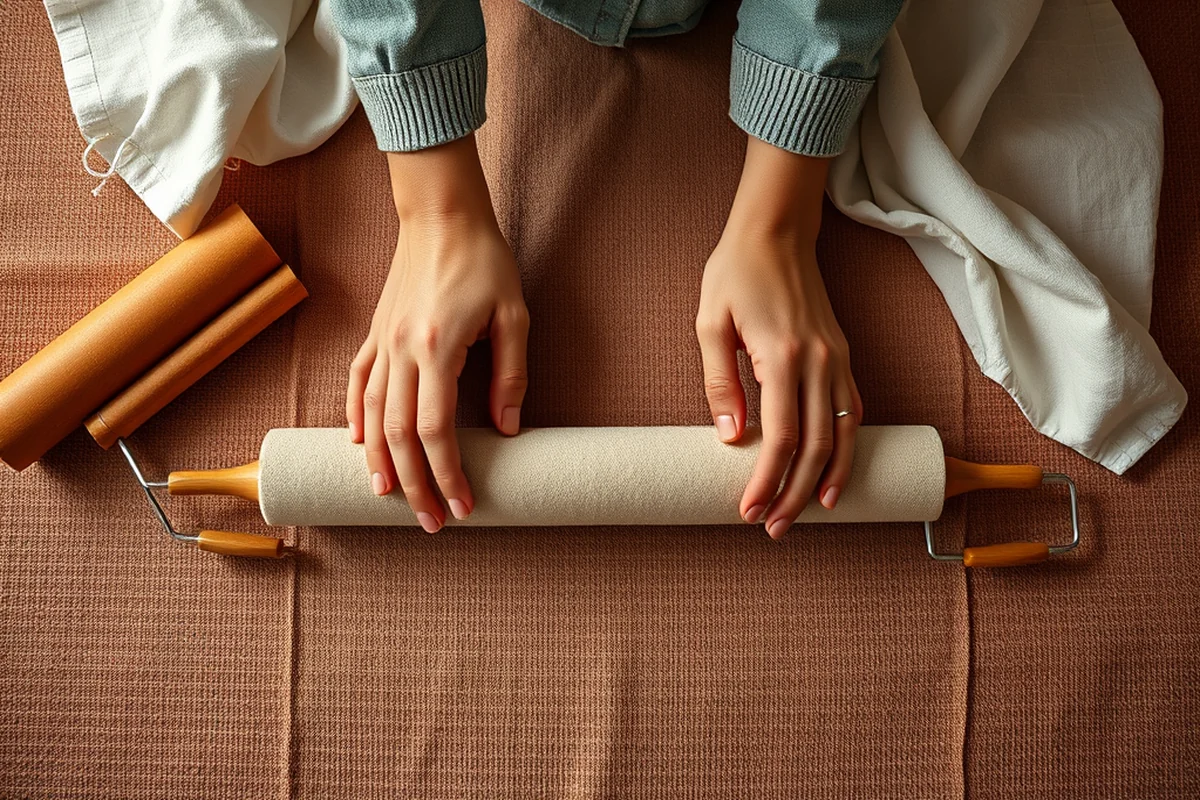
Once you've measured your chair and selected your fabric and padding, it's time to cut the pieces. I've found that using a sharp pair of scissors and a ruler is essential for making clean, precise cuts. I've also used a cutting mat to protect my work surface. Once the fabric is cut, it's time to attach the padding. I've used a staple gun for most of my projects, and it's been very effective — just be sure to use the right staples for the type of fabric you're working with.
After the padding is attached, it's time to sew the fabric. I've used a basic sewing machine for most of my projects, but I've also hand-sewn some pieces for a more custom look. I've found that using a zigzag stitch is a great way to secure the fabric to the padding — this helps prevent the fabric from unraveling over time. I've also used a sewing machine to attach the fabric to the chair frame, which has been very effective.
Once the fabric is sewn, it's time to attach it to the chair frame. I've used a staple gun for this step, and it's been very effective. I've found that securing the fabric in several places — especially around the edges and corners — ensures that it stays in place. Once everything is attached, it's time to test your chair — sit down and check for comfort and durability.
Adding the Final Touches
After the fabric is attached, it's time to add any additional details like buttons or decorative trim. I've used buttons in some of my projects, and they add a nice touch of elegance. I've also used decorative trim to give my chairs a more finished look — just be sure to choose a trim that matches your fabric and style.
I've also found that using a fabric protector spray is a great way to extend the life of your reupholstered chairs. This helps protect the fabric from stains and spills, which is especially important for dining chairs that are used frequently. I've also used a fabric steamer to remove wrinkles and give the fabric a smooth, finished look.
Once everything is attached, it's time to test your chair. Sit down and check for comfort and durability. I've found that testing your chair before you're done is a great way to catch any issues early on. If everything looks good, you can move your chairs back into place and enjoy your new, reupholstered dining room.
Tips for a Successful Reupholstering Project
One of the most important tips I've learned is to take your time. Rushing through the process can lead to mistakes, so it's better to work slowly and carefully. I've found that working in a well-lit area is also important — it helps you see the details clearly and make sure everything is aligned properly.
Another tip is to use the right tools for the job. I've found that using a staple gun, a sewing machine, and a sharp pair of scissors are essential for most reupholstering projects. I've also found that using a cutting mat and a ruler are important for making clean, precise cuts.
Finally, I recommend taking photos of your project as you go — this can help you track your progress and make sure everything is looking good. I've found that taking photos is a great way to catch any mistakes early on and make corrections before it's too late.[1]
Take your time, use the right tools, and enjoy the process — your reupholstered chairs will look great.
The Benefits of Reupholstering Dining Chairs
One of the biggest benefits of reupholstering dining chairs is the cost savings. Instead of buying brand new chairs, you can give your old ones a new look for a fraction of the cost. I've found that reupholstering a chair can cost as little as $40, which is a significant savings compared to buying a new one.[2]
Another benefit is the increased comfort that comes with reupholstering. I've found that using the right fabric and padding can make a big difference in how comfortable your chairs feel. This is especially important for dining chairs that are used frequently — you want them to be both comfortable and durable.
Reupholstering also gives you a chance to customize your chairs to match your personal style. Whether you're going for a modern look or a more traditional one, reupholstering allows you to create something that's uniquely yours. This is a great way to add personality to your dining room and make it feel more like home.
💰 Budget Build
Use affordable materials like leftover fabric and basic foam for a quick and inexpensive reupholstering project.
⏰ Weekend Version
Complete the project in a single day with pre-cut materials and a simple fabric choice.
✨ Upgraded Finish
Add decorative buttons or trim for a more polished and elegant look.
🛋️ Small-Space Adaptation
Choose compact and lightweight materials for chairs that fit well in smaller dining areas.
🏠 Rental-Safe Option
Use durable, easy-to-clean fabrics that can withstand frequent use and are suitable for rental spaces.
| The mistake | Why it happens | The fix |
|---|---|---|
| Not measuring accurately before cutting fabric | Inaccurate measurements can lead to fabric that doesn't fit properly, causing gaps or puckering. | Take precise measurements of the chair and double-check them before cutting the fabric. |
| Using the wrong type of padding | Using padding that is too thin or too thick can affect the comfort and appearance of the chair. | Choose padding that is the right thickness for your chair and type of fabric you're using. |
| Skipping the step of securing the fabric with upholstery tape | Without proper securing, the fabric can shift or come loose over time. | Use upholstery tape to secure the edges of the fabric and padding to the chair frame. |
| Not testing the chair after reupholstering | Failing to test the chair can result in uncomfortable or unstable seating. | Always sit in the chair after reupholstering to ensure it's comfortable and secure. |
Can You Reupholster Dining Chairs
Common Questions
How long does it take to reupholster dining chairs?
Can I use any type of fabric for reupholstering?
Do I need any special tools for reupholstering?
Is reupholstering a good option for beginners?
References
- Correctional Retail Showroom | NH Department of Corrections (corrections.nh.gov)
- Selecting Metal Furniture - USU Digital Commons (digitalcommons.usu.edu)
- COMMODITY CODES (finadmin.lafayette.edu)
- Home & Garden - GTCC (gtcc.edu)
Cite this guide
Customizing Dining Chairs (2026). Can You Reupholster Dining Chairs. https://chairscape.com/can-you-reupholster-dining-chairs/
Feel free to cite or share this guide.