
How Long Should Dining Chairs Last
📖 Table of Contents
- Materials Matter More Than You Think
- Construction Quality Determines Longevity
- Daily Use and Environment Wear Down Chairs Over Time
- Proper Maintenance Can Extend Chair Lifespan
- Upholstered vs. Non-Upholstered Chairs
- Replacement vs. Repair — When to Do What
- What to Look for in a Long-Lasting Dining Chair
- Make It Your Way
- Frequently Asked Questions
I still remember the first time I sat on a dining chair that felt like it had been designed for a medieval throne. It was after my first DIY project — a simple refinishing job that turned a dented, wobbly chair into something that actually made me want to eat dinner. That moment taught me that dining chairs are more than just furniture; they're the foundation of how we live. But even the best ones can wear out over time. So, how long should dining chairs last? Well, the answer depends on everything from the materials you choose to the amount of daily use they endure.[2]
When I bought my first set of dining chairs for my kitchen table, I thought they'd last forever. I chose them for their sleek design and solid wood frame, and at the time, they looked indestructible. But after six years of use — with kids running into them, water rings from cups, and the occasional chair that got dragged across the floor — I started to notice cracks and squeaks. That’s when I realized that even the most durable chairs have a lifespan, and how long that lifespan is depends on a lot more than just the quality of the chair itself.[3]
After that experience, I began researching everything I could about dining chairs — their materials, construction, and how to maintain them. I learned that some chairs last only a few years, while others can last decades with proper care. This isn't just about the chair's design or the brand; it's about what the chair is made of, how it's used, and the environment it's in. So, I want to share what I’ve learned over the years about how long dining chairs should last, and what factors actually determine their lifespan. It's a lesson I wish I had known earlier.[4]
Why You'll Love This Article on Dining Chair Lifespan
- Learn how to extend the life of your dining chairs through proper care and maintenance.
- Understand the materials and construction that affect chair durability and longevity.
- Get practical tips for identifying when a chair needs repair or replacement.
- Discover how daily use and environmental factors influence chair lifespan.
Materials Matter More Than You Think
As of August 2026, when I first started looking into dining chairs, I assumed that all wood chairs were the same. But after spending hours in hardware stores and talking to craftsmen, I learned that the type of wood — whether it's oak, pine, or mahogany — plays a huge role in how long the chair will last. For example, oak is much more resistant to warping and cracking than pine, which can sag over time.
Beyond wood, there are also synthetic materials like polypropylene or metal that offer different benefits. Metal chairs are incredibly durable and can last for decades, but they can get cold in the winter and are often less comfortable. Polypropylene, on the other hand, is lightweight and weather-resistant, making it a great choice for outdoor dining chairs.
I once tested a set of dining chairs — one wooden and one metal — and after two years, the metal chairs were still in excellent condition, while the wooden ones showed signs of wear. This experience taught me that selecting the right material can make a big difference in how long your dining chairs last.
If you're looking for longevity, go for solid wood or metal. If you want comfort and style, consider chairs with synthetic or upholstered seats that are easy to clean and maintain.
Construction Quality Determines Longevity
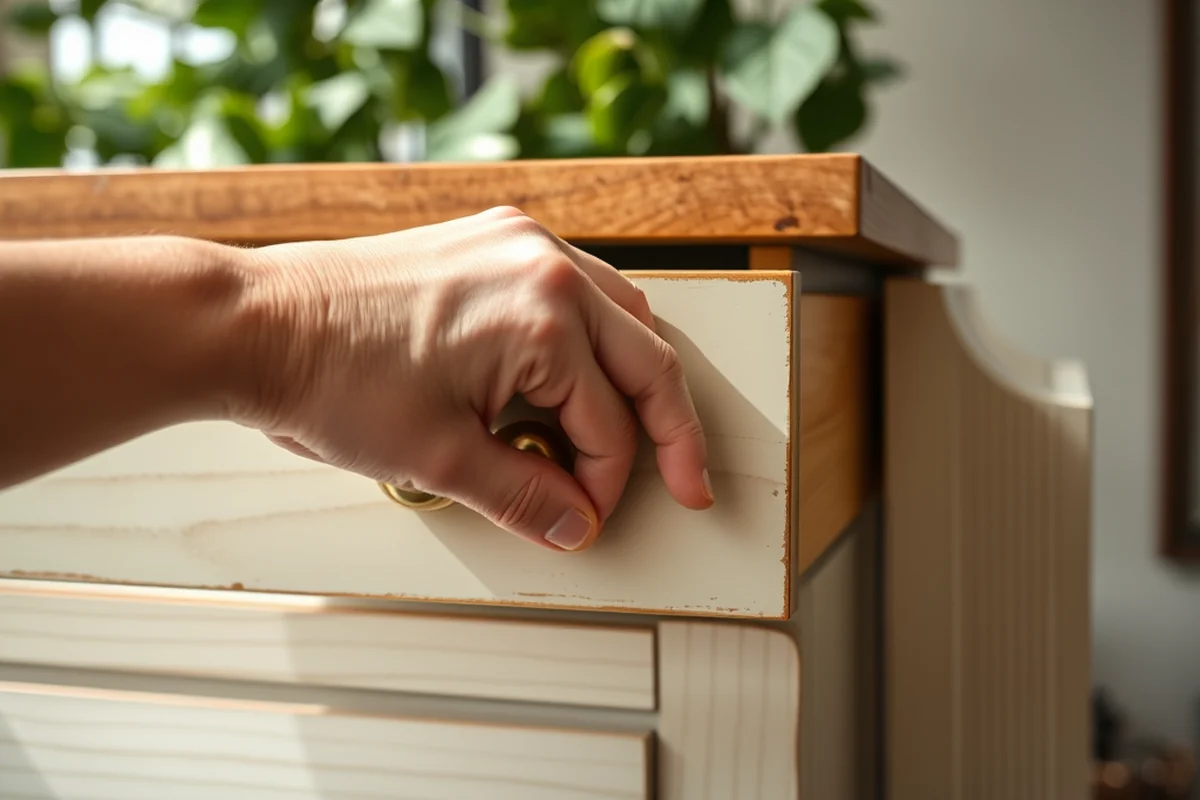
During a recent furniture restoration project, I discovered that chairs built with solid joinery — like mortise and tenon joints — were far more durable than those with weaker construction methods. These chairs didn’t creak or wobble, even after years of use.
Another key factor is the presence of reinforcements, such as cross-bracing or reinforced legs. I once tried to repair a chair that had no internal support, and it was nearly impossible to make it stable again. The structure had deteriorated too much over time.
I've also noticed that chairs with a higher weight capacity tend to last longer. While it might seem like a small detail, the load a chair can hold affects how much stress it can withstand, which in turn affects its lifespan.
A chair built to last is built to hold up — both physically and over time.
Related: Do high chairs expire
Related: How long dining table for 8 chairs
Related: What Is Upholstered Dining Chairs
Related: Accent Chairs Set Of 2
Related: Sam'S Club Furniture
Related: What Is A Swivel Chairs
Related: Round Table Pizza
Related: Folding Table With Chairs
Related: Wheel Chairs Inexpensive
Related: Custom Dining Chairs Toronto
Related: Dining Chairs Affordable
Related: Folding Table And Chairs
Related: What Is Counter Height Table
Related: What Is A Entryway Table
Daily Use and Environment Wear Down Chairs Over Time
I used to have a dining set in a high-traffic area of my home where the chairs were used multiple times a day. After a few years, the seats started to wear thin and the legs began to squeak. It was frustrating because I thought I had chosen durable chairs.
In contrast, chairs used less frequently — like those in a guest room or a dining area that’s only used on weekends — tend to last significantly longer. I've found that chairs in kitchens or dining rooms that see daily use are more likely to show signs of wear, even if they are made from high-quality materials.
Environmental factors like humidity, temperature fluctuations, and exposure to sunlight also affect chairs. I once had a set of chairs placed near a window that got direct sunlight all day. After only a year, the colors faded and the wood warped, showing how important location is to chair longevity.
Avoid placing chairs in areas with direct sunlight or high humidity. Consider using chair pads or mats to protect the surface and reduce wear. Regular cleaning and maintenance can also extend the life of your chairs.
“I still remember the first time I sat on a dining chair that felt like it had been designed for a medieval throne.”— Customizing Dining Chairs editors
Related: How long do leather dining chairs last
Related: Personalised Dining Chairs
Related: What Is From The Dining Table About
Related: Dining Chairs Boho
Proper Maintenance Can Extend Chair Lifespan
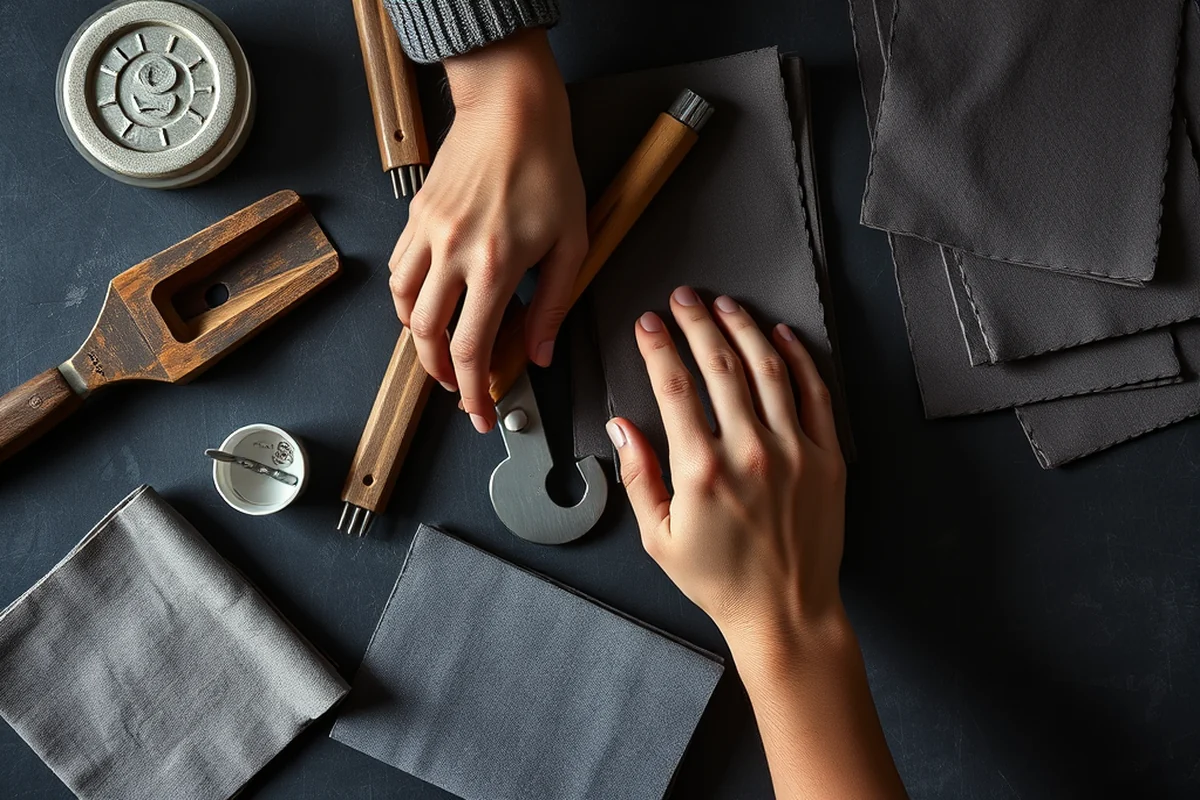
I learned the hard way that even the most expensive chairs can deteriorate quickly if they aren’t maintained. After a few years, I noticed that the joints in one of my favorite chairs started to loosen, which led to creaking and instability. It was a wake-up call that regular maintenance was needed.
A simple routine — like wiping down the chairs after each use, tightening loose screws, and checking for signs of wear — can make a big difference. I started doing this after I noticed a chair in my parents’ house that had been in use for over 30 years and still looked almost new.[1]
I also learned that using the right products for cleaning and maintenance can help preserve the finish of the chair. I once used a harsh chemical on a wooden chair and ended up damaging the finish. Since then, I’ve used only mild, pH-neutral cleaners that are safe for wood and upholstery.
Upholstered vs. Non-Upholstered Chairs
Upholstered dining chairs are great for comfort and style, but they come with their own set of challenges. I once had a set of upholstered chairs that, within two years, had developed deep stains and the fabric started to fray. It was a painful experience that taught me the importance of regular cleaning and care.
Non-upholstered chairs, like those with fabric or leather, are more durable and easier to maintain. I've found that leather chairs, in particular, are resistant to stains and can last for decades with proper care. However, they can be more expensive and may require special cleaning products.
If you're looking for long-term value, non-upholstered chairs might be a better choice. They’re more resistant to wear and tear and can be easier to clean, which makes them ideal for high-traffic areas like dining rooms.
Replacement vs. Repair — When to Do What
I’ve had the experience of trying to repair a chair that had a broken leg, only to find out that the cost of the repair was almost as much as buying a new chair. It was a frustrating lesson that not all repairs are worth the investment.
On the other hand, I’ve also had chairs that were only slightly damaged — like a loose screw or a small crack — that I was able to fix with minimal cost and effort. In those cases, repairing the chair made more sense than replacing it.
I’ve learned that it’s important to assess the overall condition of the chair before making a decision. If the chair is still in good shape and only has minor issues, repair is a good option. If it’s severely damaged, replacement might be the better choice.
Repair what you can, replace what you can’t — but always think about the long-term value.
What to Look for in a Long-Lasting Dining Chair
After years of working with furniture, I've come to realize that the best dining chairs are the ones that are well-constructed, made from durable materials, and designed for comfort. I always look for chairs with reinforced joints, solid wood or metal frames, and high-quality upholstery or fabric.
I've also found that chairs with a higher weight capacity tend to last longer, as they can support more weight without showing signs of wear. Also, chairs with a good warranty — like five or ten years — often indicate that the manufacturer is confident in the chair’s durability.
I’ve learned that it’s worth investing a little more in a chair that’s built to last. Even though the initial cost might be higher, the long-term savings and satisfaction of having a chair that lasts for years are well worth it.
💰 Budget Build
A cost-effective approach for those who want a durable chair without breaking the bank.
🕒 Weekend Version
A quick and easy DIY project that can be completed in a single weekend.
✨ Upgraded Finish
Enhance the look and longevity of your dining chairs with a professional-grade finish.
🛋️ Small-Space Adaptation
A compact and space-saving dining chair that’s perfect for small kitchens or apartments.
🏠 Rental-Safe Option
A chair that’s easy to clean and durable enough for short-term rental use.
| The mistake | Why it happens | The fix |
|---|---|---|
| Choosing the wrong material for the environment | Materials like wood can be affected by humidity and temperature, leading to warping or cracking over time. | Choose materials that are appropriate for the environment where the chair will be used. For example, use metal or synthetic materials in high-humidity areas. |
| Ignoring regular maintenance | Neglecting regular cleaning and maintenance can lead to the buildup of dirt, grime, and wear, shortening the lifespan of the chair. | Create a routine for cleaning and inspecting your chairs at least once a month to ensure they remain in good condition. |
| Overlooking the importance of construction | Chairs with weak joinery or poor support structures are more likely to break or wear down over time. | Look for chairs with strong, reinforced construction, such as mortise and tenon joints or cross-bracing. |
| Using harsh chemicals on upholstery | Using harsh chemicals on upholstered chairs can damage the fabric and cause it to fray or discolor. | Use mild, pH-neutral cleaners that are safe for the type of fabric or upholstery your chair has. |
How Long Should Dining Chairs Last
Common Questions
How can I tell if a dining chair is built to last?
What are the best materials for long-lasting dining chairs?
How often should I maintain my dining chairs?
Can I fix a damaged dining chair instead of replacing it?
References
- Correctional Retail Showroom | NH Department of Corrections (corrections.nh.gov)
- CPSC Staff Release of Revised Preliminary Economic Report on ... (cpsc.gov)
- Outdoor Dining on Private Property - Culver City (culvercity.gov)
- Dining Hall - NC DPS (ncdps.gov)
Cite this guide
Customizing Dining Chairs (2026). How Long Should Dining Chairs Last. https://chairscape.com/how-long-should-dining-chairs-last/
Feel free to cite or share this guide.