
For Dining Table Decor
📖 Table of Contents
I remember the first time I sat down at a dining table that felt truly mine. It wasn’t the wood or the chair that made the difference—it was the way the table was decorated. A simple bowl of wildflowers, a candle in a vintage jar, and a few carefully chosen books made the space feel like a sanctuary for meals and conversation. That’s the power of dining table decor: it transforms a functional piece of furniture into a reflection of your personality, style, and even your values. With the right touches, you can make your dining area feel warm, inviting, and uniquely yours.[1]
Decorating a dining table isn’t just about aesthetics—it’s about creating a space that encourages connection. Whether it’s a cozy dinner for two or a lively family gathering, the way you decorate your table can influence the mood and the flow of the meal. I’ve spent countless weekends experimenting with textures, colors, and materials, learning what works and what doesn’t. The key is to balance practicality with personal flair, and that’s what I want to share with you.[2]
In this article, I’ll guide you through the process of creating a dining table decor that’s both beautiful and functional. From choosing the right materials to layering textures and colors, I’ll break down each step with real-world experience and specific techniques that have worked for me. Whether you’re starting from scratch or looking to refresh your current setup, this guide is designed to help you make thoughtful, long-lasting choices that enhance your dining space.[3]
Why You'll Love This Dining Table Decor Guide
- Learn how to make your dining area a space that reflects your personality and style.
- Discover practical and creative ways to layer textures, colors, and materials.
- Get step-by-step guidance on choosing and arranging decor that is both functional and visually appealing.
- Avoid common mistakes and create a table that feels like home every time you sit down.
Choosing the Right Decor Elements
As of October 2026, with dining table decor, the first step is choosing the right elements that align with your style and the function of the table. I always start by evaluating the existing space and considering how the decor will interact with it. For example, if your table is in a bright, sunlit room, I lean towards cooler tones and reflective materials like glass or metal. In a darker room, warm colors and natural fibers like wood or woven textiles work better.[4]
I've found that mixing textures and materials is key to creating a visually engaging table. For instance, pairing a rustic wooden tray with a sleek ceramic bowl can create an interesting contrast. The goal is to balance the visual and tactile experience, making the table feel both inviting and intentional. I personally use a set of woven coasters and a few ceramic plates to add layers of texture and interest.
It's also important to think about the purpose of the decor. If the table is used for daily meals, I prioritize practical elements like a durable table runner and easy-to-clean materials. For special occasions, I might add more decorative elements like a centerpiece or a set of decorative plates. This approach allows the decor to be both functional and aesthetically pleasing, depending on the occasion.
Take a moment to evaluate your room's lighting and existing decor. This will help you choose materials that complement the space and enhance the overall look of the table.
Part of our Dining table guide.
Creating the Right Atmosphere
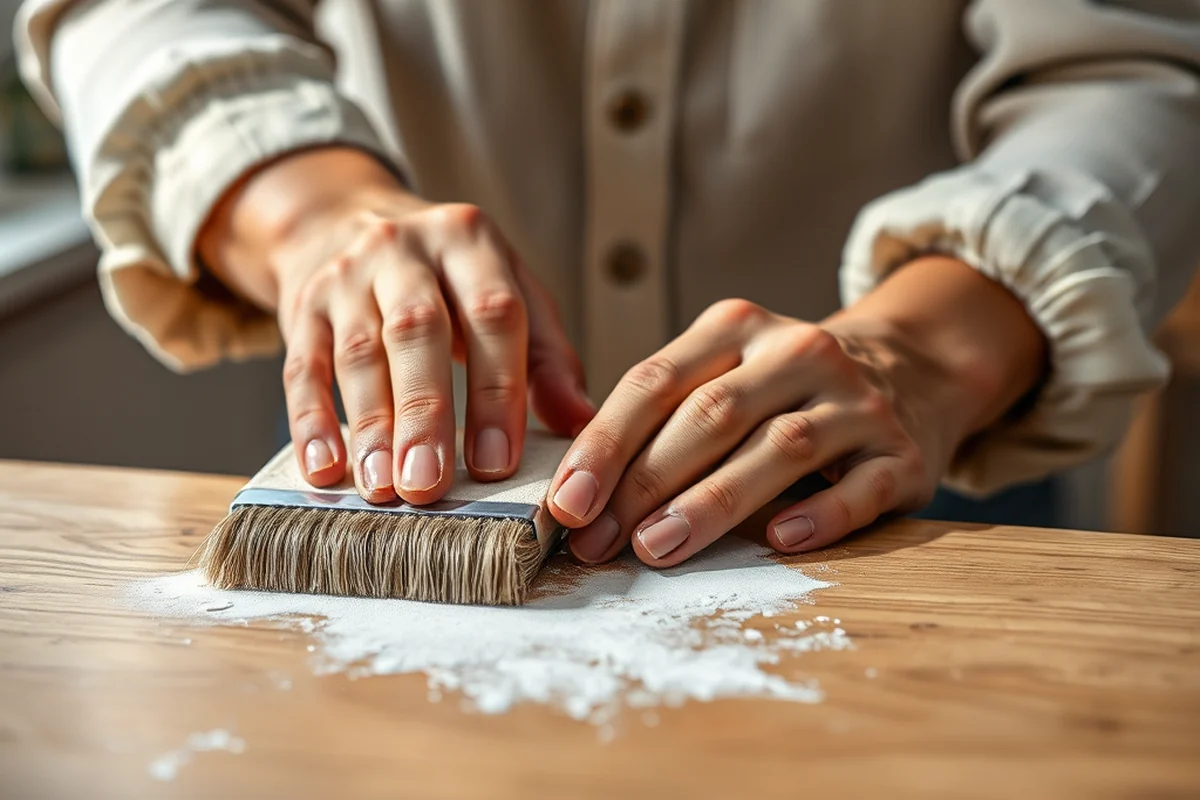
Lighting plays a crucial role in setting the mood at the dining table. I always make sure to incorporate both ambient and task lighting. For example, I use a combination of overhead pendant lights and small LED candles to create a warm, inviting glow. These subtle touches can transform the space from functional to cozy in an instant.
Color is another element that can dramatically affect the atmosphere of the dining table. I prefer using neutral tones for the base of the decor, such as white or cream table runners, and then adding pops of color through accessories like vases or decorative plates. This creates a balanced and harmonious look that feels intentional but not overdone.
Scent is an often-overlooked element in table decor. I've found that using a scented candle or a small diffuser with a subtle, calming scent like lavender or vanilla can enhance the overall experience. Not only does it add a nice sensory element, but it can also make the space feel more inviting and welcoming.
Lighting, color, and scent can turn a regular dining table into a space that feels like home.
Related: What is a side table
Layering Textures and Colors
Layering different textures and colors is a great way to add depth and visual interest to your dining table. I typically start with a solid base, like a plain tablecloth or a simple runner, and then add layers of fabric, glass, and natural elements. This creates a dynamic composition that feels rich and inviting.
I've found that using a variety of colors can help create a visually appealing table. For example, I might use a neutral base and then add pops of color through decorative plates, vases, or even napkins. This approach allows the decor to feel cohesive while still being visually engaging. I personally prefer using a combination of warm and cool tones to create a balanced look.
When layering textures, it's important to consider how each element interacts with the others. For instance, pairing a rough-textured rug with a smooth ceramic plate can create an interesting contrast. This technique not only adds visual interest but also makes the table feel more tactile and engaging.
Use a mix of smooth, rough, and soft textures to create a visually interesting and tactile dining table. This approach adds depth and makes the space feel more dynamic.
“I remember the first time I sat down at a dining table that felt truly mine.”— Customizing Dining Chairs editors
Related: Outdoor table and chairs
Incorporating Personal Touches
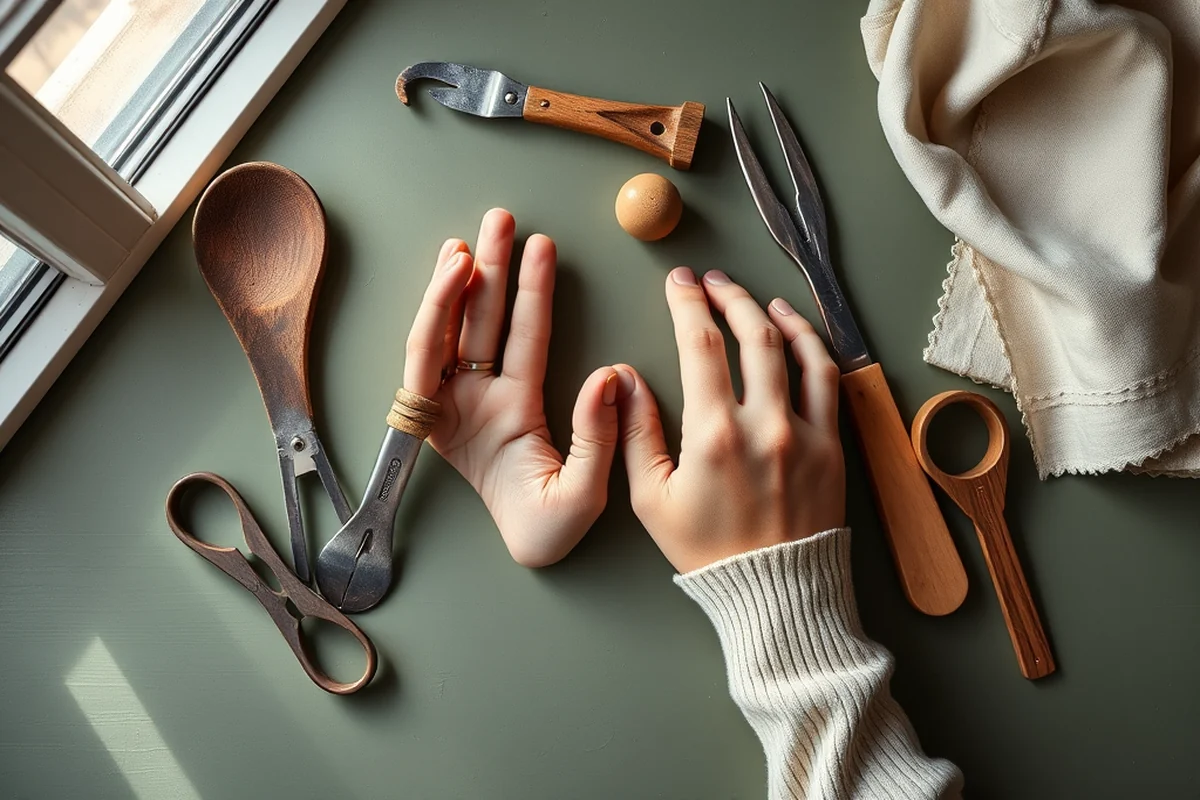
Adding personal touches to your dining table is a great way to make the space feel more like home. I always look for unique items that reflect my personality and style. For example, I have a collection of vintage glass jars that I use for storing spices or displaying flowers. These items not only add a personal element but also serve a functional purpose.
I've found that incorporating artwork or photographs into the decor can add a personal touch. For instance, I have a small framed photograph of my family on the table, which adds a warm and personal element. This approach not only makes the space feel more like home but also creates a sense of connection and comfort.
Another way to add a personal touch is to use items that have sentimental value. For example, I have a set of dishes that were a gift from a friend, and I love displaying them on the table. These personal elements make the space feel more meaningful and connected to my life.
Related: At dining table
Maintaining a Cohesive Look
Maintaining a cohesive look is essential for creating a visually appealing dining table. I always make sure that all the elements of the decor complement each other in terms of color, texture, and style. This approach helps create a balanced and harmonious look that feels intentional and well-designed.
I've found that using a consistent color palette is a great way to maintain a cohesive look. For example, I might choose a neutral base and then add pops of color through accessories like vases or decorative plates. This approach allows the decor to feel cohesive while still being visually engaging.
When selecting materials, it's important to choose items that work well together. For instance, using a combination of glass, wood, and fabric can create a balanced look that feels both modern and timeless. This approach ensures that the decor feels intentional and well-designed.
Related: Dining room table with chairs
Creating a Functional and Aesthetic Space
Creating a functional and aesthetic dining table requires a balance of practicality and design. I always start by considering how the table will be used. For example, if the table is used for daily meals, I prioritize practical elements like a durable table runner and easy-to-clean materials. For special occasions, I might add more decorative elements like a centerpiece or a set of decorative plates.
I've found that using a combination of functional and decorative elements can create a visually appealing table. For example, I might use a set of decorative plates for special occasions and switch them out for more practical plates during daily use. This approach allows the table to be both functional and aesthetically pleasing.
When selecting materials, it's important to choose items that are both practical and visually appealing. For instance, using a combination of glass, wood, and fabric can create a balanced look that feels both modern and timeless. This approach ensures that the table is both functional and aesthetically pleasing.
A functional and aesthetic dining table is the perfect balance of practicality and design.
Related: Glass top of dining table
Updating and Refreshing the Decor
Updating and refreshing your dining table decor is a great way to keep the space feeling fresh and new. I always look for ways to change up the decor without making major changes to the table itself. For example, I might switch out the table runner or add a new centerpiece to give the table a fresh look.
I've found that using seasonal elements can be a great way to refresh the decor. For example, I might use a different set of plates or a new tablecloth during the holidays. This approach not only keeps the space feeling fresh but also allows the decor to reflect the changing seasons.
Another way to update the decor is to introduce new textures or colors. For instance, I might add a new set of decorative plates or a different color of table runner to give the table a fresh look. This approach allows the decor to feel new and exciting while still being cohesive.
💰 Budget Build
A cost-effective way to decorate your dining table with affordable, everyday items that still look great.
⏰ Weekend Version
A quick and easy way to refresh your dining table over the weekend with minimal effort and time.
✨ Upgraded Finish
An elevated version of dining table decor that uses higher-quality materials and finishes.
🛋️ Small-Space Adaptation
A version of dining table decor that works well in small spaces with limited surface area.
🔒 Rental-Safe Option
A non-damaging way to decorate your dining table that's ideal for rental properties or temporary living spaces.
| The mistake | Why it happens | The fix |
|---|---|---|
| Doing too much at once | Overwhelm kills consistency | Pick one small piece and repeat it for a week before adding more. |
| Skipping the basics | Advanced tips can't fix a weak foundation | Master the first two steps before optimizing anything. |
For Dining Table Decor
Common Questions
What are some budget-friendly ways to decorate my dining table?
How can I make my dining table look more elegant without spending a lot?
What are some ideas for seasonal dining table decor?
How do I ensure my dining table decor is both functional and stylish?
References
- Outcome and Assessment Information Set OASIS-E2 Manual - CMS (cms.gov)
- Tasting More Than Just Food: Effect of Aesthetic Appeal of Plate ... (pmc.ncbi.nlm.nih.gov)
- Table Setting Etiquette 101: A Brief Guide - Escoffier (escoffier.edu)
- Design : U.S. Bureau of Labor Statistics (bls.gov)
Cite this guide
Customizing Dining Chairs (2026). For Dining Table Decor. https://chairscape.com/for-dining-table-decor/
Feel free to cite or share this guide.