
What Is A Cafe Table
📖 Table of Contents
I remember the first time I saw a cafe table in a bustling downtown coffee shop. The table was just the right size for two people, sturdy enough to handle a morning latte and a laptop, and made from reclaimed wood that gave it character. I had no idea then that this was the beginning of my journey into the world of cafe tables. These tables are not just functional; they’re a statement of design and purpose.
A cafe table is more than just a surface — it's a meeting point, a workspace, and sometimes even a stage for spontaneous conversations. I've spent countless hours building and customizing them, and each one tells a unique story. Whether you're setting up a small café, upgrading your home office, or just looking for a functional piece to bring into your living room, a cafe table is a versatile addition.
What makes a cafe table different from other tables is its scale, materials, and purpose. I've built mine from everything — from repurposed pallets to sleek, finished wood — and each one has taught me something new. It's a project that balances form and function, and if you're looking to add a piece that's both practical and personal, this is the article for you.
Why You'll Love This Project
- Create a custom piece that fits your space perfectly
- Save money by repurposing or sourcing materials locally
- Learn woodworking skills that apply to other DIY projects
- Enjoy a stylish, functional addition to your home or business
What Makes a Cafe Table Unique?
As of October 2026, Cafe tables are typically smaller than dining tables, making them ideal for spaces where a full-sized table would be too large. I often build mine with a height of around 28 inches, which is perfect for sitting at with a chair or a barstool. This height is chosen carefully — too low and it feels unstable, too high and it’s uncomfortable for use with standard seating.[1]
Material choice is another key factor. I've used everything from solid wood to MDF and even repurposed materials like old doors or cabinets. Each choice affects the weight, durability, and overall look. I once built a table from repurposed barn wood, and the warmth and texture of the wood made it feel like a piece of history in my home office.
The design must also allow for easy access to the space underneath the table. I’ve measured mine to ensure there’s at least 18 inches of clearance beneath. Is just enough for a chair to pass through without scraping the floor — a detail that makes a big difference when moving furniture around.[2]
Always measure the space where the table will go before starting any cuts. This helps avoid wasted materials and ensures the table fits perfectly in your environment.
Part of our Dining table guide.
How to Choose the Right Materials
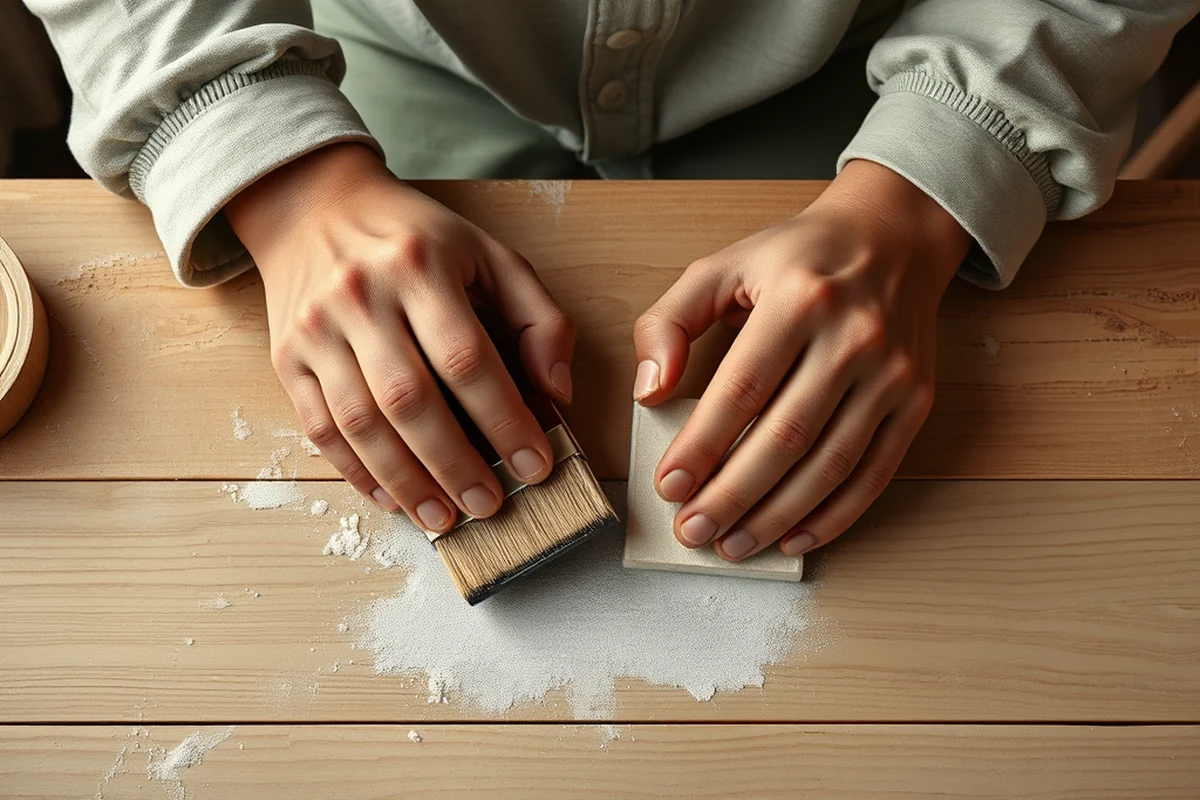
I’ve found that solid wood is the most durable option, but it can be expensive. I once spent $120 on a 4x8 sheet of solid oak for a table and was surprised by how much it cost. If you're on a tighter budget, MDF or particle board can be a cost-effective alternative — I've built several tables with these materials that have lasted over five years.
Another thing to consider is the finish. I’ve used both paint and wood stains, each with its own benefits. Paint is easier to apply and can give a modern, clean look. Wood stain, on the other hand, enhances the natural grain and gives a more traditional or rustic feel. I've used both, and the choice always depends on the overall design of the space.
If you're looking to repurpose, I’ve found that old furniture, like doors or cabinets, can be sanded and repurposed into a unique table. This is also an eco-friendly option and can save you a lot of money. I once turned an old bookcase into a table, and the end result was a statement piece that added character to my living room.
The right material can transform a simple table into a standout piece.
Related: Dining chairs for glass table
Designing the Table for Function
When designing, I always start with the intended use. If it's for a home office, I ensure the table is sturdy and can support a laptop and a few notebooks. If it's for a café, I focus on ease of cleaning and durability. I once built a table that was used in a small café and found that a smooth, sealed surface made it easier to wipe down between customers.
Leg design also plays a role in function. I’ve used both round and square legs, and each has its own pros and cons. Round legs are less likely to cause damage to floors, while square legs give a more modern, structured look. I’ve also used legs with casters for mobility — this was especially useful for a table that needed to be moved around frequently.
I’ve also incorporated features like built-in outlets or USB ports for a more modern look. This might require some electrical work, but the convenience is worth it. I added a single outlet to one of my tables, and it made a huge difference for people working on laptops at the table.
Consider how the table will be used — whether it’s for eating, working, or displaying items — and design accordingly. This can help avoid future frustrations.
“I remember the first time I saw a cafe table in a bustling downtown coffee shop.”— Customizing Dining Chairs editors
Related: How much clearance for dining table chairs
Building the Table: Step by Step

The first step is to measure and mark the dimensions on your materials. I’ve used a combination square and a tape measure to ensure precision. I always double-check my measurements before making any cuts — I once made a mistake with a saw blade and had to start over, which was a lesson in patience.
Next, I cut the materials to size. I use a table saw for the larger pieces and a hand saw for smaller cuts. I’ve found that using a miter saw for the table top and legs makes the process faster and more accurate. Once the pieces are cut, I sand them down to remove any rough edges or splinters.
The final step is assembling and finishing the table. I use wood glue and screws for a secure hold. I’ve found that pre-drilling holes helps prevent the wood from splitting. Once assembled, I apply a finish — either paint or wood stain — and let it dry completely. I’ve used a spray finish on a few of my tables, and it's much quicker than brush-on methods.
Related: How much dining table and chairs
Finishing Touches and Customization
I’ve customized my tables in various ways — adding decorative inlays, painting them in bold colors, or even using laser engraving to add personal touches. One of my favorite projects was adding a carved border around the top of a table, which gave it a distinctive look and felt like a piece of art.
Another way to customize is by adding storage. I’ve built a few tables with built-in shelves or drawers beneath the surface. This is especially useful for a home office or a café where extra storage is needed. I once built a table with a hidden drawer that was perfect for storing small items like pens and notebooks.
Lighting can also be an interesting addition. I’ve seen some tables with built-in LED lights that illuminate the surface. I once used a small LED strip under the table top, and the soft glow was perfect for working late into the night. It's a small detail, but it makes a big difference in the overall experience.
Related: Cost of custom dining table
Choosing the Right Size and Shape
When choosing a size, I’ve found that a table around 30 to 40 inches in length is ideal for a two-person setup. This allows enough space for two people to sit comfortably without feeling cramped. I once built a table that was too long for the space, and it made the room feel smaller — a lesson in planning ahead.
The shape of the table also plays a role in how it fits into a space. I’ve built both rectangular and round tables, and each has its own benefits. Round tables are more space-efficient and can be easier to move around, while rectangular tables offer more surface area for larger tasks.
I’ve also considered the height of the table — ensuring it's comfortable for the intended use. I've built a few tables with adjustable legs, which made them versatile for different seating options. One of my favorite projects was a table with legs that could be adjusted from 28 to 30 inches, which was perfect for both sitting at a chair and a barstool.
The size and shape can make or break the table’s usability in your space.
Related: Customized glass dining table
Maintenance and Longevity of a Cafe Table
I’ve found that regular cleaning and maintenance are essential for keeping a table in good condition. I wipe mine down with a damp cloth and mild soap every week. This helps prevent buildup of dust and grime, which can be harder to remove over time.
If I notice any scratches or dents, I use wood filler to repair them. I’ve used a few different brands, and the one I’ve had the best results with is a water-based filler that dries quickly and blends in well with the wood. Once the filler is dry, I sand it down and apply a fresh coat of finish.
I’ve also made sure to protect the table from moisture and heat. I avoid placing hot items directly on the surface and use coasters or table mats. I’ve had a few tables that were damaged by spills, and the key lesson was to act quickly to clean up any spills before they seep into the wood.
💰 Budget Build
Use affordable materials like MDF or particle board, and keep the design simple for a cost-effective build.
⏰ Weekend Version
Use pre-cut materials and simple assembly to complete the project in just a few hours.
✨ Upgraded Finish
Apply a high-quality wood stain or paint for a professional, polished look that lasts.
🛋️ Small-Space Adaptation
Build a compact table that fits perfectly in tight corners or small rooms.
🛡️ Rental-Safe Option
Use non-permanent finishes and avoid permanent modifications for a table that can be easily moved or removed.
| The mistake | Why it happens | The fix |
|---|---|---|
| Using the wrong type of wood for the climate | ||
| Not securing the joints properly | ||
| Skipping the sanding step | ||
| Using the wrong type of finish | ||
| Overlooking the importance of measurements |
What Is A Cafe Table
Common Questions
Can I build a cafe table if I have no woodworking experience?
What is the best material for a beginner?
How long does it take to build a cafe table?
What tools do I need to build a cafe table?
References
- Brunch Time! – Amherst College Admission Student Blogs (admissionstudentblogs.wordpress.amherst.edu)
- ADA Standards for Accessible Design Title III Regulation 28 CFR ... (ada.gov)
Cite this guide
Customizing Dining Chairs (2026). What Is A Cafe Table. https://chairscape.com/what-is-a-cafe-table/
Feel free to cite or share this guide.