
Rattan Dining Chairs
📖 Table of Contents
- What Makes Rattan Dining Chairs Unique?
- How to Clean and Restore Rattan Dining Chairs
- Painting Rattan Dining Chairs: A Step-by-Step Guide
- Staining Rattan Dining Chairs for a Natural Look
- How to Reupholster Rattan Dining Chairs
- Customizing Rattan Dining Chairs for Your Space
- Caring for Your Rattan Dining Chairs Over Time
- Make It Your Way
- Frequently Asked Questions
I still remember the first time I sat on a rattan dining chair — the way it felt like a warm, woven embrace, both sturdy and elegant. It was a secondhand find from a local market, and it took me three weeks to figure out how to clean and restore it properly. Rattan dining chairs have a way of making you feel like you're sitting in a different era, yet they’re also surprisingly adaptable for modern homes. Whether you're a DIY enthusiast or just looking for a versatile addition to your dining space, these chairs offer an opportunity to blend functionality and style.[1]
Over the years, I’ve tried everything from painting rattan to reweaving the seats. Each project taught me something new about the material — how it reacts to different tools, how it can be refinished, and how it can withstand the test of time if cared for properly. I’ve also learned that rattan dining chairs are not just about aesthetics; they’re about comfort, durability and the way they can be transformed with the right techniques and materials. If you’re thinking about adding a set to your home, whether you’re buying new or working with secondhand finds, there’s a lot to know.
The best part? Rattan dining chairs are remarkably affordable, especially if you’re willing to put in a little elbow grease. I’ve restored a set for under $40, and with a few tools and some patience, you can too. These chairs are not only a great investment for any dining room, but they also offer a canvas for creativity. Whether you're looking to give your space a rustic feel or a sleek, modern look, rattan dining chairs are a versatile and rewarding project — and I’m here to help you make the most of them.[2]
Why You'll Love This Rattan Dining Chair Project
- Affordable, with a DIY-friendly price point of under $40 for materials.
- Easy to customize, allowing you to match your home’s unique style.
- Durable and long-lasting with proper care and maintenance.
- Versatile, fitting into both traditional and modern interior designs.
What Makes Rattan Dining Chairs Unique?
As of October 2026, Rattan is a type of palm that grows in dense, fibrous clusters, making it both strong and flexible. When crafted into chairs, it’s lightweight enough to move easily but sturdy enough to hold up under regular use. I’ve found that these chairs are especially resilient with temperature changes and humidity, which is a big plus for those of us in climates that aren’t always ideal for wooden furniture.
The natural grain of rattan can vary, and this adds character to each chair. Some pieces have a more uniform look, while others are more rustic. I’ve worked with both and found that the rustic ones tend to be more forgiving with imperfections, while the uniform ones are better suited for a more polished look. Either way, the material feels warm to the touch, which makes it a comfortable choice for dining spaces.
One of the key reasons I love working with rattan is that it’s a sustainable material. Unlike some woods, rattan grows quickly and is often harvested in a way that doesn’t harm the plant. This makes it a great option for eco-conscious DIYers who want to make a statement with their furniture choices.
When purchasing or sourcing rattan, look for pieces that are clean and free from cracks or rot. You can often find secondhand rattan chairs at thrift stores or online marketplaces. A quick sanding with fine-grit sandpaper can help even out the texture and prepare it for painting or staining.
Part of our Dining chair guide.
How to Clean and Restore Rattan Dining Chairs
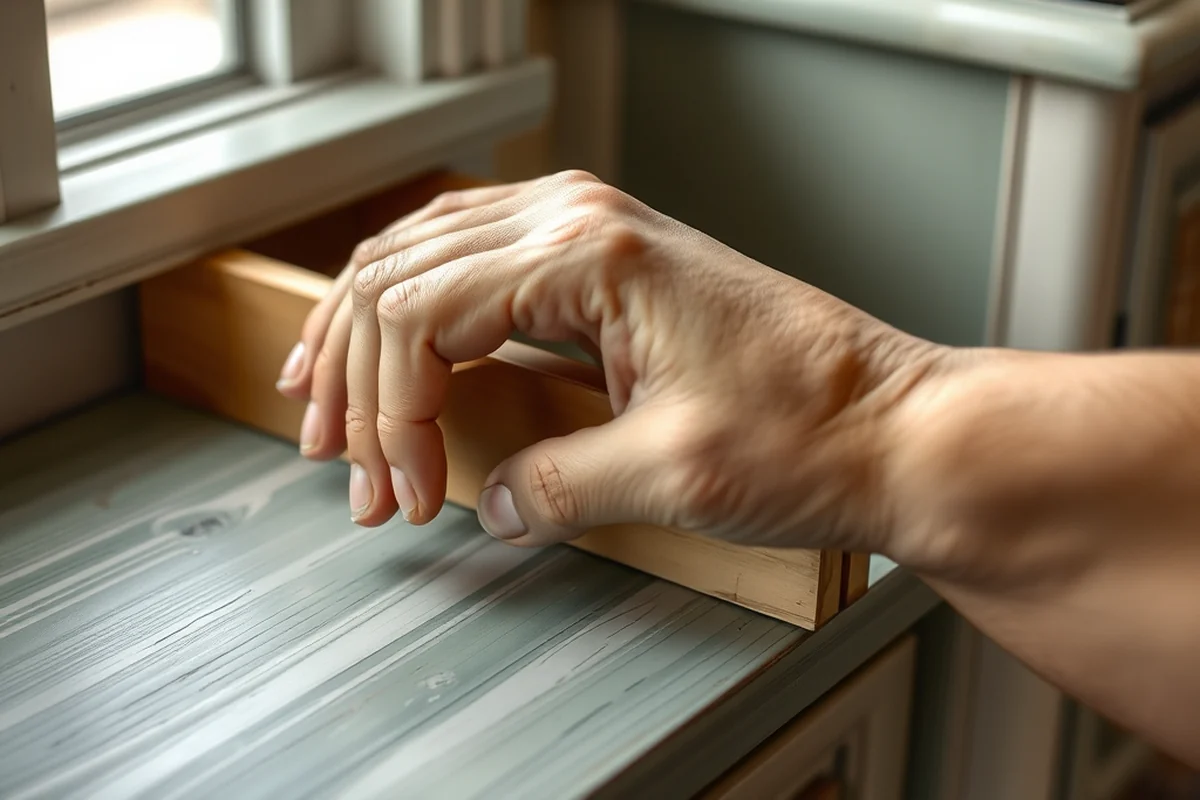
I’ve spent countless hours cleaning and restoring rattan chairs, and the key is to be gentle. Start by vacuuming or brushing off any loose dirt and dust. For deeper cleaning, use a mild soap solution and a soft cloth. Avoid using harsh chemicals, as they can damage the rattan’s natural fibers and leave a residue that’s hard to remove.
If the rattan is heavily stained or discolored, you may need to use a commercial wood cleaner or a mixture of vinegar and water. I found that this works well on light stains, but for more stubborn ones, I’ve used a mild bleach solution (diluted with water) and rinsed it off thoroughly. Always test any cleaning solution on a small, inconspicuous area first to make sure it doesn’t cause discoloration.
Once the rattan is clean, it’s time to restore its luster. I’ve used a combination of wood polish and a natural oil like linseed oil, which not only gives the rattan a nice sheen but also helps preserve it over time. This step is especially important if you're planning to paint or stain the chairs later on.
A little cleaning and care can turn an old rattan chair into a new favorite.
Related: Can you reupholster dining chairs
Painting Rattan Dining Chairs: A Step-by-Step Guide
If you want to give your rattan chairs a fresh look, painting is an excellent option. I’ve painted several sets over the years, and the key is to prepare the surface properly. Start by sanding the rattan lightly to help the paint adhere better. I used 220-grit sandpaper for this step, which worked well without damaging the fibers.
Next, apply a primer. I’ve found that using a primer designed for wood or metal works best because it helps the paint stick and prevents the rattan from warping or cracking over time. Once the primer is dry, you can apply your chosen paint in even, thin coats. I’ve used both acrylic and spray paints, and both have worked well, though I found that spray paint gives a more even finish with fewer brush strokes.
After painting, I always apply a clear topcoat to protect the paint and extend the chair’s lifespan. I’ve used both polyurethane and spray-on sealants, and they’ve both held up well under normal use. This step is crucial, especially if you're planning to use the chairs in a high-traffic area.
Priming is an essential step when painting rattan. It helps the paint stick better and prevents the wood from absorbing too much paint, which can lead to uneven coverage. I always use a water-based primer, which is easy to clean up and doesn’t leave a strong odor.
“I still remember the first time I sat on a rattan dining chair — the way it felt like a warm, woven embrace, both sturdy…”— Customizing Dining Chairs editors
Related: Dining chairs without upholstery
Staining Rattan Dining Chairs for a Natural Look
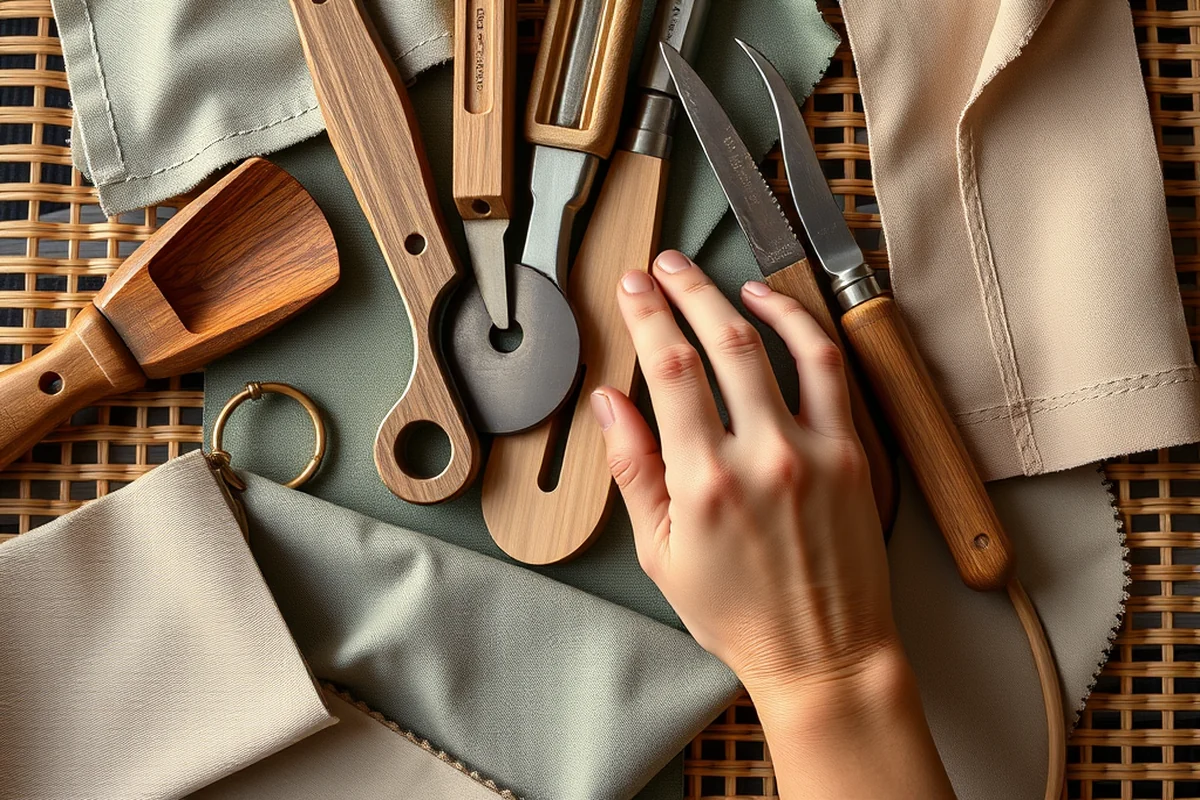
If you prefer a more natural look for your rattan chairs, staining is a great alternative to painting. I’ve used wood stains on several sets, and they’ve worked well for creating a subtle, rich color that enhances the grain of the rattan. The key is to choose a stain that’s designed for wood or rattan and to follow the manufacturer’s instructions carefully.
Before applying the stain, I always sand the rattan lightly to help the stain penetrate the fibers. I’ve used both oil-based and water-based stains, and both have worked well. I found that oil-based stains tend to give a deeper, more dramatic color, while water-based stains are easier to clean up and have a more natural finish.
After staining, I always apply a clear topcoat to protect the finish and extend the chair’s lifespan. I’ve used both polyurethane and spray-on sealants, and both have worked well. This step is especially important if you're planning to use the chairs in a high-traffic area.
Related: Customizable dining chair covers
How to Reupholster Rattan Dining Chairs
If the seat or backrest of your rattan chair is worn or damaged, reupholstering it can be a great way to restore its appearance. I’ve done this a few times, and the process is more straightforward than you might think. Start by removing the old fabric or padding, then measure and cut the new fabric to fit the frame.
When choosing fabric, it’s important to select something that’s durable and comfortable. I’ve used both woven and solid fabrics, and I found that woven fabrics tend to be more breathable and easier to clean. I’ve also used foam padding to add extra comfort to the seats, which is especially useful if you're using the chairs for long meals.
Once the fabric is in place, use a staple gun to secure it to the frame. I’ve found that using a staple gun with a fine-point tip works best, as it allows you to get close to the edges of the frame without damaging the fabric. After stapling, trim any excess fabric and apply a clear sealant to protect the new upholstery.
Related: How to cushion dining chairs
Customizing Rattan Dining Chairs for Your Space
One of the best things about rattan dining chairs is that they’re highly customizable. Whether you want to paint them a bold color, stain them for a natural look or reupholster them with a new fabric, there are endless possibilities. I’ve experimented with several different styles over the years, and each one has given my dining space a new look and feel.
If you're working with a small space, consider using lighter colors or adding decorative accents to help the chairs blend in with the room. I’ve found that using pastel shades or neutral tones can make a small dining area feel more open and inviting. On the other hand, if you're working with a larger space, bold colors or statement pieces can add a lot of visual interest.
Another great way to customize your rattan chairs is to add decorative elements like cushions, throws or even custom seat covers. I’ve used these to create a more comfortable and stylish dining area, and I’ve found that the right accessories can really transform the look of your space.
A little creativity can turn a simple rattan chair into a focal point of your dining room.
Related: Dining chairs easy storage
Caring for Your Rattan Dining Chairs Over Time
Once you’ve restored or customized your rattan chairs, it’s important to take care of them properly. I’ve found that regular cleaning and maintenance can help extend their lifespan and keep them looking great. Wipe them down with a soft cloth and a mild soap solution whenever they get dirty, and avoid using harsh chemicals that can damage the fibers.
If you're using your chairs outdoors, it’s important to protect them from the elements. I’ve used a weather-resistant sealant on some of my outdoor chairs, which has helped keep them looking good even after long periods of exposure to sun and rain. This is especially important if you're using the chairs in a high-traffic area or a place where they might get dirty frequently.
In general, I’ve found that rattan chairs are relatively low-maintenance, but they do require some care. By keeping them clean, protecting them from the elements and using a good quality sealant, you can help them last for years to come.
💰 Budget Build
Restyle a secondhand set with a fresh coat of paint and minimal tools for under $40.
⏰ Weekend Version
Quickly refresh a rattan dining set with just a few hours of work over the weekend.
✨ Upgraded Finish
Add a high-gloss, sealed finish for a polished, modern look that’s perfect for any home.
🏠 Small-Space Adaptation
Customize your rattan chairs with light colors and minimal padding for a compact, open feel.
🧳 Rental-Safe Option
Use removable, washable cushions and neutral tones for a temporary, easy-to-clean design.
| The mistake | Why it happens | The fix |
|---|---|---|
| Using the wrong type of paint or stain. | Using the wrong type of paint or stain can lead to poor adhesion, uneven coverage or damage to the rattan fibers. | Always choose a paint or stain that’s designed for wood or rattan and follow the manufacturer’s instructions carefully. |
| Not sanding the rattan before painting or staining. | Failing to sand the rattan can result in a rough finish and poor adhesion of the paint or stain. | Always sand the rattan lightly before applying paint or stain to help it adhere better. |
| Skipping the primer step. | Skipping the primer step can lead to poor adhesion and a shorter lifespan for the paint or stain. | Always use a primer designed for wood or rattan before applying paint or stain to ensure a smooth, even finish. |
| Using harsh chemicals to clean rattan chairs. | Using harsh chemicals can damage the rattan fibers and leave a residue that’s difficult to remove. | Use a mild soap solution and a soft cloth to clean rattan chairs. Avoid using abrasive cleaners or harsh chemicals. |
Rattan Dining Chairs
Common Questions
Can I paint my rattan dining chairs if they’re already stained?
How long does it take to reupholster a rattan dining chair?
What kind of paint should I use on rattan dining chairs?
Can I use rattan dining chairs outdoors?
References
- Weiler gives outlook on space science (jpl.nasa.gov)
- EXTENSIONS OF REMARKS - Congress.gov (congress.gov)
Cite this guide
Customizing Dining Chairs (2026). Rattan Dining Chairs. https://chairscape.com/rattan-dining-chairs/
Feel free to cite or share this guide.