
Round Coffee Table
📖 Table of Contents
- Choosing the Right Materials for Your Round Coffee Table
- Designing the Shape and Dimensions of Your Table
- Assembling the Table Base and Legs
- Finishing the Table Surface and Base
- Adding Decor and Personal Touches
- Testing and Adjusting the Table for Stability
- Maintaining and Caring for Your Round Coffee Table
- Make It Your Way
The first time I sat at a round coffee table, I noticed how the space felt different — less rigid, more inviting. It was in my friend’s living room, and I found myself lingering longer, sipping my coffee and chatting with guests without feeling confined. That moment sparked my curiosity about the versatility of round coffee tables, and I’ve since built a few myself. The shape alone offers a unique charm that rectangular tables simply can’t match. I’ve learned over time that the right materials and techniques can turn even the simplest design into a focal point of a room.
Building a round coffee table isn’t just about functionality — it’s about creating a piece that feels like a conversation starter. I remember my first attempt, where I used leftover wood from a previous project, and how it felt like a real statement piece. The smooth curves of the table top, combined with a simple, industrial base, made it feel modern yet warm. Since then, I’ve experimented with different styles, from rustic to minimalist, each time learning new techniques and refining my approach.
If you're considering a round coffee table, you’re not just investing in a piece of furniture — you're adding a touch of character to your space. It’s the kind of table that feels like it belongs, whether it's in a cozy living room or a modern open-plan space. I’ve built several over the years, and each one taught me something new about balance, materials, and the importance of a well-considered design. This guide will walk you through the process, step by step, so you can create your own.
Why You'll Love This Round Coffee Table
- Perfect for small spaces due to its curved edges and efficient use of area.
- Easier to move and arrange around a room compared to rectangular tables.
- Offers a more social and inviting atmosphere for gatherings.
- Can be customized with various materials and finishes to match any decor.
Choosing the Right Materials for Your Round Coffee Table
As of October 2026, I often start with wood for the table top, as it offers a natural look and can be sanded and stained to match your home decor. For the base, I've used everything from simple metal pipes to wooden legs. The key is to choose a material that complements your living space and is easy to work with. I once used reclaimed wood for a rustic look, and the warmth it added to the room was unexpected and welcome.
Another important consideration is the weight of the table. If you're planning to use it in a high-traffic area, a heavier material like solid wood or thick MDF will be more stable. I've also experimented with glass for the table top, but I found that it's more prone to cracking, so I now prefer tempered glass for that option. I recommend using a strong adhesive like wood glue when attaching the legs or base to the table top.[1]
I've found that using a combination of materials can add visual interest. For example, pairing a wooden table top with metal legs gives a modern, industrial feel, while a glass top with a wooden base creates a more elegant look. Always test your materials for compatibility before you start building, and don’t be afraid to mix and match for a unique design.
Before you start cutting or assembling, take precise measurements and use a level to ensure everything is straight. This will save you time and headaches later on.
Part of our Dining table guide.
Designing the Shape and Dimensions of Your Table

I’ve made tables with diameters ranging from 24 inches to 48 inches, depending on the size of the room. A smaller table is great for compact spaces, while a larger one offers more surface area for drinks and decor. I like to sketch out the design first, either on paper or using a drawing app. This helps me visualize how the table will look once completed.
The shape of the table is equally important. I’ve built tables with smooth, even curves as well as ones with more angular, segmented designs. I find that a smooth curve is easier to work with, especially if you’re using a router to shape the edges. If you choose a more angular design, you’ll need to be precise with your cuts and sanding. I always use a jigsaw for more complex shapes and a router for smoother edges.
When designing your table, consider the height as well. A standard coffee table is usually between 28 and 32 inches tall, but you can adjust this depending on your furniture. If your couch is lower, you might want a shorter table, while a higher table might be better for a taller seating arrangement. I've found that keeping the table about 4 inches lower than the seating height is ideal for comfort.[2]
Measure twice, cut once — it’s a rule I’ve lived by since my first DIY project.
Related: Magical dining 2026
Assembling the Table Base and Legs
I’ve used a variety of base types, from simple wooden legs to more complex structures with X-shaped supports. For a basic table, I often use four legs with a central support beam for extra stability. I've found that attaching the legs using corner brackets or wood screws provides a secure hold. I always pre-drill holes to prevent the wood from splitting, especially if I'm working with hardwoods.
If you want a more modern look, you can use metal legs or a steel base. These are easy to attach and add a sleek, contemporary feel to the table. I’ve also used wooden dowels for attaching legs in a more traditional style, which gives the table a rustic and elegant appearance. I recommend using a strong wood glue or epoxy for these joints to ensure they hold up over time.[3]
Another option is to build a base from scratch using wooden planks or metal pipes. This allows you to customize the design and make it more unique. I’ve used a central round base with four legs extending from it, which gave the table a stable and balanced look. Always test the assembly before finalizing, and make sure all joints are secure to avoid wobbling later on.
Wood glue or epoxy is a must when assembling your table base and legs. It adds extra strength and helps prevent any wobbling or instability over time.
“The first time I sat at a round coffee table, I noticed how the space felt different — less rigid, more inviting.”— Customizing Dining Chairs editors
Related: What is a water table
Finishing the Table Surface and Base
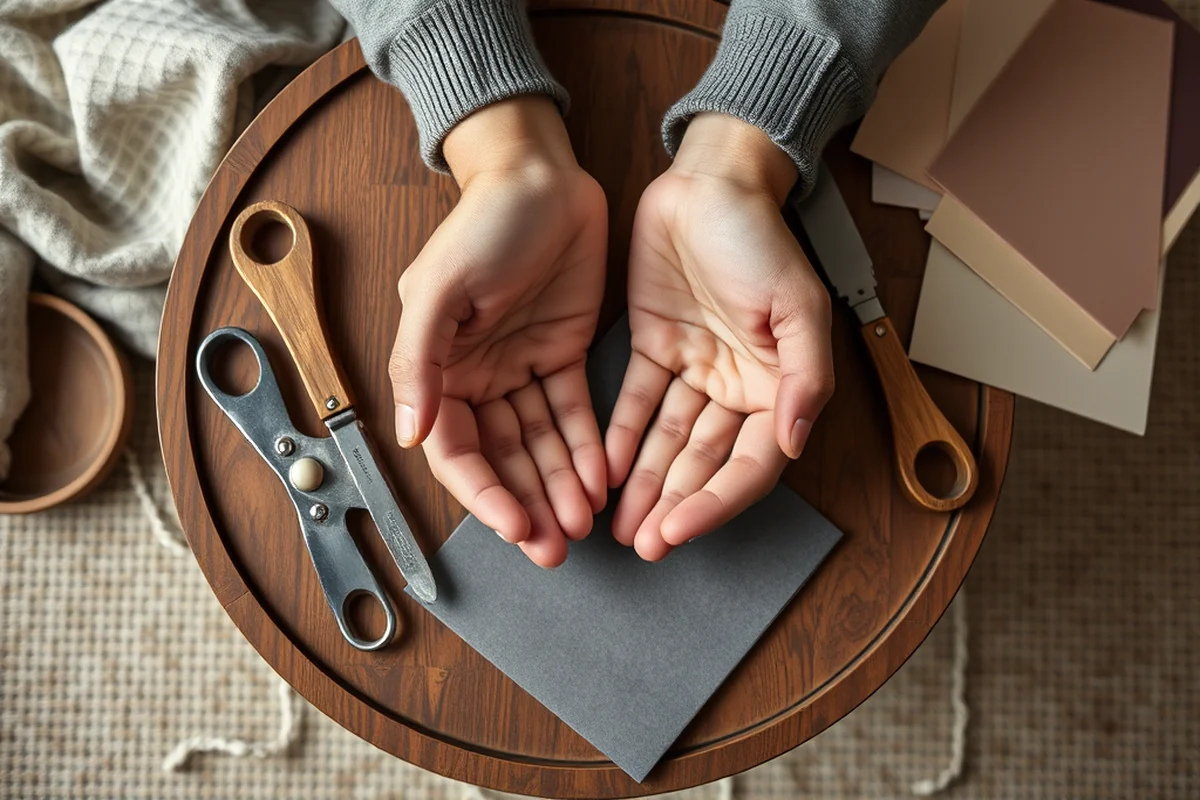
I always start by sanding the surface thoroughly, using both coarse and fine grit sandpaper to ensure a smooth finish. I’ve found that sanding in the direction of the wood grain gives the best results and avoids creating scratches. After sanding, I apply a wood stain or paint to match my home decor. I’ve used both oil-based and water-based stains, but I prefer oil-based for a deeper, richer finish.
Once the stain is applied, I let it dry completely before sealing it with a clear coat. I've used both polyurethane and wax for this, and I find that polyurethane offers better protection against moisture and wear. I always apply at least two coats for added durability. For a more natural look, I've also used beeswax, which gives the table a warm, matte finish.
When finishing the base, I use the same stain or paint to keep the table looking cohesive. I’ve also experimented with different textures, like a matte or gloss finish, depending on the style I’m going for. I recommend using a brush or spray gun for even coverage, and always allow the finish to dry completely before placing any items on the table.
Related: What is a drink table
Adding Decor and Personal Touches
I love using decorative elements like candles, books, and art pieces to give the table a personal touch. A simple ceramic bowl or a woven basket can also add visual interest. I’ve found that using a tray for organizing items helps keep the table clutter-free while still looking stylish. I always choose decor that complements the color and texture of the table.
Another way to add personality is by using a fabric or burlap runner for the table top. It gives the table a softer look and can be easily changed depending on the season or event. I’ve also used a small rug or mat in the center for added comfort and to protect the surface from scratches. I recommend choosing materials that are easy to clean and maintain.
I’ve also used a few small plants or succulents to give the table a natural and fresh look. They add a pop of color and bring life to the space. I always make sure the table is stable and the plants are placed safely to avoid any accidents. I’ve found that adding a few personal items, like a family photo or a favorite book, makes the table feel more like a part of my home rather than just a piece of furniture.
Related: What is table cover
Testing and Adjusting the Table for Stability
Once the table is assembled and finished, I always test it for stability by placing weight on it. I’ve found that sometimes even the smallest wobble can be annoying, so I take the time to check every joint and leg. I use a level to make sure the table is perfectly balanced. If it wobbles, I reinforce the joints with additional screws or wood glue.
I've also used a piece of cardboard or a small rug underneath the table to help with any minor wobbling. For more serious stability issues, I’ve added extra brackets or supports. I recommend checking the table on different types of flooring, as some surfaces can cause instability. I’ve found that placing the table on a hard surface, like wood or tile, provides the best support.
After making any adjustments, I test the table again to ensure it's stable and secure. If it’s still wobbly, I consider using table pads or felt pads underneath the legs to help absorb any unevenness. I’ve also used shims to fill in any gaps between the table and the floor, which can help with stability. Always test the table thoroughly before putting it into use.
A stable table is the foundation of a great coffee table — don’t skip this step.
Related: How to a dining table
Maintaining and Caring for Your Round Coffee Table
I’ve learned that regular cleaning and maintenance go a long way in keeping the table in excellent condition. I always wipe the surface with a soft, damp cloth and mild soap, avoiding harsh chemicals that can damage the finish. For wood tables, I’ve found that applying a wood polish or wax every few months helps maintain the shine and protect the surface.
I also make sure to avoid placing hot items directly on the table, as this can cause warping or damage to the finish. I’ve used heat-resistant mats or coasters for this purpose, and I always recommend using them, especially on wood or glass surfaces. For tables with a matte finish, I avoid using any abrasive cleaners that can scratch the surface.
If the table is placed in a high-traffic area, I recommend using a table protector or covering it with a cloth when not in use. I’ve also found that using a small rug or mat in the center of the table helps absorb moisture and protect the surface from spills. Always check the manufacturer’s recommendations for cleaning and maintenance to ensure you’re using the right products and methods.
💰 Budget Build
Use leftover materials and basic tools to create a functional round coffee table without spending much.
⏳ Weekend Version
Complete the entire project in a single day with pre-cut materials and simple assembly.
✨ Upgraded Finish
Add a high-quality finish, such as a custom stain or lacquer, to give your table a professional look.
🛋️ Small-Space Adaptation
Build a compact round coffee table that fits perfectly in a small room or apartment.
🔒 Rental-Safe Option
Create a portable round coffee table using lightweight materials that can be easily moved or taken with you when moving.
| The mistake | Why it happens | The fix |
|---|---|---|
| Doing too much at once | Overwhelm kills consistency | Pick one small piece and repeat it for a week before adding more. |
| Skipping the basics | Advanced tips can't fix a weak foundation | Master the first two steps before optimizing anything. |
Round Coffee Table
References
- Dietary Guidelines for Americans, 2020-2025 (dietaryguidelines.gov)
- pg-18-12 – emergency department design guide (cfm.va.gov)
- PRODUCTS & SERVICES CATALOG (mce.md.gov)
Cite this guide
Customizing Dining Chairs (2026). Round Coffee Table. https://chairscape.com/round-coffee-table/
Feel free to cite or share this guide.