
Napkin Holder For Table
📖 Table of Contents
- Why a Napkin Holder Is a Must-Have for Any Table
- Choosing the Right Materials for Your Napkin Holder
- DIY Tips for Creating a Custom Napkin Holder
- How to Customize Your Napkin Holder for Different Occasions
- The Importance of a Stable and Secure Napkin Holder
- Storing and Maintaining Your Napkin Holder for Longevity
- Adding a Personal Touch to Your Napkin Holder
- Make It Your Way
- Frequently Asked Questions
I remember the first time I set a table for a dinner party — the table was beautifully set. The napkins were balled up in a pile on the tablecloth, and I couldn’t help but think, 'There has to be a better way.' That’s when I decided to build my own napkin holder for table. It wasn’t just about aesthetics; I wanted a solution that was functional, elegant, and made my guests feel like they were sitting at a table that cared about the little details. Now, I can confidently say that a well-designed napkin holder is a game-changer for any dining experience.
The napkin holder for table has become one of my favorite DIY projects because it’s both simple and impactful. Whether you’re hosting a casual brunch or a formal dinner, having a dedicated place for napkins adds a layer of polish that instantly elevates your table’s look. I’ve made several versions over the years, each with its own unique style and materials, and I’ve learned that the right holder can be a subtle but powerful statement piece. It’s also a great way to showcase your personality through decor.
Building a napkin holder for table isn’t just about functionality — it’s about creating something that feels personal and meaningful. I’ve used everything from repurposed wood to metal wire and even carved stone, and each version has its own charm. The best part? The process is straightforward, even for someone with no prior experience in woodworking or design. You don’t need an advanced skill set or a full toolkit — just a few basic tools and some creativity. It’s a project that fits into any weekend, and the result is always worth it.
Why You'll Love This Napkin Holder for Table
- Adds a refined, personalized touch to any dining table setting.
- Provides a practical and organized way to store and display napkins.
- Enhances the visual appeal of your table with a custom design.
- Can be built in under a week with minimal tools and affordable materials.
Why a Napkin Holder Is a Must-Have for Any Table
As of November 2026, I’ve hosted several dinner parties where the absence of a napkin holder made the experience feel slightly unrefined. Without a designated place for napkins, they end up scattered, crumpled, or tucked under plates. A napkin holder solves this issue by providing a dedicated, elegant spot for napkins to be stored and displayed. It also helps to keep the table from looking cluttered, especially during larger gatherings.
Beyond functionality, a napkin holder adds a decorative element to the table. Whether you choose a minimalist design or a bold, statement-making piece, the right holder can become a focal point. I’ve found that using materials like wood, metal, or even fabric can change the entire aesthetic of the table, making the holder a key part of the room’s decor.
For me, the most significant benefit of a napkin holder is its ability to streamline the setup process. When you know exactly where to place the napkins, it makes hosting feel more effortless and professional. It’s a small detail that makes a big difference — and one that your guests will appreciate without even realizing it.
If you're using a narrow or tall holder, consider adding a small base to prevent it from tipping over. I used a piece of scrap wood and glued it to the bottom of a metal holder, and it made all the difference in keeping it steady during a dinner party.
Part of our Dining table guide.
Choosing the Right Materials for Your Napkin Holder
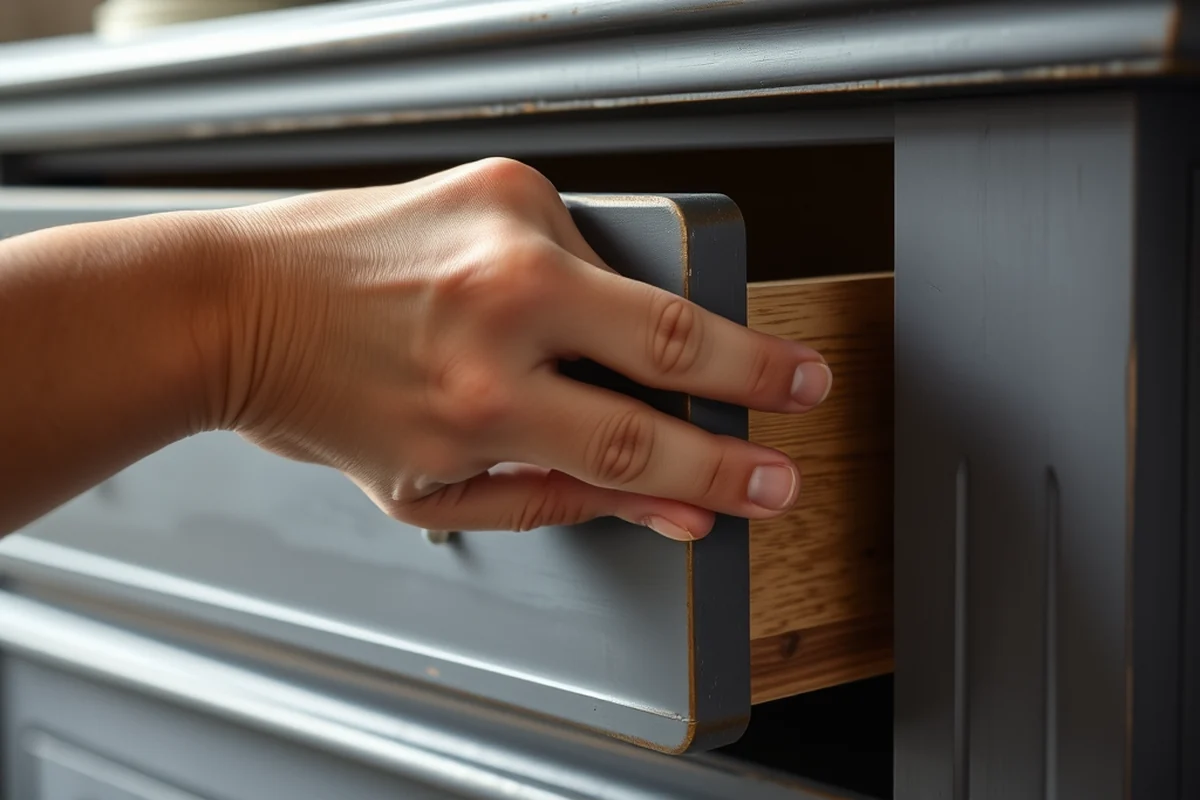
I’ve experimented with a wide range of materials, from reclaimed wood to repurposed metal, and each has its own advantages. For a rustic look, I recommend using old barn wood or salvaged timber. It adds a warm, natural element to the table. On the other hand, if you prefer a more modern or industrial feel, metal wire or steel tubing can be a great choice. I once built a holder using old bicycle frames and painted them black — it looked sleek and added a unique edge to the table.
Budget is another important factor. I’ve found that using basic materials like pine wood, which costs around $10 for a 1x2 board, can be very cost-effective. For a more high-end look, you can opt for materials like oak or walnut, but be prepared to spend a bit more. I also like using fabric-covered holders for a softer, more decorative touch — they’re perfect for casual dining or weddings.
When choosing materials, always consider the overall style of your home and the type of events you host. A napkin holder should complement your table setting, not clash with it. I recommend starting with a few small samples and seeing how they look in your space before committing to a full project.
Materials speak volumes about the character of your table.
Related: What is counter height table
DIY Tips for Creating a Custom Napkin Holder
One of the best tips I’ve learned is to measure your table and napkins carefully before starting. I made the mistake of not considering the size of my table and ended up with a holder that was too small. To avoid this, I recommend measuring the height of your table and the width of your napkins to ensure a proper fit. I’ve found that a height of 6 to 8 inches works well for most tables, as it keeps the holder visible but not overwhelming.[1]
Another tip is to think about the number of napkins you’ll need to hold at once. I’ve built holders that can hold two to four napkins, depending on the occasion. If you’re hosting a large dinner party, a larger holder might be necessary, but for everyday use, a smaller one is often sufficient. I’ve used small wooden boxes and stacked them to hold multiple napkins — it’s a simple but effective solution.
Lastly, consider the placement of the holder on the table. I’ve found that placing it near the center of the table, slightly off-center, gives the table a balanced look. It’s also important to keep the holder away from hot dishes or candles to avoid any damage. I always test my design with a few napkins and see how it looks from different angles before finalizing the setup.
When designing your holder, plan for the number of napkins you expect to use at once. A simple wooden box can hold two to four napkins, while a larger version can accommodate more. I once built a holder that could hold six napkins — it was perfect for family dinners, but too large for smaller gatherings.
“I remember the first time I set a table for a dinner party — the table was beautifully set, but the napkins were balled up…”— Customizing Dining Chairs editors
Related: Kids table and chairs
How to Customize Your Napkin Holder for Different Occasions
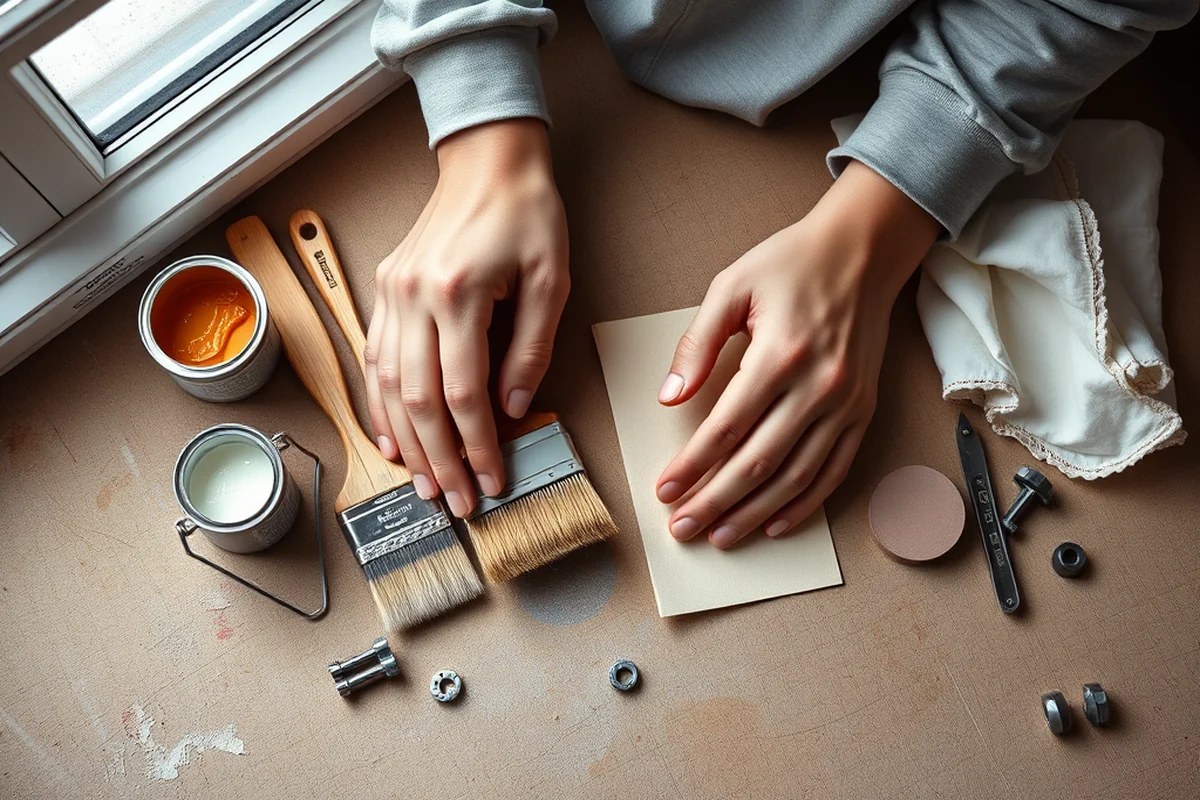
I’ve found that customizing my napkin holder is one of the most fun aspects of the project. For a formal dinner, I often use a wooden holder with a polished finish and a subtle engraving. For more casual occasions, I prefer using fabric or leather covers that add a touch of comfort and softness. I’ve even used lace or embroidered fabric for special events like weddings or anniversaries.
Another way to customize the holder is by using different colors or patterns. I’ve painted my holders in pastel shades for spring events and bold colors like red or navy for holidays. The key is to match the color and texture of the holder with the rest of the table setting. I once used a holder with a gold leaf finish for a Christmas party — it looked absolutely stunning and became a favorite piece in my collection.
I also enjoy adding small decorative elements like beads, buttons, or even tiny metal accents. These details can elevate the holder’s look without making it too complicated. I’ve used small ceramic tiles for a rustic look and painted metal plates for a more modern feel. Whatever you choose, make sure it complements the overall style of your home and the event you’re hosting.
Related: What is in table tennis
The Importance of a Stable and Secure Napkin Holder
I’ve had a few instances where my napkin holder tipped over during a dinner party, and it was a real embarrassment. To prevent this, I recommend using a holder with a wide base or adding a small weight to the bottom. I’ve used small stones or sandbags to keep the holder steady, and it’s worked perfectly. It’s also important to avoid using overly tall or narrow designs, as they can be unstable on the table.[2]
Another tip is to place the holder away from high-traffic areas, such as near the edge of the table or directly in front of guests. I’ve noticed that when the holder is placed near the center of the table, it’s less likely to be bumped. I’ve also used Velcro or small magnets to secure the holder to the table — it’s a simple solution that keeps things in place.
I’ve even used double-sided tape on the bottom of my holders to prevent them from sliding. It’s a quick and easy fix that has worked well for me. I’ve also found that using a heavier material, like wood or metal, can make the holder more stable. If you’re using a fabric or paper holder, consider adding a base or using a heavier fabric to prevent it from tipping over.
Related: What is drafting table
Storing and Maintaining Your Napkin Holder for Longevity
I’ve learned the hard way that neglecting to clean my napkin holder can lead to stains and discoloration. To keep it looking its best, I recommend wiping it down with a damp cloth after each use. For wooden holders, I use a mild wood cleaner and apply a small amount of polish to keep the finish looking shiny. I’ve found that regular maintenance can make a huge difference in the longevity of the holder.
If you’re not using the holder for an extended period, it’s a good idea to store it in a cool, dry place. I’ve kept mine in a drawer or on a shelf in the kitchen, and it’s always ready for the next event. I also avoid exposing it to direct sunlight for long periods, as this can cause the wood to fade or the fabric to discolor. I’ve used a small cloth to cover the holder when not in use to protect it from dust.
For fabric or leather holders, I recommend using a fabric protector or a waterproof spray to help repel spills. I’ve used a small amount of fabric protector on my leather holder, and it’s helped keep it looking new even after multiple uses. I also avoid using harsh chemicals or abrasive materials, as these can damage the surface of the holder. With a little care, your napkin holder can last for years and remain a beautiful addition to your table.
A little care goes a long way in preserving your napkin holder.
Related: What is a entryway table
Adding a Personal Touch to Your Napkin Holder
One of the things I love most about building a napkin holder is the opportunity to add a personal touch. Whether it’s engraving your initials or adding a meaningful quote, these small details can make the holder feel more special. I once engraved the name of my restaurant on a holder for an event, and it became a popular conversation piece.
Another way to add a personal touch is by using fabric that has sentimental value, like an old tablecloth or a piece of clothing. I’ve used fabric from my grandmother’s sewing box and it’s brought back a lot of memories. I’ve also used fabric that matches my home décor, which helps the holder blend in with the rest of the table setting.
I’ve also used small decorative elements like beads, buttons, or even small paintings to personalize the holder. These details can make the holder feel more like a piece of art rather than just a functional item. I’ve found that adding a personal touch can make the holder feel more special and meaningful, especially when it’s used for special events or family gatherings.
💰 Budget Build
Create a functional napkin holder for under $15 using basic materials like cardboard and fabric.
⏰ Weekend Version
A quick and easy DIY project that can be completed in one weekend with minimal effort.
✨ Upgraded Finish
Add a polished, professional look with wood stain, paint, or decorative elements like beads and buttons.
🛋️ Small-Space Adaptation
Perfect for compact dining areas, this version is small and designed to fit seamlessly on any table.
🔒 Rental-Safe Option
A non-permanent, damage-free option that’s ideal for rental properties or temporary spaces.
| The mistake | Why it happens | The fix |
|---|---|---|
| Not considering the size of the table or the number of napkins needed. | A poorly sized holder can look out of place or be too small to hold enough napkins for an event. | Measure your table and count the number of napkins you expect to use at once. Build a holder that’s proportionate to the table and can accommodate the number of napkins needed. |
| Using materials that are too flimsy or unstable. | A weak or unstable material can cause the holder to tip over or break during use. | Choose durable materials like wood, metal, or thick fabric. Add a base or weights to increase stability and prevent accidents. |
| Neglecting to clean or maintain the holder regularly. | Failure to clean and maintain the holder can lead to stains, discoloration, or damage over time. | Wipe the holder down with a damp cloth after each use. For wooden holders, use a mild wood cleaner and apply polish to keep it looking shiny. |
| Not considering the overall style of the room or event when choosing a design. | A napkin holder that doesn’t match the style of your home or event can look out of place or feel forced. | Choose a design that complements the overall look of your home or event. Consider using materials and colors that match your existing décor. |
Napkin Holder For Table
Common Questions
What type of wood is best for a napkin holder?
Can I use fabric to make a napkin holder?
How can I make my napkin holder more unique?
Is it possible to build a napkin holder without any prior experience?
References
- South Dakota Early Learning Guidelines (doe.sd.gov)
- CPC Scheme - A47G HOUSEHOLD OR TABLE EQUIPMENT - USPTO (uspto.gov)
Cite this guide
Customizing Dining Chairs (2026). Napkin Holder For Table. https://chairscape.com/napkin-holder-for-table/
Feel free to cite or share this guide.