
Dining Room Light Fixtures
📖 Table of Contents
- Choosing the Right Style for Your Space
- Installation Tips for a Flawless Finish
- DIY Light Fixtures: A Creative Alternative
- Maximizing Light with the Right Bulbs
- Maintaining Your Dining Room Light Fixtures
- Upgrading Your Fixtures for a Fresh Look
- Creating a Cohesive Lighting Scheme
- Make It Your Way
- Frequently Asked Questions
I still remember the first time I replaced the outdated chandelier in my dining room. It was a Saturday morning, and I had no idea what I was doing—except for one thing: I knew I wanted the space to feel more inviting. The old fixture was heavy, dark, and out of place. When I finally hung the new, modern light fixture, it felt like magic. The light was brighter, the room felt larger, and suddenly, my dining table looked like a place people actually wanted to sit. Dining room light fixtures can do more than just illuminate a room—they can transform the entire space.[1]
Lighting is one of the most overlooked aspects of home design, but it's one of the most impactful. A well-chosen dining room light fixture can elevate a room's aesthetic, improve functionality, and even raise the value of your home. I've spent the last five years experimenting with different styles, materials, and installation methods. Some of my favorite projects involved repurposing old fixtures, others required a complete overhaul of the electrical system. Each project taught me something new. Now I can confidently say that the right dining room light fixture can be the difference between a room that feels 'good enough' and one that feels truly finished.
When I first started this journey, I was surprised by how much of a difference a single light fixture could make. I had always assumed that lighting was a matter of picking the right bulb and making sure it wasn't flickering. But over time, I discovered that it's about scale, placement, and even the kind of light it emits. Whether you're going for a rustic, industrial, or modern look, the right dining room light fixture can be the centerpiece of your room. If you're ready to give your dining space a fresh start, this article will walk you through everything you need to know to choose, install, and even build your own fixture.
Why You'll Love This Guide to Dining Room Light Fixtures
- Discover how the right fixture can enhance your home's style and value
- Learn practical tips for installation and maintenance
- Get inspired by a variety of design options and styles
- Save time and money with DIY-friendly projects and upgrades
Choosing the Right Style for Your Space
As of September 2026, the first thing to consider when choosing a dining room light fixture is the overall style of your home. If your space has a modern, minimalist feel, a sleek, metallic chandelier or a simple pendant light might be the way to go. On the other hand, if you're going for a rustic or farmhouse look, a wrought iron fixture with a natural wood finish could be a great match.
Scale is another important factor. A large, elaborate chandelier can overwhelm a small dining room, while a small, understated light might feel too sparse for a grand space. I once installed a 48-inch diameter chandelier in my dining room, only to find out it was too big for the room. I returned it and replaced it with a smaller, more proportionate fixture that made the space feel more balanced.[2]
Consider the type of light the fixture emits. Some fixtures have a warm, ambient glow that's perfect for a cozy dinner party, while others offer a brighter, more focused light that's ideal for reading or working at the table. I've found that LED bulbs with a color temperature of 2700K create a warm, inviting light that complements most interior designs.
Take precise measurements of your dining room and table before shopping. This will help you avoid buying a fixture that's too large or too small for the space.
Part of our Dining room guide.
Installation Tips for a Flawless Finish
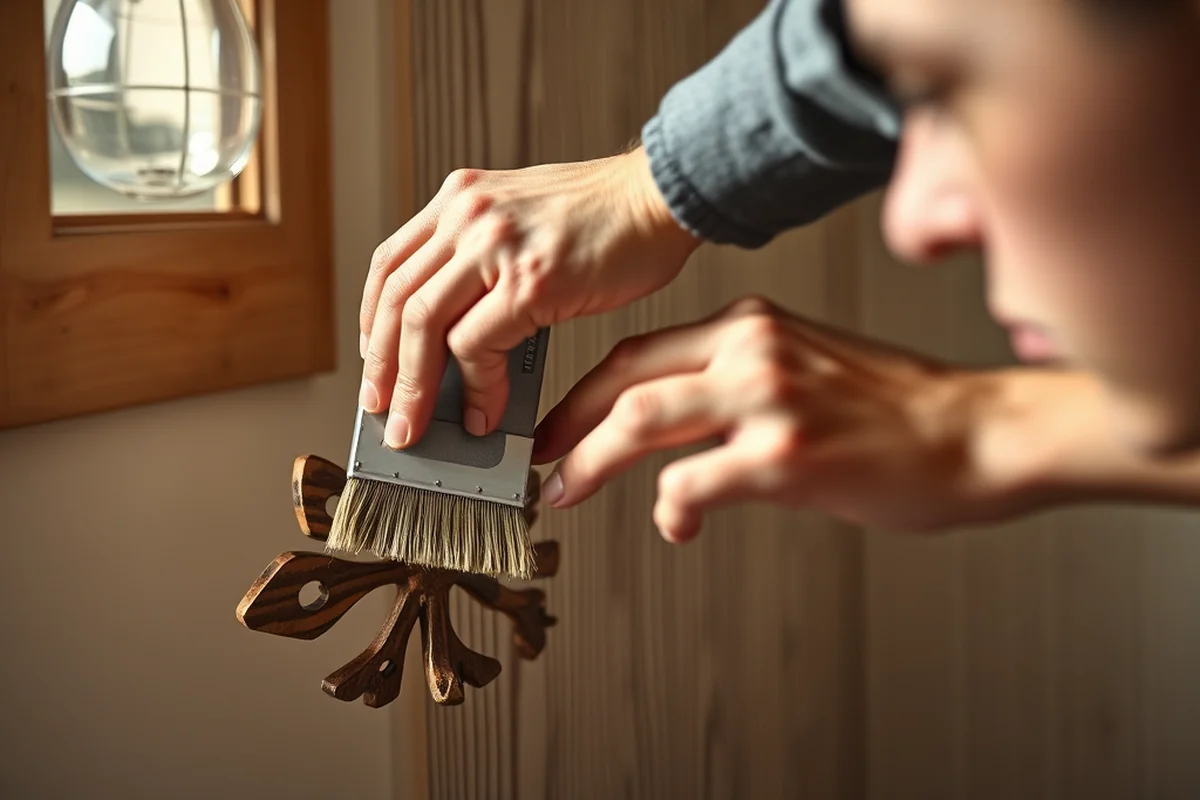
Before you start, make sure you turn off the power to the circuit at the breaker box. This is a critical safety step that I almost skipped once, and I'm glad I caught myself in time. Once the power is off, use a voltage tester to confirm the wires are not live.
Mounting the fixture involves securing it to the ceiling or wall, depending on the type of light you're installing. I recommend using a ladder and a helper for larger fixtures, as they can be quite heavy. I once installed a large chandelier alone, but it was a struggle—having a second person to hold the fixture in place made the job much easier.[3]
After attaching the fixture, connect the wires carefully. I once missed a connection and had to redo the entire wiring. Always double-check your work before turning the power back on. Once everything is secure, attach the light bulb and turn the power back on to test the fixture.
Turn off the power, test the wires, and always double-check your work.
Related: Dining room decor
DIY Light Fixtures: A Creative Alternative
Building your own light fixture gives you complete control over the design, materials, and functionality of your piece. I once made a pendant light using reclaimed wood and old glass bottles, and it turned out to be one of the most unique pieces in my home. It was a bit of a learning curve, but the end result was worth the effort.
You can use a variety of materials, from metal tubing and glass shades to fabric and wood. I recommend starting with a simple design and working your way up to more complex projects as you gain confidence. I once tried to build a chandelier with multiple tiers and ended up with a piece that was more complicated than I expected. It took me a few attempts, but eventually, I got it right.[4]
When building your own fixture, make sure you use the right tools and materials. I've found that using a drill, screwdriver, and a few basic hardware pieces can help you assemble your fixture without any major issues. Always follow the manufacturer's instructions and take your time to ensure everything is secure.
If you're new to DIY light fixtures, start with a simple design and use basic materials. This will help you gain confidence and avoid frustration.
“I still remember the first time I replaced the outdated chandelier in my dining room.”— Customizing Dining Chairs editors
Related: What is a banquet hall
Maximizing Light with the Right Bulbs
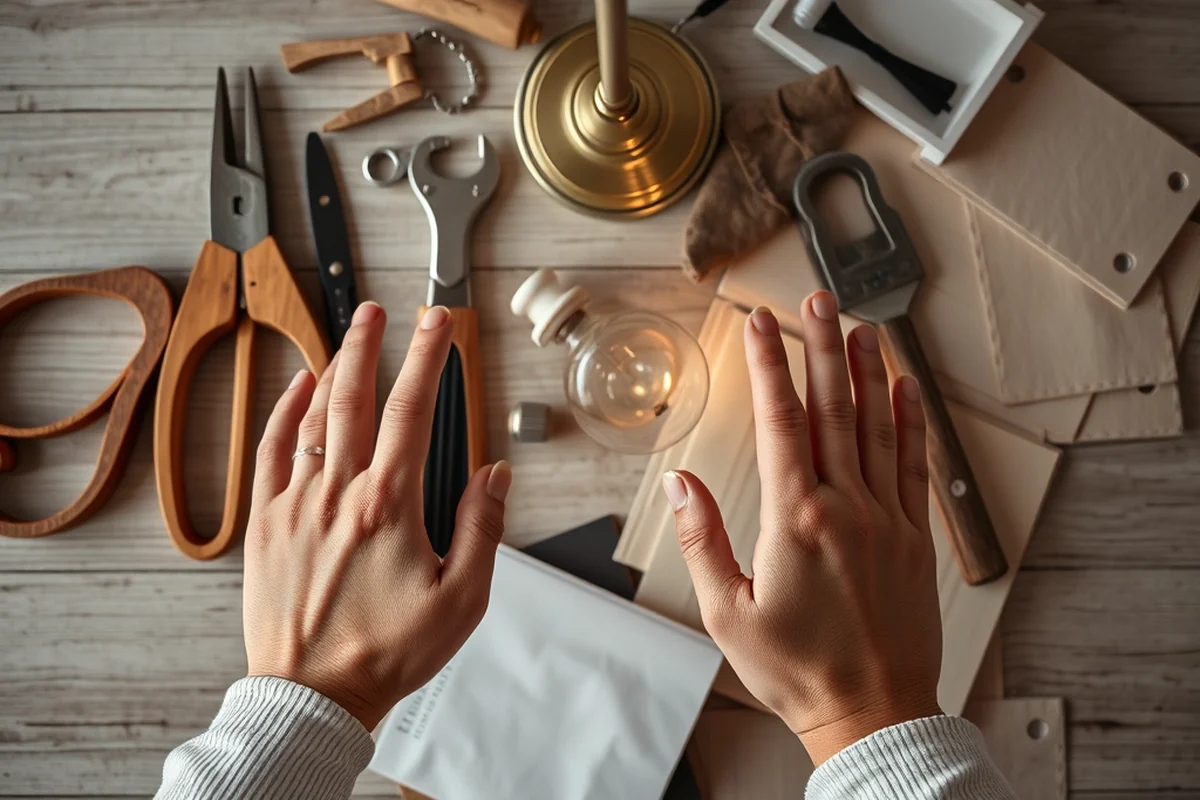
Light bulbs come in a variety of types, each with its own benefits. LED bulbs are energy-efficient and long-lasting, but they can be dimmer than traditional incandescent bulbs. I've found that using LED bulbs with a higher lumen output can help you achieve the same level of brightness as incandescent bulbs.
Color temperature is another important factor. Warm white bulbs (2700K-3000K) create a soft, inviting glow, while cool white bulbs (4000K-5000K) provide a brighter, more neutral light. I once used a cool white bulb in my dining room, and it made the space feel too clinical. Switching to a warm white bulb immediately made the room feel more cozy.
Dimmable bulbs are a great option if you want to adjust the lighting in your space. They allow you to create different moods, from a bright, functional light for meals to a softer glow for conversation. I've used dimmable bulbs in my dining room and found that they add a lot of versatility to the space.
Related: In the dining room
Maintaining Your Dining Room Light Fixtures
Dust and debris can accumulate on your light fixtures over time, especially if they're located near windows or in high-traffic areas. I usually clean my fixtures every few months using a soft cloth and a mild cleaning solution. This helps prevent the buildup of dust and keeps the light shining brightly.
If your fixture has a glass shade, you may need to clean it more frequently, especially if it's a clear or frosted glass. I've found that using a glass cleaner and a microfiber cloth works best for removing smudges and fingerprints. For more stubborn stains, a mild soap solution can be used, but I always make sure to rinse the glass thoroughly afterward.
Periodically check the bulbs and connections to ensure everything is working properly. I once had a fixture that stopped working because the bulb had burned out, and I didn't notice it until a week later. Replacing the bulb promptly can help avoid any unexpected issues.
Related: What is the dining room about
Upgrading Your Fixtures for a Fresh Look
If you're not ready to replace your entire light fixture, consider upgrading the bulbs, shades, or hardware to give your fixture a fresh look. I once updated the shade on my chandelier with a new fabric cover and it instantly transformed the space. It was a simple change, but it made a big difference.
Another option is to add new hardware, such as new chain links or mounting brackets, to update the look of your fixture. I've found that using a metal chain with a rustic finish can give an old fixture a more modern and polished appearance. This is a cost-effective way to refresh your space without replacing the entire fixture.
If you're looking for a more dramatic change, consider replacing the entire fixture with a new design that better suits your home's style. I once replaced my outdated chandelier with a modern, minimalist pendant light, and it completely changed the look of my dining room. It was a bit of an investment, but the results were worth it.
A few small changes can make a big difference in your space.
Related: Outdoor dining near me
Creating a Cohesive Lighting Scheme
In addition to your main dining room light fixture, consider adding additional lighting sources to create a more balanced and functional space. Task lighting, such as under-cabinet lighting or wall sconces, can be a great addition to your dining room. I've found that adding a few strategically placed sconces has helped create a more layered and inviting atmosphere.
Ambient lighting is another important aspect of a cohesive lighting scheme. This type of lighting provides a general, even illumination throughout the room. I use a combination of overhead lighting and table lamps to create a warm and inviting space. This allows me to adjust the lighting depending on the time of day or the occasion.
Layering your lighting sources can help create a more dynamic and functional space. I recommend using a mix of overhead, task, and ambient lighting to achieve the best results. This allows you to create different moods and settings, from a bright and functional space for meals to a more relaxed and cozy environment for conversation.
💰 Budget Build
A cost-effective way to upgrade your dining room with a new light fixture using affordable materials and simple DIY techniques.
⏰ Weekend Version
A quick and easy project that can be completed over the weekend with minimal time and effort.
✨ Upgraded Finish
A project focused on enhancing the aesthetics of your existing fixture with new finishes, hardware, or glass shades.
📐 Small-Space Adaptation
A tailored approach for smaller dining rooms, using compact fixtures and efficient lighting solutions.
🔒 Rental-Safe Option
A temporary or non-invasive solution for renters who want to upgrade their space without making permanent changes.
| The mistake | Why it happens | The fix |
|---|---|---|
| Not turning off the power before installing the fixture | This can be extremely dangerous and lead to electric shocks or even fires. | Always turn off the power at the breaker box before working on any electrical project. |
| Using the wrong type of bulb | Using the wrong type of bulb can cause the fixture to overheat or not function properly. | Always use the type of bulb recommended by the manufacturer. |
| Not securing the fixture properly | An improperly secured fixture can fall and cause injury or damage to your home. | Make sure the fixture is securely mounted and all screws are tightened properly. |
| Ignoring the color temperature of the bulbs | Using bulbs with the wrong color temperature can make the space feel too bright or too dim, affecting the overall ambiance. | Choose bulbs with the appropriate color temperature based on your lighting needs and preferences. |
Dining Room Light Fixtures
Common Questions
Can I install a dining room light fixture myself?
What is the best type of bulb for a dining room light fixture?
How do I choose the right size fixture for my dining room?
Can I use a dimmer switch with my dining room light fixture?
References
Cite this guide
Customizing Dining Chairs (2026). Dining Room Light Fixtures. https://chairscape.com/dining-room-light-fixtures/
Feel free to cite or share this guide.