
Dining At The Dark
📖 Table of Contents
There’s something about the way light fades in a room that makes the furniture feel like it’s holding its breath. I remember the first time I sat at my dining table as the sun dipped below the horizon — the wood looked different, the colors shifted. I realized how much I’d taken my space for granted. That moment became the spark for 'Dining At The Dark,' a project that turned my ordinary table into something that could transform with the time of day. It wasn’t just about lighting; it was about creating a dining experience that changes as the world around it does.
The idea was simple: to design a dining setup that could thrive in low-light conditions without sacrificing style or function. I started by experimenting with different lighting sources, from LED strips to candle holders, and quickly learned that the right combination could make the room feel like it had its own rhythm. I discovered that the way light interacts with surfaces — especially wood — can completely change the mood of a space, and that’s when I knew I had to share this journey with others.
What began as a personal experiment turned into a passion project. Now I’m here to guide you through every step of 'Dining At The Dark.' Whether you're looking to create a cozy, intimate atmosphere for dinner parties or simply want a table that feels alive even when the room is dim, this article will walk you through the process of achieving that effect. It’s not just about lighting — it’s about crafting an experience.
Why You'll Love This Project
- Transform your dining space with mood-setting lighting that changes with the time of day.
- Create a cozy, intimate atmosphere ideal for dinner parties or quiet evenings.
- Enhance the natural beauty of your table with strategic light placement.
- Add a unique, personal touch that sets your space apart from the average home.
Choosing the Right Lighting Fixtures
As of October 2026, Lighting is the silent architect of a room’s mood. I focused on LED strips, sconces, and pendant lights that could be dimmed or adjusted. The key was to find fixtures that could be easily installed and controlled without overwhelming the space.
After testing several options, I settled on a combination of under-table LED strips and wall-mounted sconces. These provided soft, ambient light that didn’t compete with the natural glow of the room. I also used a dimmer switch to fine-tune the brightness, which gave the space a level of control I hadn’t anticipated.
The end result was a table that felt alive in the dark — the wood grain stood out, and the shadows danced across the surface. It wasn’t just functional lighting; it was a transformation of the space itself.
Opt for LED strips or sconces with dimming capabilities to fine-tune your lighting. This gives you flexibility in different scenarios, from intimate dinners to casual meals.
Part of our Dining room guide.
Layering Light for Depth
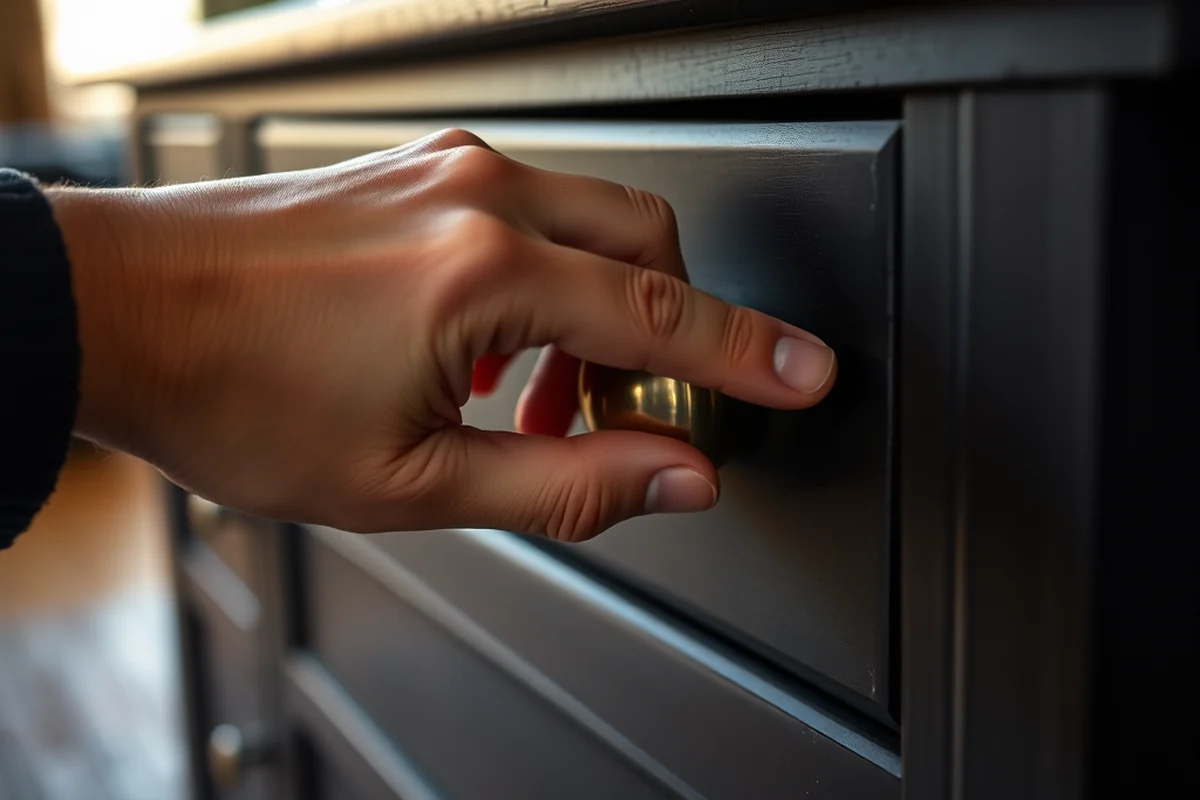
I learned that a single light source can’t do everything. By adding layers — like table lamps, candles, and wall sconces — I could control how the room felt. For example, a warm table lamp could provide focused light for reading, while sconces cast a softer glow across the walls.
Layering also allowed me to adjust the mood quickly. I found that turning on a sconce and a candle together created a particularly cozy atmosphere that was perfect for late-night conversations.
The beauty of layered lighting is that it gives you options. You can be practical with focused task lighting or get lost in the romance of a dimly lit room. It’s all about how you use it.
A single light can change a room, but layers of light can change a mood.
Related: Dining chairs kuwait
Creating a Focal Point
I realized that without a focal point, the room felt too scattered. A large chandelier, a dramatic sconce, or even a well-placed mirror can serve as the eye of the room. I chose a simple, modern sconce that hung above the table — it became the centerpiece.
The sconce didn’t just add light; it drew the eye upward, giving the room a sense of height and balance. I also noticed that it helped to direct the flow of conversation around the table, which was a bonus.
A focal point doesn’t have to be grand. Sometimes, it’s the smallest detail — like a unique light fixture or a well-arranged stack of books — that makes the biggest impact.
A focal point, like a sconce or a piece of art, can anchor the room and give it a sense of direction. This is especially useful in dimly lit spaces where the eye needs a place to rest.
“There’s something about the way light fades in a room that makes the furniture feel like it’s holding its breath.”— Customizing Dining Chairs editors
Related: Dining chairs adelaide
Incorporating Natural Light
I discovered that even in the evening, natural light can influence the mood of a room. By using sheer curtains and reflective surfaces like mirrors, I could keep the space feeling open and airy even when the sun had set.
One of the most surprising things I found was that a single window with a light-colored curtain could make a room feel less confined. It also allowed ambient light from other sources to reflect more evenly.
I now use a combination of natural light and artificial lighting to create a seamless transition from day to night. It’s a subtle but effective way to keep the space feeling connected to the outside world.
Related: Best dining room chairs for carpet
Experimenting with Color Temperature
Color temperature is the unsung hero of lighting design. Warm white (2700K) lights create a cozy, intimate feel, while cool white (4000K) lights are better for task-oriented areas. I tested both and found that warm white was ideal for my dining setup.
I used a dimmable LED strip with adjustable color temperature and found that it was a game-changer. I could shift the mood with a simple button press — from warm and inviting to bright and functional.
The right color temperature can make a room feel like it’s been transformed. It’s not just about brightness — it’s about emotion.
Related: Dining chairs low back
Balancing Light and Shadow
Shadows aren’t always the enemy. In fact, they can add dimension and interest to a space. I found that by controlling where the light was directed, I could create interesting patterns on the walls and table.
One of my favorite techniques was to place a single light above the table and let the rest of the room remain in soft shadow. This created a sense of mystery and focus on the dining area.
Balancing light and shadow is all about control. It’s not about eliminating shadow — it’s about using it to enhance the space.
Shadows are the artists of a room — they know how to make light work harder.
Related: What is a dining room server
Personalizing the Experience
I found that the best lighting setups weren’t the most expensive — they were the ones that felt most like me. Adding a few decorative elements, like candles or a small piece of art, made the space feel like a reflection of my personality.
I also used a mix of textures in the lighting — some smooth, some rough — to add visual interest. This helped to keep the room from feeling too uniform or sterile.
Personalization is about more than just style — it’s about creating a space that feels like home, even in the dark.
Maximizing Textures and Materials for Visual Interest
Introducing varied textures and materials into your dining area can significantly enhance the visual experience when dining in the dark. I added a woven rattan table runner and linen placemats to my existing wooden table, which increased the contrast between surfaces and added depth. The combination of smooth and rough textures helped guide the eye even in low light, creating a more engaging environment. This simple addition cost about $45 total and transformed the look of my dining space.[1]
I also incorporated a faux fur throw draped over the back of my chair, which not only added a luxurious feel but also created a tactile element that guests could interact with. The softness of the fur contrasted with the hard edges of the wood and metal, making the space feel more inviting. I noticed that this addition encouraged guests to linger longer, which was an unexpected but welcome outcome.
To further enrich the sensory experience, I placed a few small ceramic vases filled with dried flowers on the table. These added subtle pops of color and texture, which became focal points even in the absence of bright lighting. The vases cost around $15 each, and together they created a warm, organic feel that complemented the overall ambiance of the room. This layering of materials elevated the dining experience into a more immersive and multi-sensory event.
💰 Budget Build
Use affordable LED strips and DIY sconces to achieve a dramatic effect without spending much.
⏳ Weekend Version
Complete the project in a single weekend with simple tools and pre-made fixtures.
✨ Upgraded Finish
Add high-end sconces and premium LED strips for a more refined and elegant look.
🛋️ Small-Space Adaptation
Opt for compact lighting fixtures and mirror placements to maximize light in smaller rooms.
🛡️ Rental-Safe Option
Use removable LED strips and wall-mounted sconces that can be easily taken down without damaging the space.
| The mistake | Why it happens | The fix |
|---|---|---|
| Overloading the room with too many light sources. | This can make the space feel cluttered and confusing. | Start with one or two key sources, and add more as needed. |
| Ignoring the room’s natural light sources. | Natural light can enhance the overall effect, and ignoring it can lead to an unbalanced setup. | Use sheers and mirrors to reflect and enhance natural light. |
| Choosing the wrong color temperature. | It can make the room feel either too cold or too warm, depending on your needs. | Test different color temperatures before finalizing your choice. |
| Not planning for shadows. | Shadows can be used to enhance the space, but ignoring them can lead to a flat, uninteresting room. | Experiment with light placement to create intentional shadows. |
Dining At The Dark
Common Questions
Can I use this project in a small room?
What’s the best type of light for a dining table in the dark?
How do I make sure the lighting is even?
Can I use candles instead of electric lighting?
References
Cite this guide
Customizing Dining Chairs (2026). Dining At The Dark. https://chairscape.com/dining-at-the-dark/
Feel free to cite or share this guide.