
Customizable Dining Chair Covers
📖 Table of Contents
I remember the first time I decided to make my own dining chair covers. My dining room was starting to feel outdated, and I didn’t want to spend a fortune on new furniture. I had a few old chairs that I loved but needed a fresh look. After some research and a few trial runs, I discovered that customizable dining chair covers were the perfect solution. Not only did they transform the space, but they also gave me the satisfaction of a project I completed with my own hands.[1]
Customizable dining chair covers are more than just a stylish upgrade—they’re a way to personalize your space without breaking the bank. Whether you're looking to match a new color scheme, add comfort, or simply protect your furniture from daily wear, these covers offer a versatile and practical option. I've tested several materials and methods, and I can tell you with confidence that the right cover can make a world of difference in both appearance and comfort.
What I love most about customizable dining chair covers is how they blend functionality with aesthetics. They’re easy to make, especially if you follow a few key steps, and they can be tailored to fit any chair. I've made covers for both dining and living room chairs, and the process has been surprisingly straightforward. If you're looking for a simple, impactful DIY project that you can complete in a weekend, this is the one.
Why You'll Love This Project
- Customize your space without costly furniture upgrades
- Protect your chairs from spills, scratches, and fading
- Add comfort and style with minimal effort and cost
- Create a cohesive look that reflects your personality
Choosing the Right Fabric
As of August 2026, when I first started this project, I didn’t realize how much the fabric choice would impact the final result. I tested several materials, including cotton, microfiber, and velvet, and found that microfiber offered the best balance of comfort and durability. It’s also easier to clean, which is a huge plus for a dining room chair that sees regular use.
Cotton is another great option, especially if you're looking for a more breathable and natural look. However, it can wrinkle easily and may not hold up as well over time. Velvet, while luxurious, tends to show dirt more quickly and can be harder to clean. I recommend sticking with microfiber or a similar synthetic fabric for the best results.[2]
I also looked into the cost of materials and found that microfiber fabric can be purchased for as little as $2 per yard, which makes it a budget-friendly option. I used about 3 yards for each chair cover, and the total fabric cost was around $6 per chair. That’s far more affordable than buying ready-made covers from the store.
Look for microfiber or similar synthetic fabrics that are durable, easy to clean, and budget-friendly.
Part of our Dining chair guide.
Measuring and Cutting Fabric
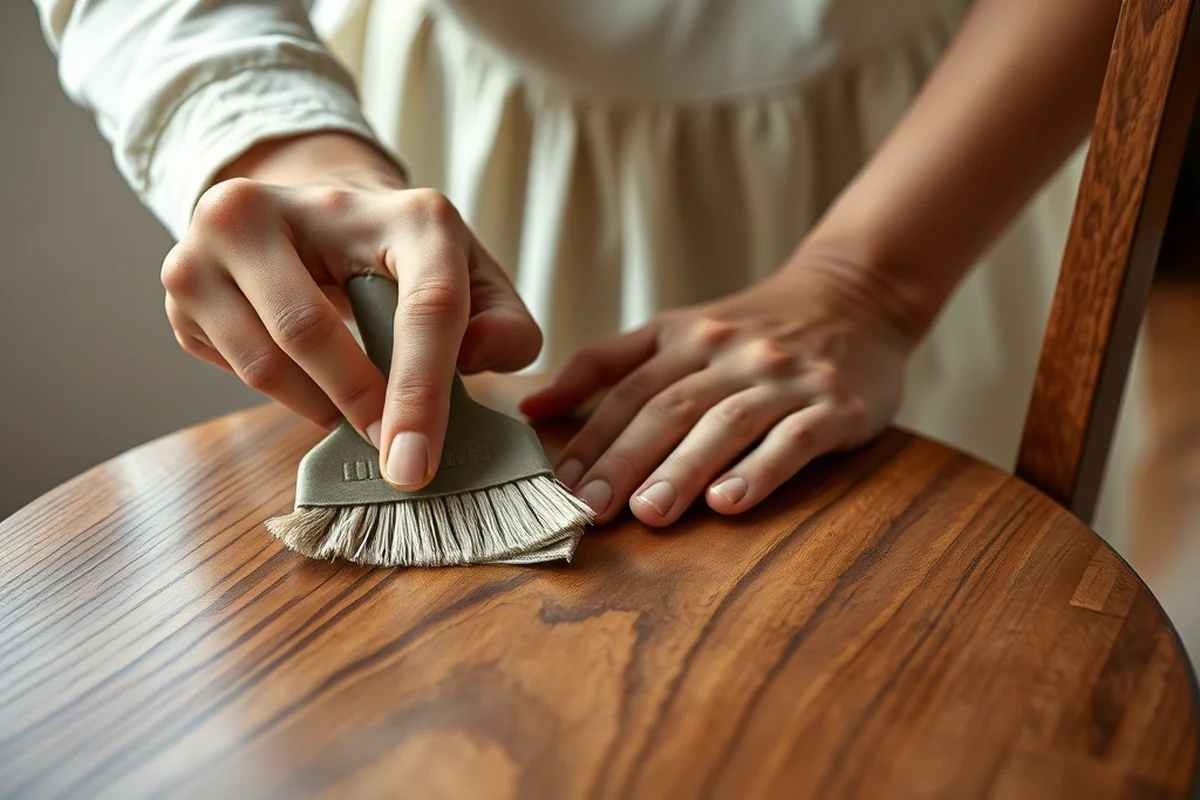
Measuring your chair is the first step in creating a custom cover. I used a tape measure to get the height, width, and depth of each chair. For a chair with a backrest, I measured the full height from the seat to the top of the backrest, and then the width from one side to the other.
I found that adding an extra 2 inches to the width and height helped with ease of fitting and prevented the cover from feeling too tight. After taking measurements, I used a fabric marker to mark the dimensions on the fabric. Then, I carefully cut along the lines using sharp fabric shears, which made the process much smoother.
One thing I learned the hard way was not measuring the chair in the correct position. I had to redo the measurement after realizing that the chair was slightly curved on the sides. Taking extra time to double-check your measurements is well worth it to avoid mistakes later.
Measure twice, cut once—this is a mantra I live by.
Related: Customize dining chairs
Related: Dining chairs easy storage
Related: How to cushion dining chairs
Related: Can you reupholster dining chairs
Related: Custom Dining Chair
Related: Custom Dining Chair Cover
Related: Customizable Chair For Toddler
Related: Dining Room Chair Covers
Related: Custom Dining Chair Seat Covers
Related: What Is A Bath Chair
Related: Dining Chair Seat Covers
Related: Table And Chair Rentals
Related: Chair Beds For Small Spaces
Related: Recliner Chair Covers
Related: Round Table Pizza
Related: What Is Drafting Table
Related: Kitchen Chair Cushions With Ties
Creating a Custom Fit
To get a perfect fit, I used a technique called 'dapping' to create a tailored look around the chair. This involves folding the fabric over the chair and pinning it in place before cutting. I used a large dapping block and a pair of fabric shears to make precise cuts around the seat and backrest.
I also added a small seam allowance of 1/2 inch around the edges to make sure the cover would fit securely. This helped prevent the fabric from slipping or shifting over time. After cutting, I used a sewing machine to sew the pieces together, making sure the seams were neat and even.
This method took about 45 minutes per chair, but the result was well worth the effort. The cover fit perfectly and looked like it had been made by a professional. It was a bit tricky at first, but with some practice, it became much easier.[3]
Dapping the fabric around the chair ensures a snug, tailored fit that looks professional and lasts longer.
“I remember the first time I decided to make my own dining chair covers.”— Customizing Dining Chairs editors
Related: Custom Plastic Dining Chair Covers
Adding Straps for Stability
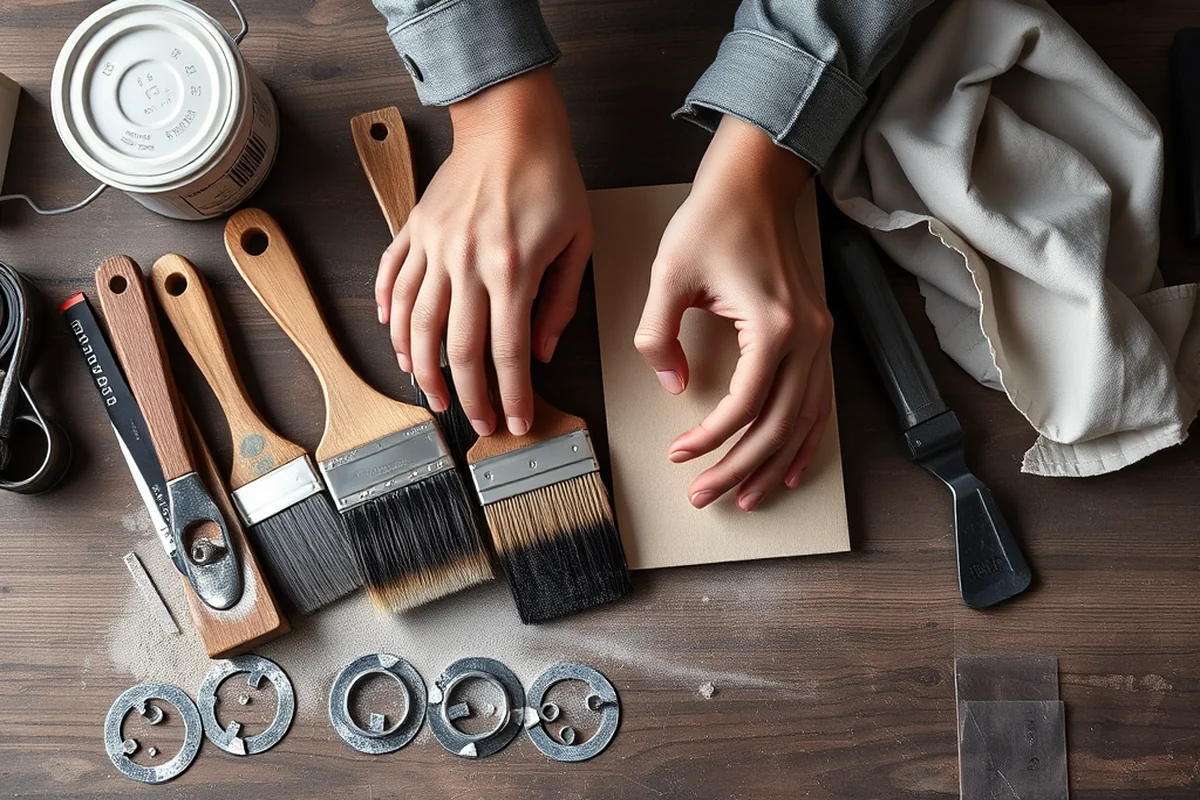
I added elastic straps to each cover to keep them in place. I measured the width of the chair at the seat and cut the elastic to fit. Then, I sewed the ends of the elastic together to form a loop. I attached these loops to the inside of the cover using a sewing machine.
I used a simple overlock stitch to secure the elastic in place, which prevented the fabric from fraying. I also tested the straps with a few different chair types and found that they worked well on both standard dining chairs and armchairs.
Adding the straps took about 10 minutes per chair, and they made a huge difference in how secure the cover felt. I found that the elastic stretched slightly, making it easier to put the cover on and take it off without damaging the fabric.[4]
Styling and Adding Finishing Touches
Once the cover was sewn and the straps were attached, I added a few finishing touches to make it look even better. I used a steam iron to press the seams flat, which gave the cover a crisp, professional look. I also applied a fabric stiffener to the edges to help them hold their shape better.
I experimented with different color choices, and I found that using a fabric color that was slightly darker than the chair itself created a nice contrast. This made the chair look more defined and added a touch of sophistication to the space.
I also added decorative trim along the bottom of the cover, which gave it a more finished look. This trim was made from a soft, woven fabric that matched the chair cover and added a nice texture to the design.
Testing and Adjustments
After I completed the first chair cover, I tested it on the chair to see how it looked and felt. I sat on it for a few minutes and noticed that the fabric was slightly stiff at first, but it softened up after a few hours. I also checked for any pinholes or loose stitches and made sure everything was secure.
I found that the cover was slightly too tight on the backrest at first, so I adjusted the seam allowance a bit more to give it more room. This small change made a big difference in how comfortable the cover felt.
After a few minor adjustments, the cover fit perfectly and felt like a natural extension of the chair. I was happy with the result and started making more covers for the rest of the chairs in my dining room.
A little adjustment can make all the difference in the final look and feel.
Maintaining and Cleaning Your Covers
I discovered that cleaning the covers was easier than I expected. I used a mild fabric cleaner and a soft cloth to wipe down the covers after spills. For more stubborn stains, I used a small amount of water and a gentle detergent, which worked wonders.
I also found that hanging the covers to dry after cleaning helped prevent wrinkles and kept the fabric looking smooth. I avoided using the dryer because I noticed that the fabric sometimes stretched slightly in the machine, which affected the fit.
Regular maintenance like this helped the covers stay in excellent condition for months. I even noticed that the fabric didn’t fade or wear as quickly as I expected, which was a pleasant surprise.
💰 Budget Build
Create a simple, no-frills chair cover using affordable fabric and minimal tools. Ideal for those looking to save money without sacrificing style.
⏰ Weekend Version
Finish your project in one day by using pre-cut fabric and simple sewing techniques. Great for those who want a quick and easy DIY upgrade.
✨ Upgraded Finish
Add extra details like trim and stiffeners to give your chair covers a polished, designer look that feels luxurious and refined.
🛋️ Small-Space Adaptation
Tailor your covers to fit smaller chairs or even bar stools, perfect for apartments or compact living spaces.
🏠 Rental-Safe Option
Use removable, washable covers that are easy to clean and don’t damage the furniture underneath, ideal for temporary living situations.
| The mistake | Why it happens | The fix |
|---|---|---|
| Not measuring the chair correctly | Inaccurate measurements can lead to a cover that doesn’t fit properly, which can make the project look unfinished. | Measure the chair in multiple positions and add a little extra fabric for ease of fitting. |
| Using the wrong type of fabric | Choosing a fabric that’s too delicate or too stiff can affect the comfort and longevity of the cover. | Stick to microfiber or similar durable fabrics that are easy to clean and maintain. |
| Skipping the dapping process | Without dapping, the fabric may not fit snugly around the chair, leading to a loose or uneven look. | Use a dapping block and pin the fabric around the chair before cutting for the best results. |
| Forgetting to add elastic straps | Straps help keep the cover securely in place, and without them, the cover may slip or fall off easily. | Always add elastic straps or use a tailored fit to ensure the cover stays on the chair. |
Customizable Dining Chair Covers
Common Questions
Can I use any fabric for my chair covers?
How long does it take to make a chair cover?
Do I need a sewing machine?
Can I make covers for different chair styles?
References
- Events & Catering - Ashland University (ashland.edu)
- Private Events | BARDAVID - The University of Chicago (bardavid.uchicago.edu)
- HOME FURNISHINGS AND RELATED HOUSEHOLD ITEMS (bls.gov)
- Creating Place - City of Charlotte (charlottenc.gov)
Cite this guide
Customizing Dining Chairs (2026). Customizable Dining Chair Covers. https://chairscape.com/customizable-dining-chair-covers/
Feel free to cite or share this guide.