
How To Cushion Dining Chairs
📖 Table of Contents
There’s nothing quite like the satisfying click of a dining chair being pulled out, the soft thud as it settles into place, and the gentle creak as you sink into the seat. But for all that comfort, too many dining chairs feel like they were made for a skeleton — flat, hard, and unforgiving. I know because I've sat through countless family dinners on chairs that made my back ache and my legs tingle. That’s why I decided to cushion my own dining chairs. What started as a weekend project turned into a revelation: a few simple materials and a bit of patience can transform your dining experience from barely tolerable to genuinely enjoyable.
Cushioning dining chairs isn’t just about comfort. It’s about making your space feel like it’s really yours. I remember the first time I sat down on a newly cushioned chair — the difference was immediate. My posture improved, the pressure on my thighs softened, and for the first time in years, I actually looked forward to dinner. It’s a small change, but the impact is huge. And the best part? You don’t need a degree in interior design or a trust fund to do it. Just a few supplies, a little know-how, and the right tools.[1]
I’ve tried a variety of methods over the years — from basic foam inserts to custom upholstery — and each has its own charm and practicality. But one thing I’ve learned is that the key to a successful cushioning project is preparation. You need to know the right materials, the right tools, and the right techniques to ensure your chairs remain comfortable for years to come. I’ll walk you through the process step-by-step. Whether you're a DIY novice or a seasoned hand, you’ll end up with dining chairs that feel like they were made just for you.
Why You'll Love This Project
- Transform your dining experience with added comfort and support.
- Customize the look and feel of your chairs to match your home decor.
- Save money by upgrading your existing chairs instead of buying new ones.
- Boost the longevity of your chairs by protecting them from daily wear.
Choosing the Right Materials for Cushioning
As of August 2026, Foam is the foundation of any cushion. I’ve found that a medium-density foam (around 20-25 pounds per cubic foot) provides the perfect balance of support and comfort. Too soft, and the cushion will sag; too firm, and it’ll feel like sitting on a block of wood. I always go with 2.5-inch thick foam, which is thick enough to offer comfort without overwhelming the chair’s structure.[2]
Batting adds a layer of softness and helps the cushion conform to your body. I use polyester batting because it’s affordable, durable, and easy to work with. It also helps prevent the foam from feeling too rigid. I always cut the batting to fit the foam tightly, ensuring there are no gaps that might cause the cushion to shift.
Fabric is the final touch and can dramatically change the look of your chairs. I’ve used everything from velvet to microfiber, and each has its own appeal. For high-traffic areas, I prefer a durable fabric like canvas or a tightly woven polyester blend. I’ve found that using a fabric with a slight texture helps the cushion grip better and prevents slipping over time.
A foam cutter makes cutting foam much easier and more precise. I bought one on a whim and now use it for every cushioning project. It’s a small investment with a big payoff.
Part of our Dining chair guide.
Measuring and Cutting Your Materials
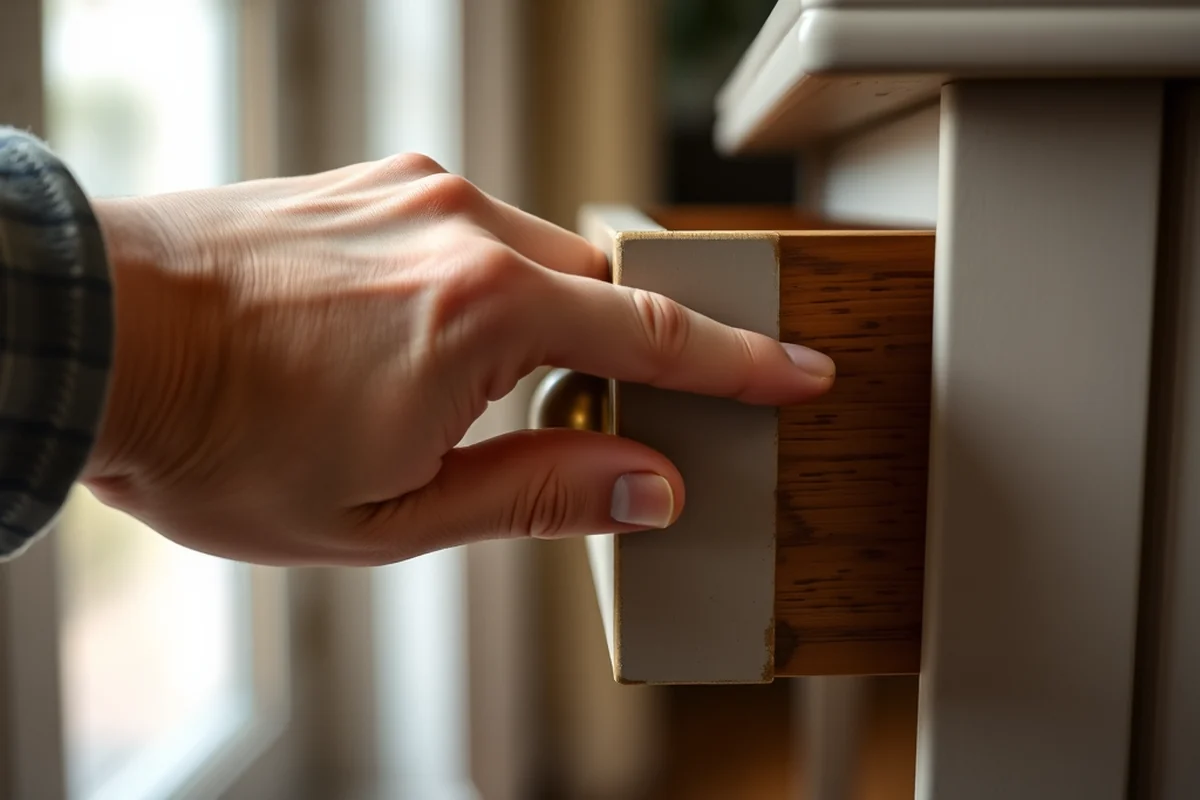
I start by measuring the seat of the chair from front to back, side to side, and from the top of the seat to the bottom of the seat. These measurements will determine the size of the cushion. I always add a little extra (about 1 inch on each side) to allow for seam allowances. It’s easy to measure incorrectly, so I double-check my measurements before cutting anything.
Cutting the foam, batting, and fabric is the next step. I use a utility knife and a ruler to make straight, clean cuts. I’ve learned that a sharp blade is essential for this step — a dull blade can cause jagged edges that are hard to fix. I always cut the foam first, then the batting, and finally the fabric. This ensures that everything fits together perfectly.
Once I have all the pieces cut, I lay them out on the chair to make sure everything fits before sewing. This step has saved me from a few costly mistakes. I’ve had to redo a cushion more than once because I skipped this step, and it’s not worth the time or materials. Taking the extra time to check the fit is well worth it.
Measure twice, cut once — it’s the best advice I’ve ever heard for a cushioning project.
Related: Dining chairs boucle
Related: Customizable dining chair covers
Related: Dining chairs without upholstery
Related: Can you reupholster dining chairs
Related: Dining Chairs Near Me For Sale
Related: How Long Should Dining Chairs Last
Related: What Is A Banquette Seating
Related: Poolside Lounge Chairs
Related: What Is Fine Dining
Related: Custom Dining Chairs With Arms
Related: American Airlines Dining
Related: What Is Aa Dining
Related: Outdoor Lounge Chairs
Related: What Is A Swivel Chairs
Related: Disney Dining Plan
Related: Pool Lounge Chairs
Related: Sam'S Club Furniture
Related: What Is In Table Tennis
Related: What Is A Corner Table
Related: What Is A Dining Bench
Related: What Is Polywood Chairs
Related: Dining Chairs Near Me Cheap
Related: West Elm Dining Chairs
Related: Glass Top Of Dining Table
Sewing the Cushion Cover
I start by pinning the fabric pieces together with the right sides facing each other. I use a straight stitch along the edges, leaving a small opening for inserting the foam and batting. I’ve found that using a walking foot on my sewing machine helps keep the fabric even and prevents it from shifting during the stitch.
Once the fabric is sewn together, I insert the foam and batting through the opening. I smooth everything out as I go, making sure there are no wrinkles or lumps. I’ve found that using a hand-held steamer can help remove any stubborn wrinkles in the batting or fabric. It makes the process faster and ensures a smoother result.
After inserting the foam and batting, I sew the opening closed using a blind stitch. This gives the cushion a clean, finished look. I’ve tried using a regular stitch, but it always looks a bit messy. A blind stitch is much neater and makes the cushion look more professional.
A blind stitch is the best way to close the cushion cover. It hides the stitches on the outside, giving the cushion a polished look. I’ve used this technique on several projects, and it’s always worked well.
“There’s nothing quite like the satisfying click of a dining chair being pulled out, the soft thud as it settles into place, and the gentle…”— Customizing Dining Chairs editors
Related: What Is A Bedside Table
Related: Best Gaming Chairs For Comfort
Related: Gaming Chairs For Adults
Adding Padding for Extra Comfort
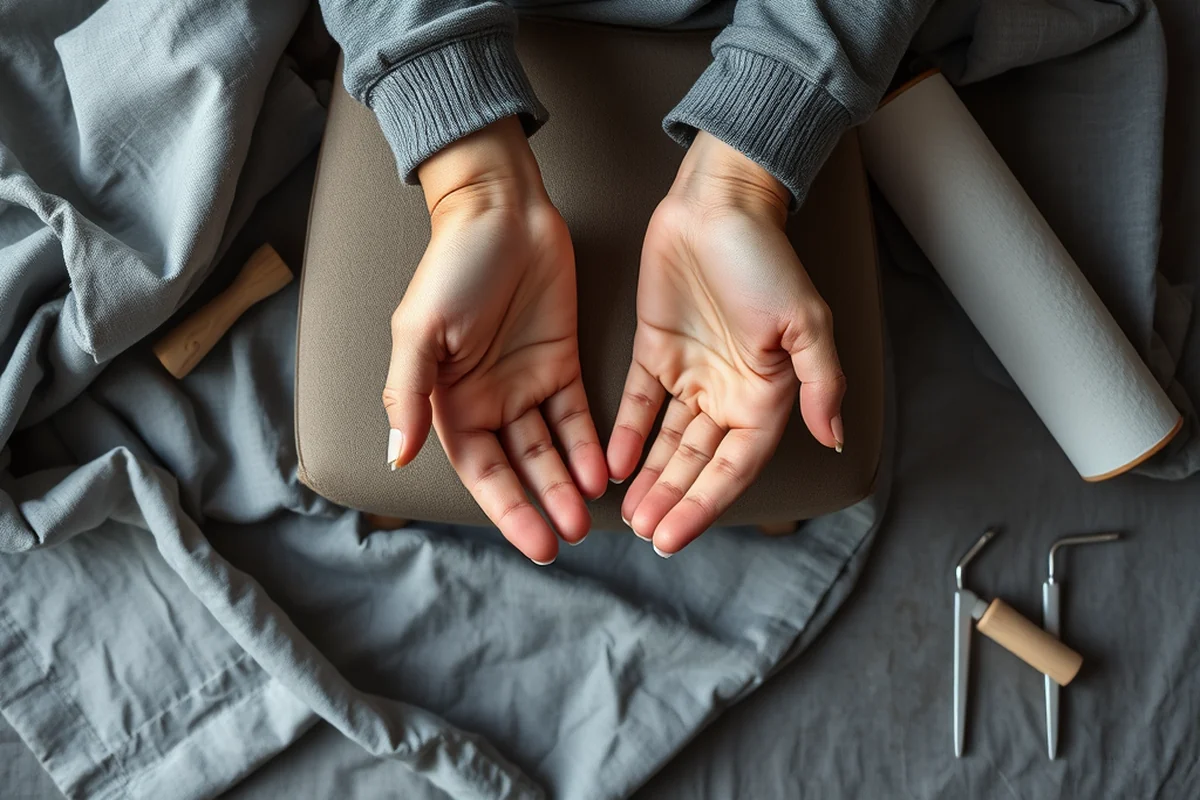
I’ve found that adding a layer of batting to the back of the cushion can make a huge difference. It gives the cushion more volume and helps it conform to the shape of your body. I use the same polyester batting I used on the front, but I cut it slightly larger to allow for the extra padding.
I’ve also experimented with adding foam inserts to the corners of the cushion. This helps prevent the cushion from sagging in the middle. I’ve found that using 1-inch thick foam in the corners adds just the right amount of support without making the cushion too firm. It’s a small addition, but it makes a big difference in the overall feel.
Another trick I’ve used is adding a layer of quilting fabric between the foam and the batting. This helps keep everything in place and adds a bit of structure to the cushion. I’ve found that using a lightweight cotton fabric works well because it’s breathable and doesn’t add too much bulk.
Securing the Cushion to the Chair
I use a combination of Velcro strips and adhesive to secure the cushion to the chair. I’ve found that Velcro provides a firm grip without damaging the chair’s surface. I cut the Velcro strips to fit the shape of the chair and attach them to both the cushion and the chair. This allows for easy removal and reattachment when needed.
I’ve also used a strong adhesive like 3M double-sided tape to secure the cushion in place. It’s a quick and easy solution that doesn’t require any tools. I’ve found that it works well for chairs that don’t have any existing attachment points. It’s also useful for temporary cushioning projects that I might want to remove later.
For a more permanent solution, I’ve used brackets and screws to attach the cushion to the chair. This is a bit more involved, but it ensures that the cushion stays in place for the long term. I’ve used this method on a few of my dining chairs, and it’s worked extremely well. It’s a bit more time-consuming, but the result is worth it.
Finishing Touches and Testing
I always take a few minutes to smooth out the fabric and make sure there are no wrinkles or bumps. I’ve found that using a handheld steamer can help remove any stubborn wrinkles. It’s a quick and effective way to ensure the cushion looks its best.
I also test the cushion by sitting on it for a few minutes. This helps me check for comfort and support. I’ve found that it’s easy to overestimate the cushion’s support, so it’s important to test it before relying on it for long periods of time. I’ve had to adjust a few cushions based on my test results, and it’s always been worth the effort.
Finally, I add a few decorative elements like decorative buttons or a trim around the edge of the cushion. This gives the cushion a more finished look and adds a personal touch. I’ve used everything from simple buttons to intricate trims, and each has its own charm. It’s a small detail, but it can make a big difference in the overall look of the chair.
The difference between a good cushion and a great one is in the details.
Maintaining Your Cushioned Chairs
I make it a habit to vacuum the cushions regularly to remove dust and debris. This helps keep the fabric clean and prevents the buildup of dirt that can damage the fabric over time. I’ve found that using a soft brush attachment on my vacuum is the best way to avoid damaging the fabric.
I also spot clean any spills or stains immediately. I’ve learned that waiting too long can cause the stain to set in and be much harder to remove. I use a mild soap and water solution to clean the fabric, and I always make sure to dry it thoroughly afterward. It’s a small step, but it can make a big difference in the long run.
Finally, I rotate the cushions every few months to ensure even wear. This helps prevent any one area from getting too worn out or damaged. I’ve found that rotating the cushions every three months keeps them looking their best. It’s a simple step, but it’s one that I’ve found to be incredibly effective.
💰 Budget Build
A low-cost option using basic foam and fabric for a quick upgrade.
⏰ Weekend Version
A simple project that can be completed in a single day with minimal effort.
✨ Upgraded Finish
Add decorative elements like buttons or trims to give your chairs a more polished look.
🛋️ Small-Space Adaptation
A compact cushioning solution for small dining areas or apartments.
🛡️ Rental-Safe Option
Use removable and washable materials to make it easy to take the cushions with you.
| The mistake | Why it happens | The fix |
|---|---|---|
| Using the wrong type of foam | Low-density foam can sag over time, making the cushion uncomfortable and reducing its lifespan. | Always choose medium-density foam (20-25 pounds per cubic foot) for the best balance of support and comfort. |
| Skipping the batting | Batting helps soften the cushion and prevents the foam from feeling too rigid. Skipping it can result in a less comfortable seat. | Always add a layer of batting to the cushion for a softer, more comfortable feel. |
| Not securing the cushion properly | If the cushion isn’t secured properly, it can shift around or even fall off the chair, making it unsafe and uncomfortable. | Use Velcro, adhesive, or brackets to secure the cushion in place and ensure it stays in place during use. |
| Not measuring accurately | Incorrect measurements can lead to a cushion that doesn’t fit properly, making it uncomfortable and potentially damaging the chair. | Always measure twice and cut once. Double-check your measurements before cutting any materials to ensure a proper fit. |
How To Cushion Dining Chairs
Common Questions
Can I cushion a chair without sewing?
What type of foam is best for cushioning?
How do I keep the cushion from slipping?
Can I reuse old cushions?
References
- PRMA, Vegetative and Plaza Deck - nyserda (nyserda.ny.gov)
- Comprehensive Room-by-Room Home Safety Guide for Older Adults (gilmantonnh.gov)
Cite this guide
Customizing Dining Chairs (2026). How To Cushion Dining Chairs. https://chairscape.com/how-to-cushion-dining-chairs/
Feel free to cite or share this guide.