
What Is Table Cloth
📖 Table of Contents
- What Exactly Is a Table Cloth?
- Choosing the Right Material for Your Tablecloth
- The Importance of Fit and Size
- How to Choose the Right Color and Pattern
- The Role of Tablecloths in Different Settings
- Caring for and Maintaining Your Tablecloths
- How to Style Your Table with a Tablecloth
- Make It Your Way
- Frequently Asked Questions
I remember the first time I set a table for a dinner party, the clatter of plates and the nervous energy of my guests made me realize how much a simple detail like a tablecloth could transform the mood of the room. It wasn't just about covering the table — it was about creating a visual anchor that softened the edges of the room and made the event feel more intentional. That moment taught me that a tablecloth isn't just fabric; it's a design element that can elevate the whole setting. I've since learned that choosing the right tablecloth involves more than just picking a color or pattern — it's about understanding materials, fit, and function, which is exactly what this article is about.[1]
When I first started experimenting with tablecloths, I was overwhelmed by the sheer variety of options — from linen to cotton, from rustic textures to sleek, modern finishes. I remember spending hours in a store, trying to decide between a lightweight polyester and a heavy-duty wool, only to come home and realize that I didn't know what I needed. It wasn't until I took a step back and considered the purpose of the tablecloth — whether it was for daily use, a special occasion, or even a rental — that things began to make sense. This article will guide you through the process of understanding what a tablecloth really is, how to choose the right one, and why it matters more than you might think.
What is a tablecloth, exactly? It's not just a piece of fabric, and that's what I learned after spending a weekend sewing my own. I had assumed it was a simple rectangle of material, but when I actually measured the table, cut the fabric, and pinned it to the table, I realized the intricacies involved. A tablecloth has to drape properly, hang evenly, and be durable enough to withstand daily use. I learned that the right tablecloth can turn a bare, utilitarian table into a statement piece, and that's the power of a well-chosen tablecloth — it's an investment in both aesthetics and functionality.[2]
Why You'll Love This Guide to Understanding What Is Table Cloth
- Discover the different materials and their unique properties for every need.
- Learn how to choose the right size and fit for your table and space.
- Understand the role of tablecloths in both design and practicality.
- Explore tips on caring for and maintaining your tablecloths over time.
What Exactly Is a Table Cloth?
As of November 2026, at its most basic, a tablecloth is a rectangle of fabric that covers a table. But it's more than that — it's a functional and decorative element that can dramatically change the look and feel of any space. I remember the first time I bought a tablecloth for my dining table. It was a simple white linen fabric, and when I spread it out, the table felt more welcoming, more complete. It added texture and warmth to the room, something that wasn't there before.[3]
Tablecloths are used in a variety of settings, from home dining to restaurants and events. They serve multiple purposes: protecting the table from spills, scratches, and heat, while also enhancing the visual appeal of the table and the space around it. For instance, when I hosted a dinner party, the tablecloth I chose was a deep navy blue with a subtle pattern, and it made the table feel more elegant and refined.
A good tablecloth should be durable, easy to clean, and appropriate for the intended use. I've found that natural fibers like cotton and linen are great for everyday use, while synthetic materials like polyester or blends are better for high-traffic areas. The right choice can turn a simple table into a focal point of a room.
When measuring your table, add 12 to 18 inches to each side to ensure the tablecloth hangs evenly and comfortably. I once made the mistake of not adding enough extra, and the tablecloth looked too tight.[4]
Part of our Dining table guide.
Choosing the Right Material for Your Tablecloth
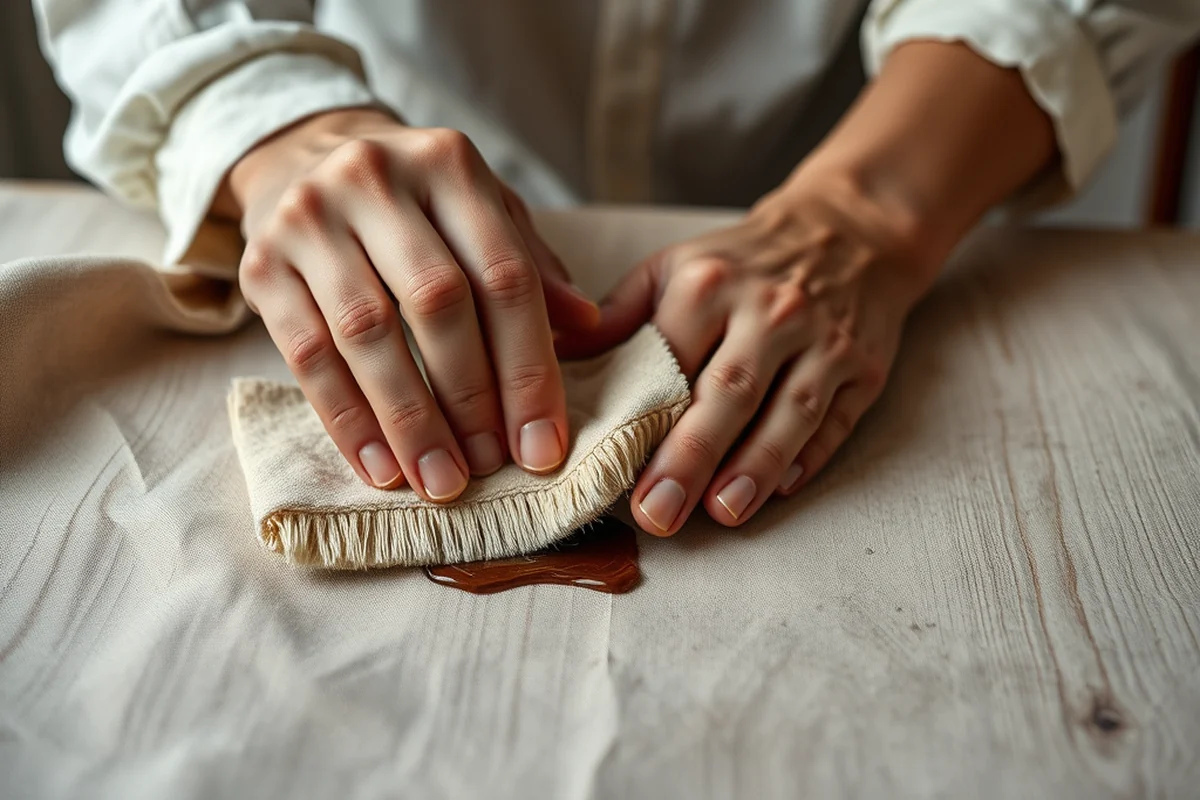
The material of a tablecloth is a crucial factor in its performance and appearance. I spent weeks experimenting with different fabrics, from linen to cotton to polyester blends, and each offered a different experience. Linen, for example, is a natural fiber that becomes softer with use and has a rustic, elegant look. However, it is also more expensive and may shrink during the first wash.
Cotton is another popular choice. It's affordable, durable, and easy to care for, making it ideal for everyday use. I've found that cotton tablecloths are particularly useful in homes with children or pets, as they resist stains and can be washed frequently without losing their shape.
Synthetic materials like polyester or blends are often used in commercial settings. They are wrinkle-resistant, easy to clean, and less likely to shrink. However, they don't offer the same natural feel as cotton or linen. I've used polyester tablecloths in my kitchen, and they've held up well to spills and frequent use.
The right material can make all the difference in the look and feel of your table.
Related: What is table cover
The Importance of Fit and Size
Size and fit are just as important as the material when choosing a tablecloth. I remember buying a tablecloth that was slightly too small for my table, and it looked awkward — it didn't hang evenly, and the table didn't feel complete. After that, I made a point to measure my table precisely and add extra inches to each side for a proper drape.
The ideal size of a tablecloth depends on the table's dimensions and the desired look. For a standard dining table, a tablecloth that reaches the floor or just above the floor is a popular choice. I've found that this length adds a sense of grandeur to the table, especially when paired with elegant chairs.
With rectangular tables, it's important to measure the length and width accurately. A tablecloth that's too small will create a cluttered appearance, while one that's too large may overwhelm the table. I've also learned that square tablecloths are better suited for round or oval tables, as they provide a more balanced look.
Choose a tablecloth with a good drape that flows naturally around the table. A fabric that is too stiff may look awkward, while one that is too loose may not hang properly. I once used a fabric with too much stretch, and it pooled unevenly around the table legs.
“I remember the first time I set a table for a dinner party, the clatter of plates and the nervous energy of my guests made…”— Customizing Dining Chairs editors
Related: How to a dining table
How to Choose the Right Color and Pattern

Color and pattern are two of the most important factors in choosing a tablecloth. I've found that neutral colors like white, beige, and gray are versatile and can complement a wide range of decor styles. However, bold colors or patterns can make a statement and add personality to your dining space.
Patterns can range from subtle geometric designs to intricate floral prints. I once used a tablecloth with a bold geometric pattern for a modern-themed dinner party, and it transformed the table into a focal point of the room. On the other hand, a tablecloth with a subtle pattern can add visual interest without overwhelming the space.
When choosing a color or pattern, it's important to consider the overall decor of the room. A tablecloth that matches the existing colors in the space will create a cohesive look, while a contrasting color can add visual contrast and depth. I've found that using a tablecloth with a color that complements the room's palette is the most effective way to enhance the overall design.
Related: What is a farmhouse dining table
The Role of Tablecloths in Different Settings
The role of a tablecloth can vary depending on the setting. In a home environment, a tablecloth is primarily used for protection and aesthetics, while in commercial settings like restaurants, it's used for both practicality and presentation. I've noticed that in restaurants, tablecloths are often chosen for their ability to withstand frequent use and maintain a clean, professional appearance.
In formal events, tablecloths are often used to create a sophisticated and elegant atmosphere. I once attended a wedding where the tablecloths were made of luxurious silk, and they added a level of elegance that was hard to match. In contrast, for casual gatherings, a more relaxed and casual fabric like cotton or polyester may be more appropriate.
In rental spaces or event venues, tablecloths are often chosen for their durability and ease of maintenance. I've seen rental companies use synthetic fabrics that are easy to clean and can be used repeatedly without showing signs of wear. These tablecloths are often chosen based on their ability to withstand frequent use and maintain their appearance over time.
Related: What is a dressing table
Caring for and Maintaining Your Tablecloths
Caring for your tablecloths is an essential part of maintaining their appearance and longevity. I've learned that following the care instructions on the label is the best way to ensure that your tablecloths remain in good condition. For natural fibers like cotton and linen, it's important to avoid using harsh detergents or bleach, as these can damage the fabric over time.
Regular cleaning is also important, especially for tablecloths that are used frequently. I've found that washing tablecloths after each use helps prevent the buildup of stains and odors. However, it's important to avoid over-washing, as this can cause the fabric to wear out faster.
With drying, it's best to air dry tablecloths rather than using a dryer, as the heat can cause the fabric to shrink or become stiff. I've found that hanging tablecloths to dry in a well-ventilated area helps them retain their softness and drape. For synthetic tablecloths, using a gentle cycle in the washing machine can help extend their lifespan.
Proper care can make all the difference in the lifespan of your tablecloths.
Related: What is from the dining room table about
How to Style Your Table with a Tablecloth
Styling your table with a tablecloth is an art form that can transform the way your space looks and feels. I've found that pairing a tablecloth with the right tableware, lighting, and decor can create a cohesive and elegant look. For example, a simple white linen tablecloth can be paired with minimalist silverware and a set of candles for a relaxed, romantic dinner.
Layering is another way to style your table with a tablecloth. I've experimented with using a white tablecloth as a base and then adding a colored runner or placemat on top. This adds visual interest and can help define the space. It's also a great way to incorporate different textures and patterns without overwhelming the table.
Lighting can also play a role in how your table looks. I've noticed that using soft, warm lighting above the table can create a more intimate and inviting atmosphere. When paired with a well-chosen tablecloth, this can transform the way your space feels, making it more welcoming and comfortable.
💰 Budget-Friendly Build
Create a stylish yet affordable tablecloth using secondhand fabric and basic sewing tools.
⏰ Weekend Version
A quick and easy way to make or choose a tablecloth that works for your home in just one weekend.
✨ Upgraded Finish
Add elegance with higher-quality materials and decorative elements like embroidery or lace trim.
🛋️ Small-Space Adaptation
Tailor your tablecloth to fit smaller tables or spaces, using compact materials and clever folding techniques.
🏢 Rental-Safe Option
Choose easy-to-clean, durable tablecloths that are perfect for rental spaces or event venues.
| The mistake | Why it happens | The fix |
|---|---|---|
| Using the wrong size tablecloth | A tablecloth that's too small or too large can look awkward and unbalanced. | Measure your table precisely and add 12 to 18 inches to each side for a proper drape. |
| Choosing the wrong material for the setting | Using a delicate fabric like silk in a high-traffic area can lead to damage and frequent replacements. | Choose materials that are appropriate for the intended use, such as polyester for commercial settings or cotton for home use. |
| Not following care instructions | Ignoring care instructions can lead to shrinkage, fading, or damage to the fabric. | Always follow the care instructions on the label, and use gentle detergents for natural fibers. |
| Over-washing your tablecloth | Washing your tablecloth too frequently can cause the fabric to wear out faster. | Wash your tablecloth after each use if needed, but avoid over-washing to maintain its quality. |
What Is Table Cloth
Common Questions
What is the best material for a tablecloth?
How do I choose the right size for a tablecloth?
Can I use a tablecloth on a round table?
How do I care for my tablecloth?
References
- 2025 UDS Manual (PDF) - Bureau of Primary Health Care - HRSA (bphc.hrsa.gov)
- New York State Early Learning Guidelines (ccf.ny.gov)
- Environmental Education Activity Guides - Hennepin County (hennepincounty.gov)
- Module 3: Toolbox of Individual Traffic Calming Measures Part 1 (highways.dot.gov)
Cite this guide
Customizing Dining Chairs (2026). What Is Table Cloth. https://chairscape.com/what-is-table-cloth/
Feel free to cite or share this guide.