What Is Table Napkin Folding
📖 Table of Contents
I still remember the first time I saw a table napkin folded into a precise, elegant shape at a friend’s dinner party. It wasn’t just a piece of fabric—it was a statement, a detail that elevated the entire experience. That moment sparked my curiosity about table napkin folding, a craft that turns simple linen into a refined art. What is table napkin folding, you ask? It’s the process of transforming plain napkins into decorative elements that enhance the aesthetics of any table setting, whether it’s a casual family meal or a formal dinner party.[1]
Over the years, I’ve experimented with different folding techniques, from the classic butterfly fold to more intricate designs like the rose and the fan. Each fold adds a layer of sophistication, and the possibilities are endless. What is table napkin folding? It’s not just about aesthetics—it’s also about function. A well-folded napkin can keep the table clean, add a touch of elegance, and even serve as a subtle way to express your personal style or the theme of the event.
But how does one even begin? What is table napkin folding, really? It starts with understanding the basics: choosing the right napkins, mastering simple folds, and learning how to incorporate them into your table setting. I’ve spent hours watching tutorials, practicing folds on my kitchen table, and even making mistakes that taught me the value of patience. What is table napkin folding? It’s a blend of creativity, precision, and attention to detail that can transform a simple meal into an unforgettable experience.
Why You'll Love This Table Napkin Folding Guide
- Transform ordinary napkins into decorative table elements with ease.
- Add a personalized touch to your home or event with unique folding techniques.
- Create a cohesive and elegant table setting with minimal effort.
- Enjoy a sense of accomplishment and creativity through this simple craft.
What Is Table Napkin Folding?
As of November 2026, at its core, table napkin folding is a combination of artistry and practicality. It involves folding napkins into specific shapes that not only look beautiful but also serve a purpose. Whether you're setting a table for a dinner party or a family meal, a well-folded napkin can add a level of sophistication that elevates the entire experience.
The process begins with selecting the right napkins. I’ve found that cotton or linen napkins work best because they hold their shape and are easy to manipulate. Once you have the right materials, the next step is learning the basic folds. I started with the butterfly fold, which is simple and elegant, and then moved on to more complex designs like the rose and the fan.
One thing I’ve learned is that practice makes perfect. The first few times I tried folding napkins, I struggled to get the creases just right. But with time and patience, I’ve developed a better sense of how the fabric behaves and what techniques work best. It’s a rewarding process that allows you to express your creativity and attention to detail.
You’ll need a flat surface, a ruler or measuring tape for precision, and a dry cloth or parchment paper to prevent slipping.
Part of our Dining table guide.
Why Table Napkin Folding Matters
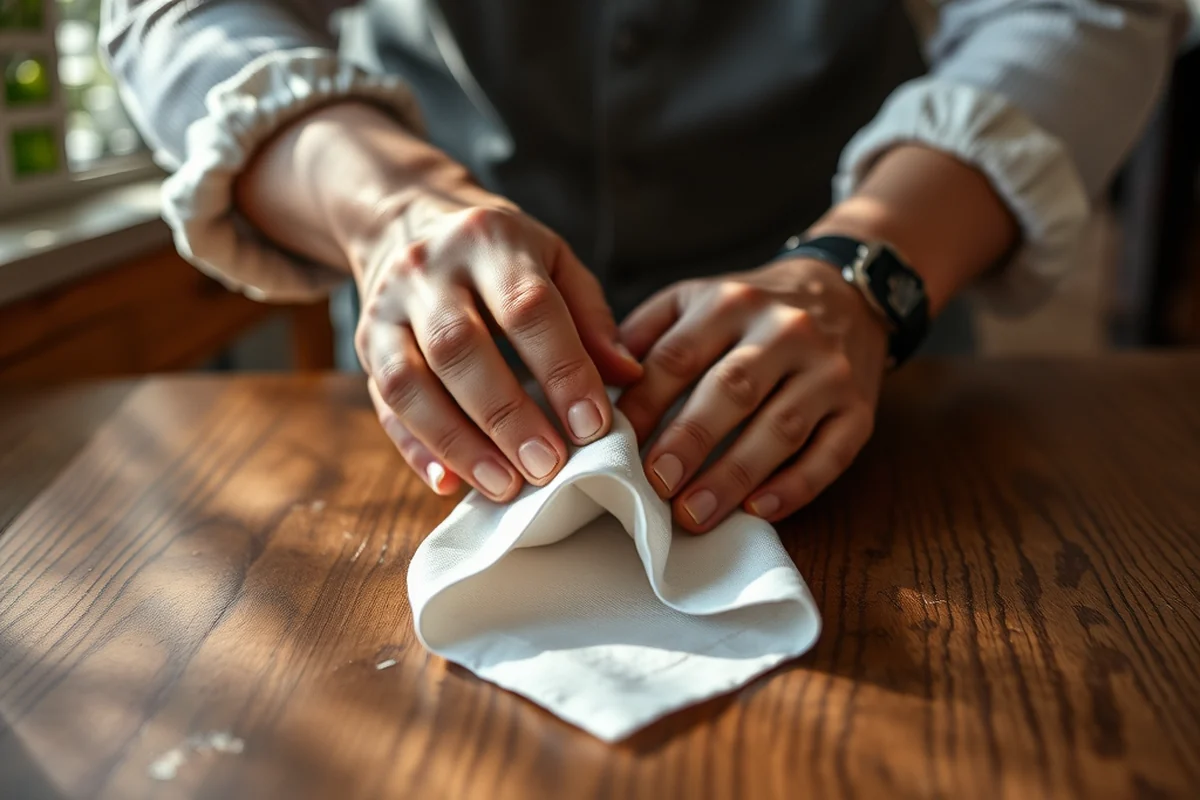
I’ve noticed that even the simplest folds can make a big difference in the overall look of a table. When I hosted a dinner party, I used a combination of butterfly and fan folds, and the result was stunning. The guests were impressed by the attention to detail, and it made the evening feel more special.
Beyond aesthetics, table napkin folding also has practical benefits. A well-folded napkin keeps the table clean by containing spills and crumbs. I’ve found that this is especially useful during long meals or family gatherings when there’s a lot of activity around the table.
Another benefit is the ability to incorporate your personal style or the theme of the event. For example, I once used rose folds for a romantic dinner and fan folds for a summer barbecue. Each fold reflected the mood of the occasion and added a unique touch.
A well-folded napkin is a small detail that makes a big impression.
Related: Dining table with 4 chairs
Mastering the Basics
The first step in mastering the basics is understanding the fundamental folds. I recommend starting with the butterfly fold, which is simple to learn and can be used for both casual and formal settings. The process involves folding the napkin in half, then bringing the corners together to form a butterfly shape.[2]
Once you’ve mastered the butterfly fold, you can move on to more advanced techniques like the rose fold and the fan fold. Each of these folds requires a different approach, but they all share a common goal: to create a beautiful, functional table setting.
I’ve found that practicing the basic folds repeatedly helps build muscle memory, making the process faster and more intuitive. It’s also important to pay attention to the symmetry and precision of each fold, as these details contribute to the overall elegance of the table setting.
Don’t be discouraged if your first attempts aren’t perfect. With time and practice, your folds will become more refined and elegant.
“I still remember the first time I saw a table napkin folded into a precise, elegant shape at a friend’s dinner party.”— Customizing Dining Chairs editors
Related: Dining table with 4 chairs 2
Choosing the Right Napkins
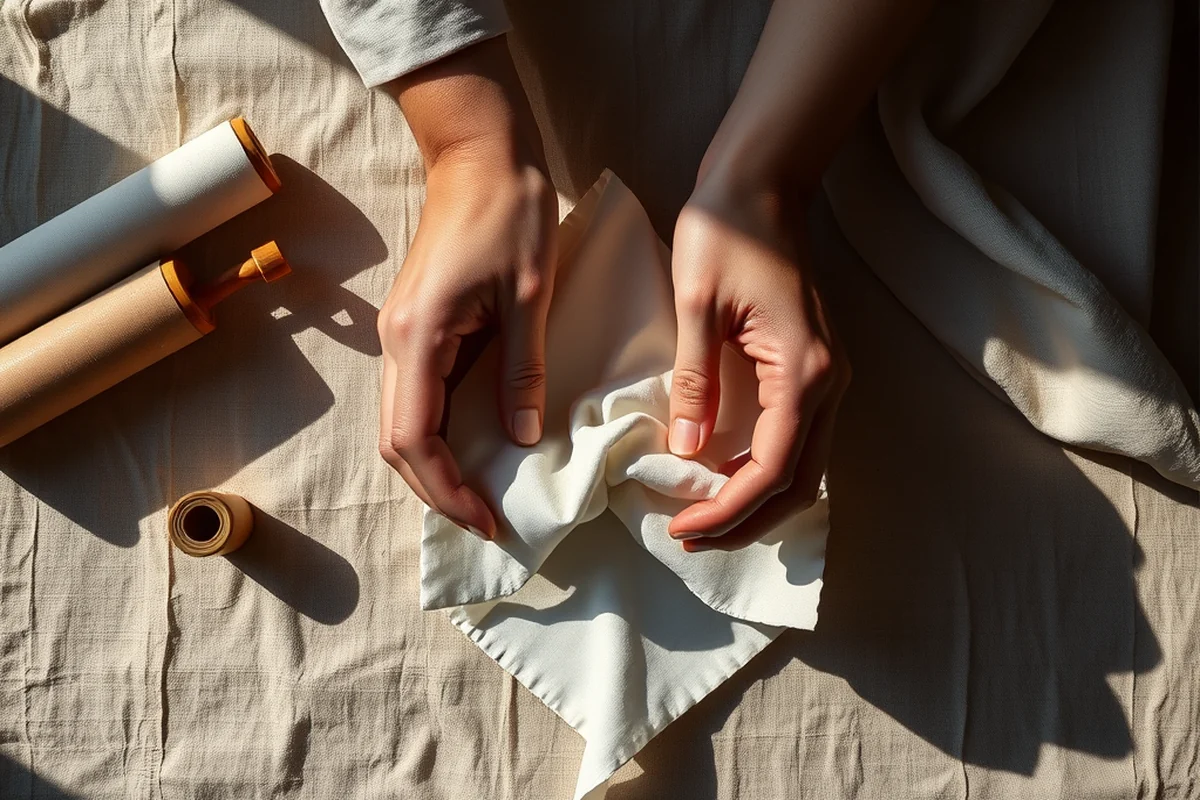
The quality of the napkins you choose can make a significant difference in the outcome of your folding. I’ve found that cotton and linen napkins are the best options because they are durable, easy to fold, and hold their shape well. I once tried using a cheaper polyester blend, but it didn’t hold the folds as well and looked less refined.
Another factor to consider is the size of the napkins. I’ve found that standard-sized napkins work best for most folding techniques, as they provide enough fabric to create intricate folds without being too bulky. If you’re using larger napkins, it can be more challenging to achieve the right proportions.
I always prefer to use solid-colored napkins for a more elegant look, but patterned napkins can add a fun and creative element to your table setting. Just be sure that the pattern doesn’t overpower the folds or create a cluttered appearance.
Related: Wood side table
Common Folds and Their Uses
The butterfly fold is one of the most popular and versatile folds. It’s simple to create and works well for both casual and formal settings. I’ve used the butterfly fold for everything from dinner parties to family meals, and it always looks elegant.
The fan fold is another popular technique that involves folding the napkin into a series of creases, creating a fan-like shape. I’ve found that the fan fold is particularly useful for adding a decorative touch to buffet tables or casual gatherings.
The rose fold is a more complex technique that involves shaping the napkin into a rose-like flower. It’s a bit more challenging to create, but the result is stunning and adds a touch of sophistication to any table setting.
Related: What is a counter height dining set
Tips for Creating a Cohesive Table Setting
One of the most important aspects of creating a cohesive table setting is ensuring that all the elements work together harmoniously. This includes the color scheme, the type of tableware, and the style of the napkin folds. I’ve found that using a consistent color palette helps create a unified look that feels more elegant and intentional.
Another tip is to match the napkin folds with the overall theme of the event. For example, if you’re hosting a rustic-themed dinner, using a rustic fold or a natural fabric napkin can enhance the overall atmosphere. I’ve found that this attention to detail can make a big difference in the overall experience.
I also recommend experimenting with different fold combinations to find what works best for your style and the occasion. Sometimes, mixing a few different folds can create a more dynamic and visually interesting table setting.
A cohesive table setting is the result of thoughtful planning and execution.
Related: Bar table and chairs
Creating a Personalized Touch
One of the most rewarding aspects of table napkin folding is the ability to create a personalized touch that reflects your style or the theme of the event. I’ve used different folds to match the colors of the season or to incorporate meaningful symbols, such as a heart fold for a romantic dinner or a star fold for a patriotic event.
Another way to add a personal touch is by using monogrammed napkins or adding small decorative elements like ribbons or bows. I’ve found that these subtle details can make a big difference in the overall look and feel of the table setting.
I’ve also experimented with using different napkin colors to match the occasion. For example, I once used a set of gold and silver napkins for a holiday dinner, and the result was stunning. The folds added a touch of elegance, and the colors created a festive atmosphere that everyone enjoyed.
💰 Budget Build
Create elegant folds using affordable, everyday materials like cotton napkins and a simple ruler.
⏳ Weekend Version
Spend just a few hours mastering the basics and learn a few folds that you can use for any occasion.
✨ Upgraded Finish
Invest in high-quality linen napkins and add decorative elements like ribbons to take your folds to the next level.
🏠 Small-Space Adaptation
Use smaller napkins and simpler folds to create a cohesive look in tight or compact spaces.
🛡️ Rental-Safe Option
Opt for durable, machine-washable napkins and avoid using any permanent embellishments that may not be allowed in rental properties.
| The mistake | Why it happens | The fix |
|---|---|---|
| Using the wrong type of napkin | Cheap or slippery napkins may not hold their shape and can look less refined. | Choose cotton or linen napkins, which are durable and easy to fold. |
| Rushing the process | Folding too quickly can lead to uneven creases and messy results. | Take your time and practice each fold until you achieve the desired outcome. |
| Ignoring symmetry | Asymmetrical folds can make the table setting look unrefined and unbalanced. | Use a ruler to ensure even creases and focus on creating symmetrical folds. |
| Using the same folds for every event | Repeating the same folds can make the table setting look predictable and uninspired. | Experiment with different folds and styles to keep your table settings fresh and creative. |
| Not practicing enough | Without enough practice, it's easy to make mistakes and achieve less-than-perfect results. | Practice regularly and be patient as you learn and refine your skills. |
What Is Table Napkin Folding
Common Questions
What materials do I need to get started with table napkin folding?
How long does it take to learn the basic folds?
Can I use any type of napkin for table napkin folding?
What are some common mistakes to avoid?
References
- appendix B: text exemplars and sample Performance tasks (edu.wyoming.gov)
- Master the Basics of Table Setting - EHL Insights (insights.ehl.edu)
Cite this guide
Customizing Dining Chairs (2026). What Is Table Napkin Folding. https://chairscape.com/what-is-table-napkin-folding/
Feel free to cite or share this guide.