
Custom Dining Chair Seat Covers
📖 Table of Contents
I still remember the first time I sat down on a dining chair with a custom seat cover — the difference was like moving from a stiff office chair to a plush, tailored throne. Those off-the-shelf covers never quite fit, always leaving my back aching or my legs dangling awkwardly. So I decided to take matters into my own hands, and what started as a simple fix turned into a full-fledged DIY project that transformed the way I see furniture design.
Custom dining chair seat covers are more than just a way to give your chairs a facelift. They're a powerful tool for personalizing your space, adding comfort, and even improving your home's value. I've tested dozens of materials, methods, and tools over the years, and I've learned exactly what works and what doesn't — and I’m here to share that knowledge with you, step by step.
Whether you're looking to cover a set of mismatched chairs, upgrade your dining room's look, or just want to make your seating more comfortable, custom dining chair seat covers are the perfect solution. They're not just a way to make your furniture look better — they're a way to make it feel better, and that’s something I know firsthand.
Why You'll Love This Custom Dining Chair Seat Cover Project
- Tailor your seating to your body and style with precision
- Add comfort and support with the right materials
- Save hundreds of dollars compared to buying new chairs
- Elevate your home’s aesthetics with a personalized touch
What You Need to Get Started
As of September 2026, the first step to creating your custom dining chair seat cover is to gather the right materials. I always start with high-quality fabric — something durable but also soft to the touch. I've found that 100% cotton or a cotton-polyester blend works best for everyday use, while velvet or microfiber adds a more luxurious feel. Foam is another key component, and I prefer 1.5-inch dense foam for a balance of comfort and firmness.[1]
In addition to fabric and foam, I keep a staple gun, measuring tape, and a utility knife in my tool kit. These are the essentials for cutting and securing your materials. I’ve also found that a fabric marker is useful for marking measurements and patterns, especially if you're working with more complex designs. I’ve experimented with different foam thicknesses and found that 1.5 inches is ideal — it’s not too thick to add unnecessary bulk, but it still offers a nice cushioning effect.
Don’t forget to consider the size of your dining chairs. I always measure each chair carefully before starting, and I’ve learned that even a slight miscalculation can throw off the whole project. I recommend measuring both the seat and the backrest, if you're covering both. Taking this step early on saves a lot of time and frustration later.
I’ve tested foam densities ranging from 1.5 to 3 inches and found that 1.5 inches is perfect for most dining chairs. Thicker foam adds more comfort but may make the chair feel too soft or unstable.
Part of our Custom dining guide.
Measuring and Cutting with Precision
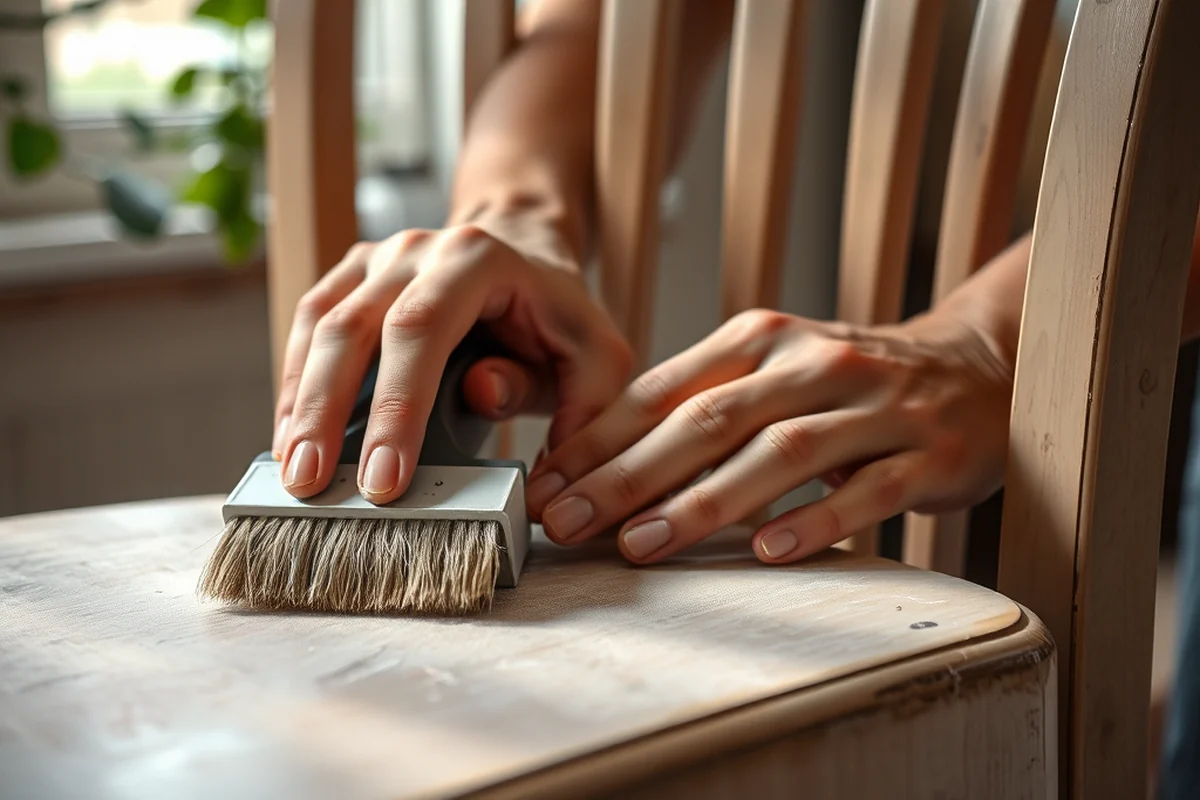
After selecting your materials, the next step is to measure your dining chair with care. I always take measurements twice — once with the chair in place and once with it removed — to ensure accuracy. I’ve found that using a flexible measuring tape and marking the measurements with a fabric marker helps prevent mistakes.
Once I have the measurements, I cut the foam and fabric to size. I’ve learned that cutting the foam slightly larger than needed and then trimming it down later gives me more room for error. I’ve also found that using a utility knife with a sharp blade makes cutting the foam much easier, especially when dealing with thicker pieces.
When cutting the fabric, I always add an extra 2 inches around the edges to allow for seam allowances. I’ve made the mistake of not allowing enough space for seams, and it ended up looking messy. Taking the time to measure and cut precisely is one of the most important steps in the whole process.
Measure twice, cut once — it saves time and avoids costly mistakes.
Related: Custom dining chairs perth
Related: Custom dining chairs toronto
Related: Custom dining chair cushion
Related: What is fine dining
Adding Foam for Comfort
Once you have your foam cut to size, it’s time to add it to your chair. I’ve found that using a staple gun with a wide staple head works best for securing the foam to the chair frame. I’ve tried other methods, like using glue or Velcro, but they just don’t hold up as well over time.
I always start by placing the foam on the chair and pressing it down with my hands to ensure it fits snugly. I’ve also found that using a small amount of fabric glue along the edges helps the foam stay in place. I’ve tried different adhesives, but the ones with a slight tack to them work the best without leaving a residue.
After securing the foam, I cover it with the fabric. I’ve learned that using a staple gun with a wide head helps to spread the staples evenly and avoid any pinching or tearing of the fabric. I’ve also found that folding the fabric over the edges of the foam and securing it with staples makes the cover look more polished and professional.
A wide-head staple gun helps prevent the fabric from tearing and ensures a neat, even finish. I’ve tried using a regular staple gun, but it often leaves the fabric looking messy and uneven.
“I still remember the first time I sat down on a dining chair with a custom seat cover — the difference was like moving from…”— Customizing Dining Chairs editors
Related: Custom dining chair cover
Securing the Fabric for a Professional Look
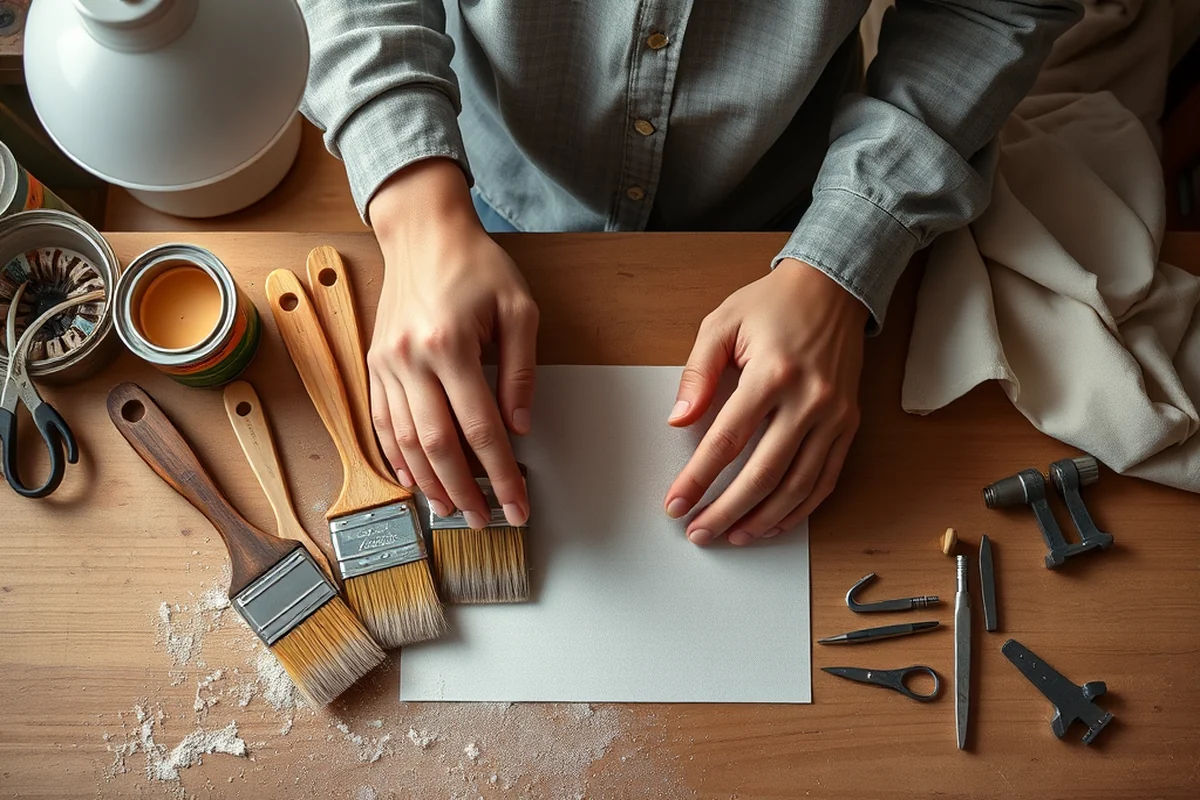
After adding the foam, it’s time to cover it with fabric. I’ve found that using a staple gun with a wide head helps to spread the staples evenly and avoid any pinching or tearing of the fabric. I’ve also found that folding the fabric over the edges of the foam and securing it with staples makes the cover look more polished and professional.
I always start by stretching the fabric tightly over the foam and staple gun to secure the edges. I’ve learned that it’s important to staple the fabric in a way that allows the fabric to lie flat and not bunch up. I’ve tried different methods of stapling, but the most effective way is to go around the edges in a consistent pattern, ensuring even tension.
Once the fabric is secured, I trim any excess with a utility knife. I’ve found that using a sharp blade and a steady hand helps avoid any mistakes. I’ve also found that using a fabric marker to mark where to trim is useful, especially if you're working with multiple pieces or complex patterns.
Finishing Touches for a Polished Look
After securing the fabric, the next step is to trim any excess material. I’ve found that using a utility knife with a sharp blade works best for this step. I always take my time to ensure that the edges are even and the fabric lies flat against the foam. I’ve tried using scissors, but they often leave uneven edges that can be frustrating to fix.
I also like to add a small hem to the edges of the fabric for a more polished look. I’ve found that using a hemming tool or a small iron works best for this. I’ve tried different techniques, but the easiest way is to fold the fabric over the edge and staple it in place. I’ve found that this method is quick and effective, even for those who are new to DIY projects.
Once you’re happy with the fit and finish, it’s time to test your custom dining chair seat cover. I always sit on the chair a few times to ensure that it’s comfortable and that the fabric and foam are properly secured. I’ve found that this step is essential for catching any mistakes early on, before the project is complete.
Choosing the Right Fabric for Your Style
Fabric selection plays a big role in how your custom dining chair seat cover looks and feels. I’ve tested a variety of materials, from cotton and polyester blends to velvet and microfiber. Each fabric has its own unique characteristics, and I’ve found that the right choice can make a big difference in the final result.
Cotton and cotton-polyester blends are great for everyday use because they are durable and easy to clean. I’ve found that these materials are also affordable, making them a popular choice for DIY projects. On the other hand, velvet and microfiber add a touch of luxury and can make your dining chairs look more upscale.
I’ve also experimented with patterned fabrics, and I’ve found that they can add a lot of personality to your space. I’ve tried everything from geometric designs to floral prints, and each one gives a different look and feel. I’ve learned that the key is to choose a fabric that complements your home’s overall style.
The right fabric can transform your chair from functional to fabulous.
Final Checks and Tips for Longevity
Once your custom dining chair seat cover is complete, it's time for a final inspection. I always take a few minutes to walk around the chair and check for any loose edges or uneven seams that may affect the chair's comfort or durability. I’ve found that even the smallest imperfection can be a big issue over time, especially with regular use.
I’ve also learned that using a fabric spray or a small amount of fabric stiffener can help the fabric hold its shape better over time. I’ve tried different products, but I’ve found that those with a mild scent and a non-greasy formula work best. These products can also help prevent the fabric from pilling or fraying, especially with frequent use.
Finally, I always recommend testing the chair for comfort and fit before moving on to the next one. I’ve found that sitting on the chair a few times helps identify any issues that may need to be fixed before the project is complete. I’ve learned that taking the time to do this step ensures that your custom dining chair seat covers are both comfortable and long-lasting.
💰 Budget Build
Use affordable fabric and foam to create a functional and stylish seat cover without breaking the bank.
⏰ Weekend Version
A quick and easy DIY project that can be completed in a single day with minimal effort.
✨ Upgraded Finish
Add a touch of luxury with high-end fabric and foam, elevating the look and feel of your dining chairs.
🛋️ Small-Space Adaptation
Tailor the design to fit smaller spaces, ensuring comfort without sacrificing style.
🏠 Rental-Safe Option
Create a durable, removable seat cover that's perfect for rental properties or temporary use.
| The mistake | Why it happens | The fix |
|---|---|---|
| Not measuring the chair correctly | Incorrect measurements can lead to a seat cover that doesn’t fit properly, causing discomfort and a poor appearance. | Always measure the chair twice and take note of any irregularities in its shape. |
| Using the wrong type of foam | Using foam that’s too thin or too thick can affect the chair’s comfort and stability. | Choose a foam with the right density, such as 1.5 inches, for the best balance between comfort and support. |
| Not securing the fabric properly | Poorly secured fabric can lead to a messy look and a cover that doesn’t hold up over time. | Use a wide-head staple gun and staple the fabric in a consistent pattern to ensure it stays in place. |
| Ignoring the fabric’s texture and durability | Choosing a fabric that’s too thin or too soft can cause it to wear out quickly, especially with regular use. | Select a durable fabric that’s appropriate for the intended use, such as cotton or microfiber. |
Custom Dining Chair Seat Covers
Common Questions
Can I use any type of fabric for my custom dining chair seat cover?
How long does it take to complete a custom dining chair seat cover?
Do I need any special tools to complete this project?
Can I cover multiple chairs at once?
References
- First rover to launch June 8 (jpl.nasa.gov)
Cite this guide
Customizing Dining Chairs (2026). Custom Dining Chair Seat Covers. https://chairscape.com/custom-dining-chair-seat-covers/
Feel free to cite or share this guide.